


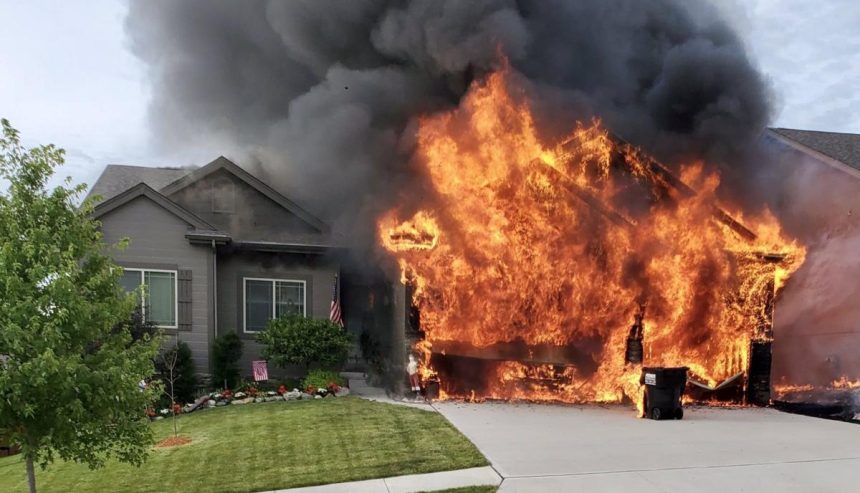
For many homeowners in Stonecrest, Georgia, the garage serves as a multi-purpose hub: a parking space, a workshop, a storage room for lawn equipment, and increasingly, an electrical charging station for electric vehicles (EVs) and lawn tools.
However, these combined uses create a unique mix of high-energy loads and flammable hazards that make the garage one of the highest-risk areas in any residential property.
National fire statistics consistently show that garage fires tend to spread farther and cause more financial damage than fires starting in other rooms. Because garages are usually unoccupied, fires can burn undetected for critical minutes, building intense heat before triggering living-area smoke detectors. By the time flames breach the garage barrier, they threaten structural framing and living space above or adjacent to the garage.
With updated residential electrical demands in 2026, keeping your Stonecrest home safe requires modern garage fire safety practices. Below is a comprehensive guide to identifying garage fire hazards, implementing modern protection standards, and knowing how professional fire damage restoration in Stonecrest, GA helps homeowners recover if an emergency occurs.
1. Modern Fire Hazards in the 2026 Home Garage
While traditional garage fire hazards like gasoline cans and oily rags remain major risks, modern home technology introduces new ignition sources that require updated vigilance:
Electric Vehicle (EV) Chargers & High-Voltage Equipment
With Level 2 EV chargers becoming standard in modern Stonecrest garages, electrical circuits operate under continuous heavy loads for hours. Overloaded electrical panels, undersized wiring, or improper DIY charger installation can cause thermal degradation, loose electrical connections, and electrical fires.
Lithium-Ion Battery Storage & Charging Stations
Power tools, e-bikes, lawnmowers, and golf carts rely heavily on rechargeable lithium-ion batteries. Physical damage, manufacturing defects, or using uncertified third-party chargers can trigger thermal runaway—a rapid, uncontrollable temperature spike that results in intense chemical fires and toxic gas releases.
Combustible Chemical Storage & Flammable Liquids
Gasoline, propane tanks, paint thinners, motor oil, and aerosol cans are routinely stored in residential garages. When stored near electrical sparks, water heaters, or direct heat sources, vapor leaks can ignite rapidly.
2. Essential Garage Fire Safety Upgrades for Stonecrest Homes
Protecting your property against garage fires requires a combination of smart technology, proper structural containment, and safe storage habits:
- 1. Interlinked Heat Detectors: Standard smoke detectors can trigger false alarms due to garage dust, exhaust fumes, and temperature swings. Install rate-of-rise heat detectors designed specifically for garage environments, and ensure they are wirelessly interlinked so that an alarm in the garage instantly triggers all indoor smoke detectors.
- 2. Fire-Rated Walls and Self-Closing Doors: Verify that the wall and ceiling separating the attached garage from living spaces feature an intact 5/8-inch Type X fire-rated drywall barrier. Ensure the entry door to the house is a solid wood or fire-rated metal door equipped with an automatic self-closing mechanism.
- 3. UL-Listed Flammable Storage Containers: Store gasoline, kerosene, and solvents in UL-listed metal safety cans equipped with flame arresters. Keep all chemicals in a dedicated, ventilated cabinet away from water heaters, furnace pilot lights, or electrical outlets.
- 4. Dedicated ABC Fire Extinguisher: Keep a heavy-duty ABC-rated fire extinguisher mounted near the garage exit door where it is quickly accessible during an emergency.
- 5. Smart Electrical & Power Management: Never use lightweight household extension cords for heavy machinery, space heaters, or EV charging. Use dedicated, properly fused circuits installed by licensed electrical contractors.
3. Lithium-Ion Battery & EV Charging Best Practices
To safely enjoy modern electric technology without increasing fire risk, follow these charging guidelines:
- Avoid Combustible Surfaces: Charge lithium-ion batteries on hard, non-combustible surfaces like concrete floors rather than wooden workbenches or cardboard boxes.
- Prevent Overcharging: Disconnect battery chargers once batteries reach full charge. Avoid overnight charging of e-bike or power tool batteries when household members are sleeping.
- Inspect Damaged Cells: Never charge batteries that show signs of swelling, leaking, unusual heat generation, or physical impact damage. Dispose of damaged batteries at designated DeKalb County hazardous waste collection sites.
- Professional EV Installation: Ensure Level 2 EV charging hardware is professionally hardwired or plugged into a dedicated NEMA receptacle with adequate thermal monitoring.
4. What to Do If a Garage Fire Occurs
Speed and safety are paramount if a fire breaks out in your garage:
- Prioritize Immediate Evacuation: Get all occupants out of the home immediately. Do not attempt to re-enter the garage to save vehicles or personal belongings.
- Keep the Fire-Rated Door Closed: As you leave, ensure the door between the garage and the main house remains tightly closed to slow smoke, soot, and flame penetration into living areas.
- Call Emergency Services: Dial 911 from a safe location outside the property to dispatch DeKalb County Fire Rescue immediately.
- Call Restoration Professionals: Once the fire is extinguished and emergency services clear the property, contact certified fire damage restoration experts to assess structural integrity and secure the building.
5. Professional Fire & Smoke Restoration in Stonecrest, GA
Recovering from a garage fire involves addressing far more than visible charred wood. Smoke, corrosive soot, and water used during firefighting cause ongoing structural damage if not remediated immediately.
Comprehensive Smoke & Soot Removal
Garage fires generate heavy, oily soot from burning plastics, rubber tires, and synthetic materials. Professional technicians use specialized air scrubbers, HEPA filtration, and chemical sponges to safely neutralize toxic soot residues from walls, framing, and attic trusses.
Structural Deodorization & Thermal Fogging
Smoke odors penetrate deep into porous building materials. Advanced deodorization techniques, such as thermal fogging and hydroxyl generators, break down odor molecules at a microscopic level rather than temporarily masking them.
Water Extraction & Structural Drying
Firefighting efforts often leave hundreds of gallons of water standing in garages and adjacent rooms. Restoration crews deploy commercial water extractors and high-capacity dehumidifiers to prevent mold growth and structural decay.
Conclusion: Proactive Safety Keeps Your Stonecrest Home Protected
By combining modern garage fire safety upgrades with diligent chemical and electrical management, Stonecrest homeowners can significantly reduce the risk of catastrophic property loss in 2026.
If your home experiences a fire, smoke, or water emergency, PuroClean of Stonecrest is available 24/7 to provide rapid, compassionate, and professional restoration services to restore your property quickly and safely.
NEED EMERGENCY FIRE OR SMOKE DAMAGE RESTORATION?
Has your home or garage suffered fire, smoke, or soot damage? Fast action is essential to prevent permanent structural loss and toxic odor absorption.
Contact PuroClean of Stonecrest today at (470) 322-3300 or visit our website for immediate 24/7 emergency response. Our certified technicians specialize in complete fire damage cleanup, soot removal, deodorization, and structural repair.
PuroClean of Stonecrest – The Paramedics of Property Damage® | Available 24/7 for Fire, Smoke & Water Emergencies