


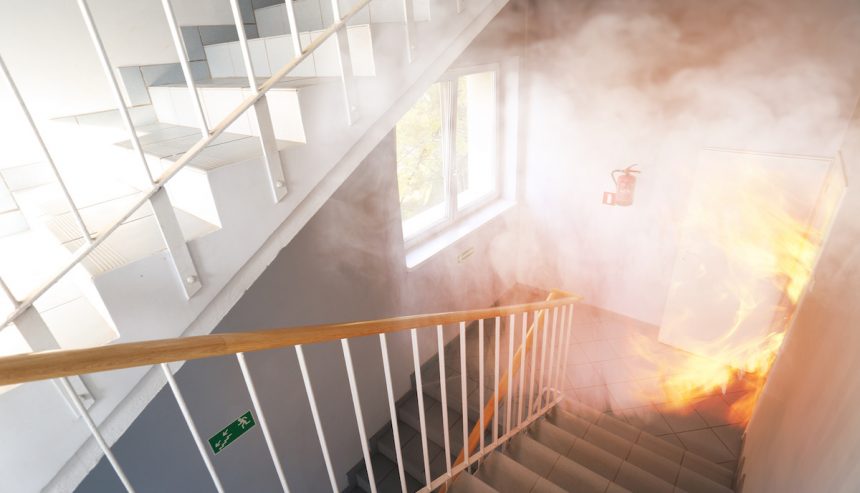
When a structure fire breaks out, panic and toxic smoke can quickly obscure familiar surroundings. Modern building materials, synthetic furnishings, and open floor plans mean residential fires burn faster and hotter than ever before.
According to the National Fire Protection Association (NFPA), families often have under two minutes to exit a burning building safely once a smoke alarm sounds.
For families in Stonecrest, Georgia, having a clear, well-practiced fire escape plan makes all the difference between organized safety and dangerous confusion. Emergency plans turn reactive fear into immediate, instinctual action for children, seniors, and pets alike.
Below is a step-by-step guide to mapping, practicing, and maintaining a customized household fire escape plan for your Stonecrest home, along with guidance on recovering safely if fire or smoke damages your property.
1. Step-by-Step: Designing Your Household Fire Escape Map
A successful escape plan starts with a visual map of your home layout. Grab a piece of paper and involve the whole family in drafting your escape layout:
Identify Two Exits Out of Every Room
Inspect every bedroom, living area, and basement. Mark two clear exit paths out of each space: a primary exit (typically a door) and a secondary exit (such as a window or patio slider) in case the primary route is blocked by fire or dense smoke.
Ensure Windows and Doors Open Easily
Test every exit window and door to ensure they are not painted shut, jammed, or blocked by furniture. If security bars or window grates are installed on lower levels, verify that they feature quick-release mechanisms that can be operated from the inside without keys.
Plan for Upper Levels with Escape Ladders
For two-story homes in Stonecrest, store collapsible escape ladders near second-floor sleeping areas. Ensure adults and older children know how to deploy and secure them quickly to window sills.
2. Establishing a Designated Outdoor Meeting Location
Once everyone escapes the structure, having a designated meeting spot ensures all family members are accounted for quickly before emergency crews arrive.
- 1. Select a Fixed Front-Yard Landmark: Choose a stationary, easily recognizable landmark located a safe distance at the front of your property, such as a specific mailbox, neighborhood light pole, or prominent tree.
- 2. Avoid Dangerous Zones: Do not choose locations in backyards, driveways, or attached garages where responding DeKalb County Fire Rescue vehicles or spreading flames might cause secondary hazards.
- 3. Designate an Emergency Caller: Assign one designated adult or older teen to dial 911 immediately upon reaching the outdoor meeting spot. Never delay escaping to search for a phone inside.
- 4. Strict “Never Go Back” Rule: Emphasize to children and family members that under no circumstances should anyone re-enter a burning building for toys, valuables, or pets once outside.

3. Accommodating Special Needs: Children, Seniors, and Pets
An effective emergency plan accounts for every member of your household, especially those who require assistance during an evacuation:
Assigned Evacuation Helpers
Assign a specific adult or capable teenager to assist young children, elderly relatives, or individuals with mobility challenges. Always designate a backup helper in case the primary assistant is away or separated.
Child Safety and Smoke Awareness
Teach children what smoke alarms sound like and practice crawling low under smoke where air is cleaner and cooler. Ensure young kids know not to hide under beds or in closets during a fire emergency.
Pet Evacuation Prep
Keep pet leashes, carriers, and emergency supplies stored near exterior doors. Place pet alert window decals near front entrances to notify firefighters of the number and types of pets inside if you are away when a fire starts.
4. Practicing Fire Drills: Turning Plans into Muscle Memory
A plan on paper is useless if family members panic under stress. Regular practice builds confidence and muscle memory:
- Twice-Yearly Drills: Conduct home fire drills at least twice per year—once during the day and once at night while family members are sleeping.
- Simulate Real Conditions: Press the test button on your smoke detector to initiate the drill so everyone recognizes the alarm tone.
- Practice Low-Light Escapes: Practice exiting with eyes closed or under low light to simulate thick smoke, practicing the “crawl low and go” technique.
- Time the Evacuation: Time your drill from the moment the alarm sounds until every family member reaches the outdoor meeting spot. Aim for an escape time under two minutes.
5. Smoke Detector & Alarm Maintenance Essentials
Early detection provides the crucial seconds needed to execute your escape plan successfully:
- Comprehensive Coverage: Install smoke detectors inside every bedroom, outside sleeping areas, and on every level of your home, including basements.
- Interconnected Systems: Use interconnected smoke alarms so that when one sensor detects smoke, every alarm throughout the entire house sounds simultaneously.
- Regular Maintenance: Test alarm sounders monthly, replace batteries at least once per year, and replace entire smoke detector units every 10 years.
6. What Happens After the Escape: Fire Damage Restoration
Once everyone is safe and emergency services have extinguished the fire, property owners face the challenging process of structural recovery and fire restoration.
Immediate Property Board-Up & Security
Firefighting efforts and thermal structural destruction leave doors, windows, and roofs exposed. Professional restoration teams arrive quickly to board up openings and tarp roofs to protect your property from weather damage and unauthorized entry.
Soot, Smoke, and Water Remediation
Extinguishing a home fire introduces heavy water volume alongside acidic soot and toxic smoke residues. Certified restoration specialists utilize industrial water extractors, HEPA air scrubbers, and specialized soot-cleaning solutions to prevent secondary mold growth and structural breakdown.
Conclusion: Safety Begins with Preparation
Creating and practicing a household fire escape plan is one of the simplest, most effective steps you can take to protect your family in Stonecrest. By identifying clear exit routes, designating a meeting spot, and maintaining working smoke alarms, you give your family the tools to react swiftly and safely during an emergency.
If your home experiences a fire, smoke, or water emergency, PuroClean of Stonecrest is available 24/7 to support your recovery with fast, professional fire restoration services.
EXPERT FIRE & SMOKE DAMAGE RESTORATION IN STONECREST
Has your home suffered fire or smoke damage? Contact PuroClean of Stonecrest for 24/7 emergency restoration support.
Call (470) 322-3300 or visit our website to speak with certified fire damage restoration specialists. We provide rapid emergency board-up, soot cleanup, water extraction, and full property restoration.
PuroClean of Stonecrest – The Paramedics of Property Damage® | Available 24/7