
Managing rental homes or commercial property portfolios in Stonecrest, Georgia requires balancing tenant relations, asset preservation, and local housing regulations.
When a tenant submits an official complaint regarding visible mold growth or persistent musty odors, property managers must respond with speed, clarity, and professionalism. Unresolved moisture issues can escalate rapidly into structural damage, lease disputes, or health concerns.
Because DeKalb County experiences high ambient humidity and frequent severe summer storms, moisture intrusion in rental properties is a recurring operational challenge. Establishing clear response protocols, understanding legal repair obligations under Georgia landlord tenant law, and partnering with certified restoration professionals ensures your rental properties stay safe, compliant, and profitable.
Georgia Landlord Tenant Law and Habitability Obligations
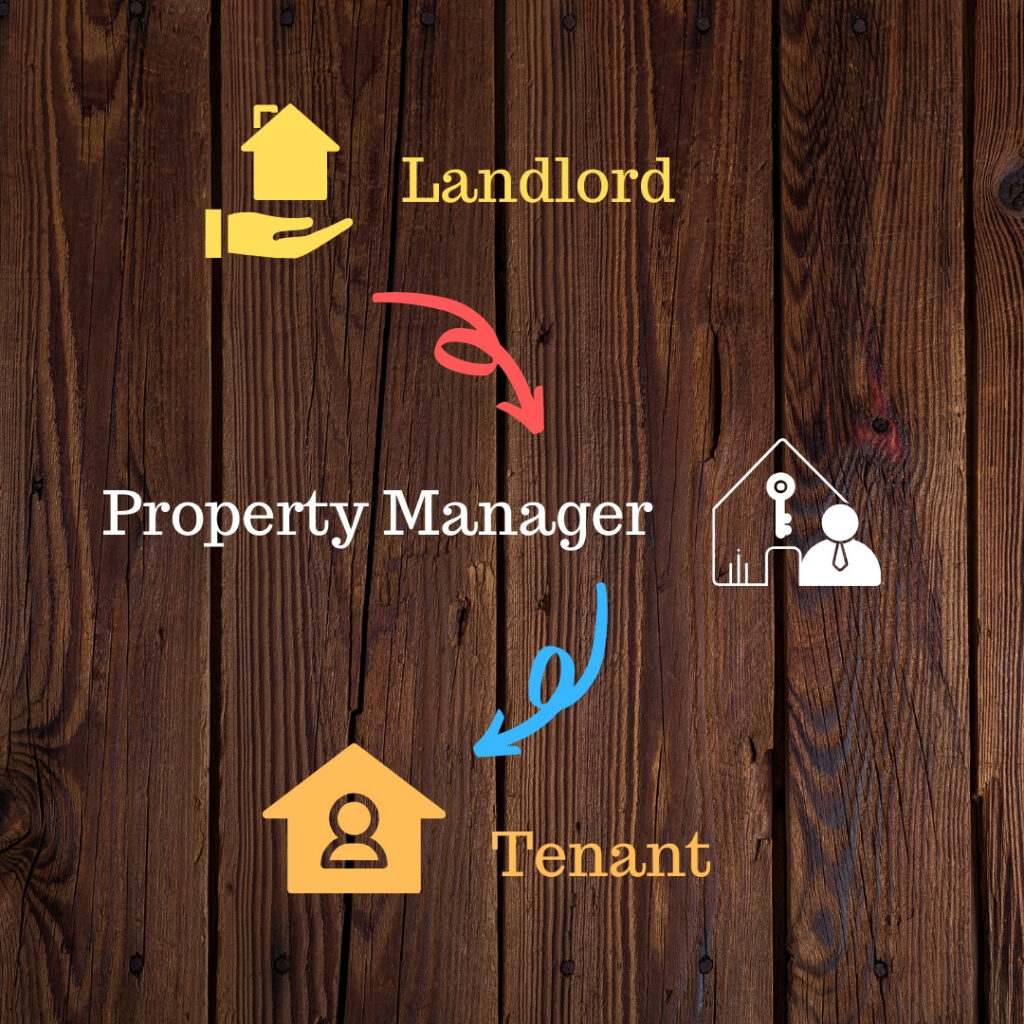
While federal laws do not specify allowable indoor mold spore limits, Georgia landlord tenant legal codes establish clear requirements regarding structural maintenance and habitability standards. Landlords in Stonecrest have a legal obligation to keep property building envelopes, roofs, foundation walls, plumbing systems, and structural elements in good repair.
Under Georgia legal frameworks, landlords must repair structural defects or plumbing leaks within a reasonable timeframe after receiving written notice from the tenant. Failing to address water intrusion that leads to widespread fungal contamination can violate local housing codes, potentially enabling tenants to exercise legal remedies such as lease termination or escrow reporting. Taking proactive measures prevents small maintenance tickets from turning into major legal liabilities.
Step-by-Step Protocol for Handling Tenant Mold Complaints
Having a standardized procedure for property management teams helps maintain clear communication and documents every action taken:
1. Acknowledge the Complaint Promptly in Writing
Respond to written or verbal tenant mold reports within 24 to 48 hours. Provide a formal written acknowledgment confirming receipt and outlining the scheduled property inspection timeline.
2. Conduct an Immediate Moisture and Visual Inspection
Schedule an onsite walk-through with maintenance staff or a certified inspector. Focus on checking active plumbing fixtures, water heater closets, kitchen sinks, window seals, and HVAC unit drip pans.
3. Document Findings Thoroughly
Take high-resolution photos and detailed written notes documenting all visible discolored areas, structural conditions, ambient relative humidity readings, and moisture meter levels.
4. Identify the Moisture Root Cause
Distinguish between structural moisture issues like roof leaks, pipe bursts, or foundation seepage and tenant lifestyle factors such as unvented bathroom usage or blocked HVAC returns.
5. Hire Certified Remediation Professionals
If fungal growth covers an area larger than ten square feet or stems from contaminated water intrusion, hire certified restoration specialists to perform professional containment and cleanup.
Determining Responsibility: Structural Maintenance vs. Tenant Habits
Determining whether a mold issue stems from landlord structural failures or tenant lifestyle habits is vital for fair lease enforcement and cost management:
Landlord Maintenance Responsibilities
Landlords and property owners are responsible for repairing all building infrastructure defects, including leaking roofs, cracked window frames, broken exhaust fans, bursting plumbing pipes, failing water heaters, and unsealed foundation walls. Any mold arising from these structural deficiencies must be remediated at the owner’s expense.
Tenant Operational Responsibilities
Tenants are responsible for keeping the leased premises in a reasonably clean and dry state. Issues caused by tenant neglect, such as failing to run bathroom exhaust fans, turning off air conditioning during humid summer months, blocking air vents, or failing to report plumbing leaks promptly, can fall under tenant lease violations.
Best Practices for Communication and Documentation
Clear documentation protects property managers against liability claims and keeps tenants informed throughout the restoration process:
- Maintain a Digital Paper Trail: Keep all tenant emails, text messages, work orders, inspection logs, and contractor invoices organized in your property management software for complete transparency.
- Provide Clear Progress Updates: Inform tenants of scheduled contractor arrival times, required access areas, and estimated work completion timelines to maintain trust.
- Distribute Tenant Care Guides: Provide new residents with an educational flyer explaining how to run bath fans, maintain healthy humidity, and report minor drips immediately.
The Professional Restoration Process for Rental Properties
Partnering with certified remediation specialists like PuroClean ensures that rental properties undergo thorough, industry-compliant restoration that protects tenant health and building integrity:
1. Infrared Moisture Mapping and Assessment
Certified technicians utilize infrared thermal imaging cameras and digital moisture equipment to locate hidden water pockets inside wall assemblies without causing unnecessary demolition.
2. Containment and HEPA Negative Air Filtration
Technicians set up heavy plastic physical barriers and negative air pressure systems to prevent fungal spores from spreading into unaffected unit rooms or adjacent tenant spaces.
3. Safe Material Removal and HEPA Cleaning
Porous drywall, carpet padding, or wood elements damaged beyond repair are safely cut out and removed, followed by detailed HEPA vacuuming and EPA-registered antimicrobial application.
4. Deep Structural Drying and Dehumidification
Industrial air movers and high-capacity dehumidifiers reduce structural moisture content below 12 percent wood moisture equivalent, preventing recurrence.
5. Final Post-Remediation Verification Documentation
Upon project completion, landlords receive complete clearance documentation and work logs confirming that the property air quality is fully restored.
Preventative Maintenance Strategies for Stonecrest Rental Properties
Implementing preventative maintenance routines between tenant leases reduces the risk of future complaints:
- Schedule Biannual HVAC Inspections: Clean condensate drain lines, replace air filters quarterly, and inspect cooling coils before summer humidity spikes.
- Upgrade Bath Fan Ventilation: Install timer switches or humidity-sensing exhaust fans in rental bathrooms to ensure adequate moisture removal after showers.
- Inspect Plumbing Lines Between Leases: Replace flexible plastic washing machine and supply line hoses with braided stainless steel lines that resist bursting.
- Ensure Positive Perimeter Drainage: Clean gutters twice annually and keep ground grading sloped away from foundation walls to prevent basement and crawlspace moisture.
Partner with PuroClean for Rapid Rental Property Remediation in Stonecrest, GA
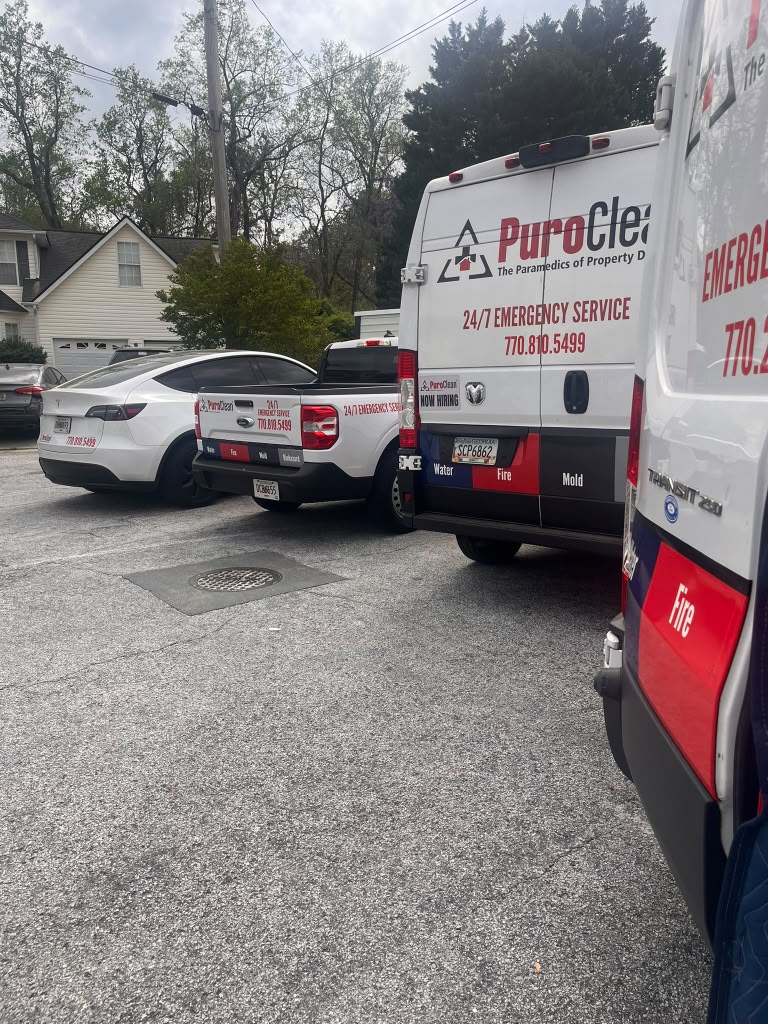
When tenant mold complaints arise, fast and professional resolution protects your building assets, maintains positive tenant relationships, and keeps your rental operations compliant. PuroClean provides priority commercial and residential restoration services across Stonecrest and DeKalb County.
| PuroClean: Commercial & Residential Restoration Specialists |
| 24/7 Priority Property Manager Response: (770) 290-3200 |
| IICRC Certified Technicians | Legal Habitability Compliance | Thermal Moisture Mapping | Serving Stonecrest & DeKalb County |