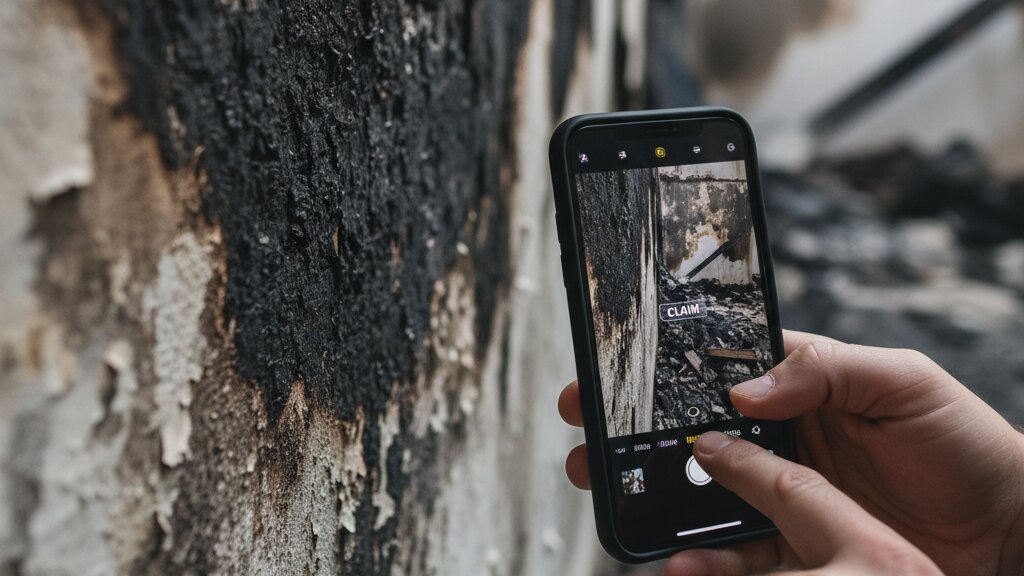
Extinguishing a fire in your Stonecrest home brings an immediate sense of relief, but for most property owners, the most challenging journey begins after the fire department leaves. Securing your property, managing immediate housing needs, and initiating a fire insurance claim quickly becomes a daunting process. In 2026, the insurance industry landscape has shifted significantly due to rising claims costs, automated software auditing, and revised underwriting standards across Georgia.
When you file a property loss claim, your insurance provider assigns a desk adjuster or an independent field adjuster to evaluate the damage. While adjusters may appear supportive, their core objective is defined by carrier protocols: protecting the insurance company’s bottom line by keeping claim payouts within strict financial parameters. Understanding the internal mechanics of fire claims, knowing your rights under Georgia insurance law, and working with certified restoration experts ensures you receive the full settlement required to restore your home to pre-loss condition.
This comprehensive guide breaks down what insurance adjusters rarely volunteer during fire claim investigations in Stonecrest, covering hidden structural damage, content valuation tactics, policy clauses, building code endorsements, and how to protect your financial interests from day one.
Read Also: Fire Insurance Claim Process in Texas: What to Know About Your Rights

1. The Dual Role of the Insurance Adjuster
One of the most common misconceptions among Stonecrest policyholders is assuming that the company adjuster acts as an independent advocate for the homeowner. Understanding who the adjuster works for is essential to managing your claim effectively:
Company Adjusters vs. Independent Adjusters
A staff adjuster is a direct employee of your insurance company. An independent adjuster is a third-party contractor hired by the carrier during high-volume periods or regional catastrophes. Both report directly to the insurer and operate under carrier guidelines. Neither is legally obligated to uncover hidden structural damage that increases the carrier’s financial liability.
The Missing Advice on Independent Representation
Adjusters rarely inform you that you have the right to hire independent experts. Certified restoration contractors, structural engineers, and licensed public adjusters can evaluate the property on your behalf, ensuring hidden damage is documented accurately before settlement offers are finalized.
2. Hidden Fire and Smoke Damage Adjusters Often Overlook
Visible charred framing is easy to identify, but the most expensive fire damage is often invisible to the naked eye. In 2026, quick visual inspections by field adjusters often miss critical sub-surface issues:
Thermal Smoke Migration in Wall Cavities
Superheated air forces acidic smoke into wall cavities, insulation, and ceiling joists far beyond the room where the fire occurred. Over time, trapped soot off-gasses toxic odors and corrodes copper wiring, junction boxes, and metal fasteners inside walls. Standard visual inspections rarely uncover this hidden soot without thermal imaging, air quality sampling, and invasive moisture probing.
Corrosive Chemical Residues from Modern Plastics
Modern homes are filled with synthetic building materials, electronics, and plastic furniture. When burned, these items release highly acidic soot that corrodes metallic surfaces, HVAC coils, copper plumbing, and electrical panel buses within days. If an adjuster delays approving corrosion-inhibitor cleaning, expensive mechanical systems can degrade beyond repair.
Unseen Water Damage from Firefighting Efforts
Water used to extinguish fires accumulates inside wall cavities, crawlspaces, and subfloors. If an adjuster focuses strictly on charred areas while ignoring moisture mapping, trapped water fosters severe mold growth within 24 to 48 hours. A comprehensive claim scope must include structural drying and anti-microbial treatments alongside fire repair.
3. Content Inventory and Depreciation Tactics
Personal property claims (Contents Coverage / Coverage C) are a frequent area where policyholders lose thousands of dollars due to improper inventory preparation and aggressive depreciation schedules:
The Trap of Generic Content Summaries
Adjusters may suggest filling out simplified summary sheets for damaged personal belongings. Listing “toaster” or “leather sofa” allows claims software to default to the cheapest available replacement value. Providing specific details like brand names, model numbers, serial numbers, purchase dates, and dimensions ensures accurate replacement pricing.
Actual Cash Value (ACV) vs. Replacement Cost Value (RCV)
Most homeowners policies pay claims in two phases. First, the insurer issues an Actual Cash Value (ACV) check, which deducts age-based depreciation from damaged items. Once you purchase replacement items and submit receipts, the carrier disburses the remaining Replacement Cost Value (RCV) holdback. Adjusters rarely explain how to submit these receipts correctly to collect your full withheld depreciation.
Deodorization vs. Structural Replacement
Insurers often push to dry-clean or deodorize heavily smoke-damaged soft goods like mattresses, curtains, and upholstered furniture. However, porous items exposed to dense protein smoke often retain embedded toxins and allergens despite cleaning. You have the right to challenge inadequate cleaning attempts if items still carry noticeable smoke odor.
4. Building Code Upgrades and Ordinance Coverage
Rebuilding a fire-damaged home in Stonecrest requires compliance with updated DeKalb County building codes and Georgia safety regulations. This is a crucial policy area where adjusters often remain silent:
The Law and Ordinance Clause (Coverage Option)
Standard property policies cover restoring a structure to its original condition. However, current building codes may require installing arc-fault circuit interrupters (AFCI), upgraded insulation, fire-rated drywall, or modern plumbing lines that did not exist when your home was built. Ordinance or Law coverage pays for these mandated code upgrades during reconstruction.
How Omitted Code Upgrades Lead to Out-of-Pocket Expenses
If an adjuster fails to include mandatory municipal code upgrades in your repair scope, local building inspectors in Stonecrest may pause construction or refuse permit sign-offs. Without Ordinance or Law endorsement funds, the financial burden of paying for code compliance falls directly on the homeowner.
5. Understanding Additional Living Expenses (ALE / Coverage D)
If your Stonecrest home is uninhabitable after a fire, your policy provides Additional Living Expenses (ALE) to cover temporary housing, food, and displacement costs:
The Right to Comparable Living Standards
Carriers often direct displaced families toward low-cost extended-stay hotels. Under Georgia insurance standards, your policy covers housing that matches your standard of living, including single-family rental homes of similar size, bedroom counts, amenities, and school district proximity.
Tracking Incremental Displacement Expenses
ALE covers the difference between your normal living costs and your temporary expenses. Keep detailed receipts for restaurant meals, laundromat visits, pet boarding, increased commute mileage, and temporary utility setups, as these costs qualify for direct reimbursement under Coverage D.
6. The Preferred Contractor Network Myth
Insurers frequently encourage policyholders to use their “Preferred Contractor Network” or “Managed Care Programs.” Understanding how these networks operate protects your property investment:
Who Does the Contractor Work For?
Preferred contractors sign agreements with insurance carriers to perform repairs at discounted labor and material rates. While carriers market these programs for convenience, network contractors may face financial pressure from the insurer to limit structural scope and avoid expensive specialized procedures like deep deodorization.
Your Legal Right to Choose Your Contractor
Under Georgia law, policyholders have the absolute right to hire any licensed, certified restoration contractor they trust. You are not required to use the insurance company’s preferred vendor. Choosing an independent, locally based team ensures your contractor advocates exclusively for your home’s complete restoration.
7. Key Steps to Protect Your Claim in Stonecrest
Taking proactive steps early in the claim process prevents delays, scope reductions, and unpaid out-of-pocket expenses:
- 1. Document Everything Before Disposal: Do not clean surfaces, discard damaged furniture, or throw away personal belongings until they are fully cataloged, photographed, and inspected by your restoration team.
- 2. Request Your Policy Documents: Request a complete copy of your insurance policy, including declarations pages, endorsements, and coverage limits. Review your deductible and policy language regarding code upgrades.
- 3. Keep a Detailed Communication Log: Maintain a written log of every phone call, email, site visit, and verbal promise made by insurance adjusters, including names, dates, and exact conversation details.
- 4. Insist on Itemized Estimates: Ensure your chosen contractor provides an itemized estimate using industry-standard pricing software like Xactimate to prevent pricing disputes with carrier auditors.
- 5. Partner with Certified Specialists: Hire a certified fire damage restoration company like PuroClean of Stonecrest immediately to secure the property, perform moisture mapping, and establish a scientific restoration scope.
Conclusion: Partnering for Complete Structural Recovery
Navigating a fire insurance claim in Stonecrest requires patience, detailed documentation, and knowledgeable guidance. While insurance adjusters follow carrier protocols to manage payout costs, working with a dedicated, certified restoration team ensures your property receives the thorough, uncompromising care it needs.
At PuroClean of Stonecrest, we work alongside policyholders to provide comprehensive damage assessments, detailed Xactimate estimates, and direct adjuster coordination, ensuring your home is rebuilt safely, correctly, and completely.
NEED EXPERT FIRE DAMAGE RESTORATION AND CLAIM SUPPORT IN STONECREST?
Recovering from a home fire? Don’t navigate the insurance claim process alone. Let our certified team protect your property and ensure every inch of damage is documented.
Contact PuroClean of Stonecrest today at (470) 322-3300 or visit our website for immediate 24/7 emergency response. We provide 24/7 soot cleanup, structural drying, smoke deodorization, and direct insurance claim coordination.
PuroClean of Stonecrest | The Paramedics of Property Damage | Available 24/7 across DeKalb County