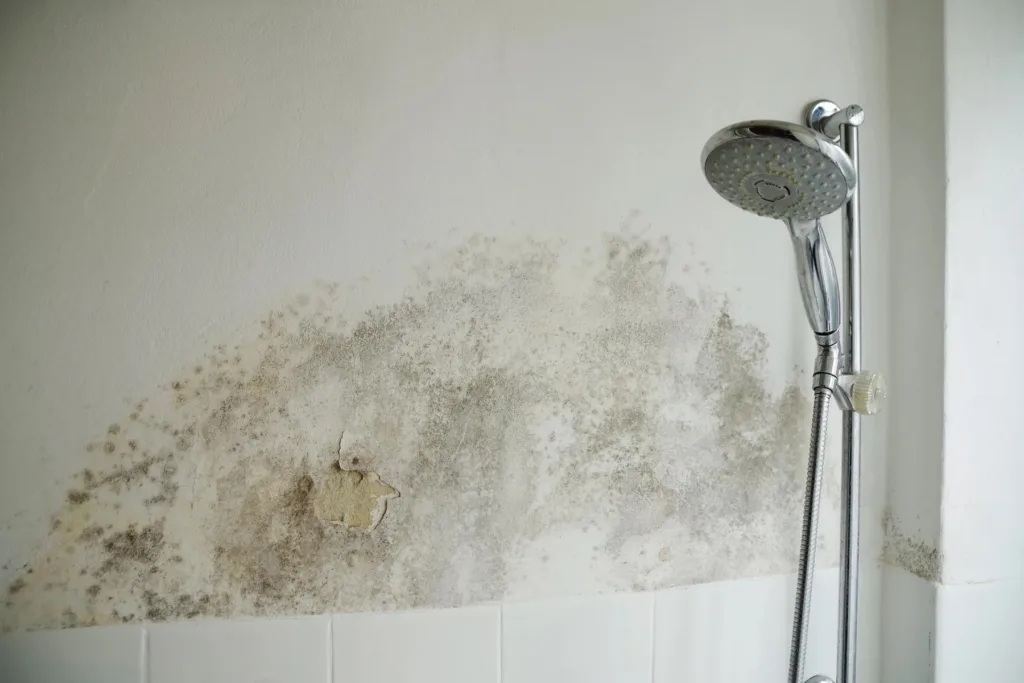
Bathrooms are ground zero for water damage in Chamblee homes. With supply lines, drain pipes, shower pans, toilets, and high indoor humidity concentrated in a single compact room, even a minor hidden leak can gradually rot floor joists, ruin subflooring, and foster dangerous mold colonies.
Because much of a bathroom’s plumbing is concealed behind tile, glass, or drywall, water damage often goes unnoticed for months until soft floors, discolored ceilings, or persistent musty odors reveal the problem. Proactive maintenance and quick restoration are essential to protecting your property value.
Top Causes of Bathroom Water Damage in Chamblee Homes
Failing Shower Enclosures & Failed Shower Pans
Over time, tile grout and silicone caulk crack, allowing water to penetrate wall cavities and collect underneath shower bases.
Toilet Flange & Wax Ring Leaks
A degraded wax ring at the base of a toilet allows dirty water to seep into subflooring every time the toilet is flushed, causing hidden rot.
Aging Supply Line Ruptures
Braided flex lines connecting sinks and toilets degrade over 5–10 years, leading to pinhole leaks or sudden high-pressure bursts.
Excessive Condensation & High Humidity
Inadequate ventilation during showers traps moisture, causing paint blistering, ceiling drywall sagging, and black mold growth on walls.
Practical Prevention Tips for Homeowners
- Inspect Caulk and Grout Annually: Re-seal bathtub surround joints and floor seams as soon as caulk shrinks, discolors, or cracks.
- Replace Plastic Supply Lines: Upgrade plastic toilet and sink flex lines to stainless steel braided supply hoses.
- Install a High-CFM Exhaust Fan: Run your bathroom exhaust fan during showers and for at least 20 minutes afterward to vent humid air outside.
- Check for Spongy Flooring: If the tile around your toilet or bathtub feels soft or springs under weight, inspect for subfloor moisture immediately.
Professional Repair & Structural Restoration Process
When bathroom water damage occurs, superficial cleanup is not enough. PuroClean of Chamblee executes a complete structural drying and restoration plan:
1. Leak Identification & Thermal Inspection
We locate hidden moisture pockets beneath tile, behind vanity cabinets, and inside wall cavities using infrared thermography.
2. Water Extraction & Demolition of Compromised Materials
Unsalvageable materials such as rotted subflooring, swollen drywall, or saturated insulation are safely removed.
3. Structural Drying & Dehumidification
Specialized floor drying mats and high-velocity air movers draw deeply absorbed moisture out of wooden floor joists and framing.
4. Antimicrobial Sanitization & Mold Remediation
All exposed framing and surfaces are treated with EPA-registered disinfectants to eliminate bacteria and prevent fungal growth.
5. Structural Reconstruction
We restore your bathroom to pre-loss condition, replacing subfloors, drywall, tile, and fixtures seamlessly.
Tips to Prevent Bathroom Water Damage
First, regularly check for signs of leaks. Inspect your bathroom floor regularly for signs of water damage. Look for water-damaged bathroom walls like peeling paint, mold, or mildew. Touch the walls to check if any areas are softer than others. These signs indicate that water damage is present in your bathroom. Look for hidden leaks under vanities and ensure there are no leaks from the sink trap.
If any of these problems exist, find the leak source and have it fixed. Taking immediate action to repair the problem is highly recommended. Ignoring water damage will only make the problem worse and lead to more extensive repairs down the road.
Next, repair or replace cracked, broken, or missing tiles, which allow water to seep in behind walls and under floors. Do the same for cracked or decaying grout and caulking around sinks, tubs, and showers. The tiles can be properly cleaned and reinstalled.
If a large number of the tiles are damaged, it may be ideal to consider shower enclosure kits, which are much easier to install and more durable. After the affected tiles have been removed, the next step is to cut out any soft, damaged drywall.
Finally, test valves for your toilets, showers, and sinks regularly to ensure they are properly working and prevent bathroom water damage. Look for wetness or staining around them that could indicate a leak. Ensure that the showerhead and all the faucets are tightly placed and do not drip. You do not want to have water seeping in where it does not belong.

More bathroom water damage prenvetion tips:
- Upgrade your fixtures. Did you know that toilets account for about 40% of your annual water consumption? Also, older showerheads may use twice as much water as newer models. If your fixtures are old, consider upgrading them to save water and avoid future damage.
- If your sink drains slowly, the drain may be clogged. Pour a mixture of vinegar and baking soda down the drain. If it doesn’t work, hire a plumber to check the trap for clogs. Don’t let water collect and sit in the area around the sink, too.
- Only flush toilet paper down the toilet. Items like diapers and sanitary napkins may clog plumbing. Use only septic-safe toilet paper for septic systems.
- Don’t flush”flushable” wipes. Despite their name, flushable wipes do not fall apart when they are wet. In fact, they hold together better than paper towels. Therefore, they don’t disintegrate. They also require the septic tanks to be pumped more often and can block pipes.
- Turn on your exhaust fan every time you use the shower or tub. The fan helps pull excess moisture out of the air, preventing it from entering your walls, which may cause bubbly drywall and mold growth. You can also use a dehumidifier to reduce the bathroom’s humidity levels.
- Always check the bathroom floors for water after taking a shower or using the tub. Wipe down any excess water and fully drain the water from the shower or tub. This helps prevent damage from standing water. You can remove the standing water with towels or a wet vac. The wet vac has the capability of removing large amounts of water. Replace torn shower curtains or shower doors that have damaged seals.
- Minimize children splashing in the tub and wipe up any water that makes it to the floor or walls as soon as possible.
- Place bathmats on the floor to decrease the risk of excess water building up outside your shower.
There’s always a chance that water could cause bathroom water damage, but as long as you take these steps, you can prevent water damage and mold.
How to Repair Bathroom Water Damage
Restoring bathroom water damage involves several crucial steps to ensure thorough repair and prevent future issues. Here’s a comprehensive guide:
Ensure Safety First
Turn off the water supply immediately to prevent further leakage and flooding. If water has come into contact with electrical outlets or fixtures, turn off the electricity to avoid electrocution.
Assess the Damage
Determine where the water is coming from, such as leaking pipes, overflowing toilets, or broken fixtures. Check for visible damage, including soaked walls, floors, and cabinets, and look for signs of mold or mildew.
Remove Standing Water
Use a wet/dry vacuum to quickly remove standing water from floors. Follow up by mopping up any remaining water with towels or mops.
Dry the Area Thoroughly
Open windows and doors to increase airflow, and use fans and dehumidifiers to speed up the drying process. Remove any soaked drywall, insulation, or flooring that cannot be dried thoroughly.
Clean and Disinfect
Wash all affected surfaces with soap and water to remove contaminants. Use a disinfectant to prevent mold growth, paying special attention to hidden areas like under sinks and behind walls.
Repair and Replace
Repair or replace the faulty plumbing or fixture causing the water damage. Install new drywall, insulation, flooring, and other materials that were removed. Use caulk or sealant to close any gaps around fixtures, tiles, and walls to prevent future leaks.
Prevent Future Damage
Install water alarms in the bathroom to alert you to future leaks. Regularly check plumbing fixtures and seals for signs of wear and tear. Ensure your bathroom has adequate ventilation to reduce moisture buildup, including installing exhaust fans if necessary.
Address Mold Issues
Carefully check for mold in hidden areas like behind walls and under flooring. If mold is extensive, consider hiring a professional mold remediation service to ensure safe and thorough removal.
Final Touches
Once repairs are complete, repaint walls and refinish surfaces as needed, using mold-resistant paint for added protection. Double-check all plumbing connections to ensure they are secure and leak-free.
By following these steps, you can effectively restore your bathroom after water damage and prevent future issues. If the damage is extensive or if you are unsure about any step, consider hiring a professional water damage restoration service to ensure the job is done correctly.
| PuroClean of Chamblee: Bathroom Water Damage Experts Call 24/7 Emergency Line: (770) 290-3200 Licensed & Certified | Direct Insurance Billing | Serving Chamblee & Surrounding Areas |