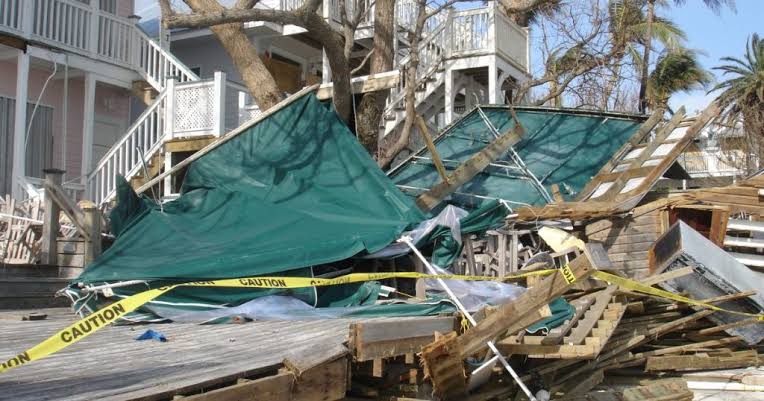
Living in Stonecrest, Chamblee, Lithonia, Decatur, and across DeKalb County offers rich community life and beautiful green canopy cover.
However, severe weather in Metro Atlanta brings intense seasonal hazards. High summer thunderstorms, tropical moisture systems, heavy hail, and severe winter windstorms frequently cause severe property disruption. Falling oak and pine branches, torn roofing shingles, flash flooding, and compromised building envelopes leave residential homes and commercial businesses vulnerable to rapid structural degradation.
When severe weather strikes your property, feeling overwhelmed by the destruction is completely natural. Knowing the exact sequence of the storm damage restoration process empowers property owners to take control, protect their families, prevent secondary water damage, and maximize insurance policy benefits. A structured, professional recovery protocol transforms chaotic emergency situations into manageable, step-by-step restoration milestones.
Time is the single most critical factor following storm intrusion. Rainwater leaking through compromised roofs or shattered windows begins saturating insulation, drywall, and timber framing instantly. Understanding every phase of the restoration lifecycle ensures your property is stabilized rapidly and restored back to pre-loss condition or better.
In addition, understanding local building codes and DeKalb County permitting requirements helps prevent delays during structural reconstruction. Having an experienced emergency restoration partner who understands local building inspections and insurance adjusting procedures provides immense peace of mind during a crisis.

The Step-by-Step Storm Damage Restoration Process
Professional restoration contractors follow a standardized, multi-phase protocol designed to stabilize the building, mitigate hazards, and execute complete structural rebuilds:
Step 1: Emergency Contact and 24/7 Dispatch
The recovery process begins the moment you contact a 24/7 emergency restoration contractor like PuroClean of Stonecrest. Immediate response is essential to secure your building before secondary rain squalls cause further interior flooding or structural collapse. Emergency call centers gather crucial details regarding structural stability, active leaks, utility hazards, and tree impacts to dispatch specialized rapid-response crews equipped with board-up materials, heavy tarps, and extraction pumps.
Step 2: Safety Assessment and Site Hazard Stabilization
Before restoration technicians enter the property, they conduct a rigorous hazard assessment. Severe storms often create hazardous conditions including downed electrical power lines, gas leaks, structurally compromised roof trusses, shattered glass, and flooded subterranean spaces carrying electrical current risks. Technicians coordinate with local utility companies when necessary to secure gas and power lines before clearing safe access pathways into the building.
Step 3: Comprehensive Damage Inspection and Moisture Mapping
Once the site is secured, certified inspectors perform a detailed evaluation of structural and environmental damage. Using thermal imaging infrared cameras and non-invasive moisture meters, technicians map water penetration behind drywalls, beneath hardwood floors, and inside ceiling cavities. Every impacted area is categorized and documented with high-resolution photography to build a comprehensive scope of work for your insurance claim.
Step 4: Emergency Mitigation (Board-Up, Roof Tarping, and Tree Removal)
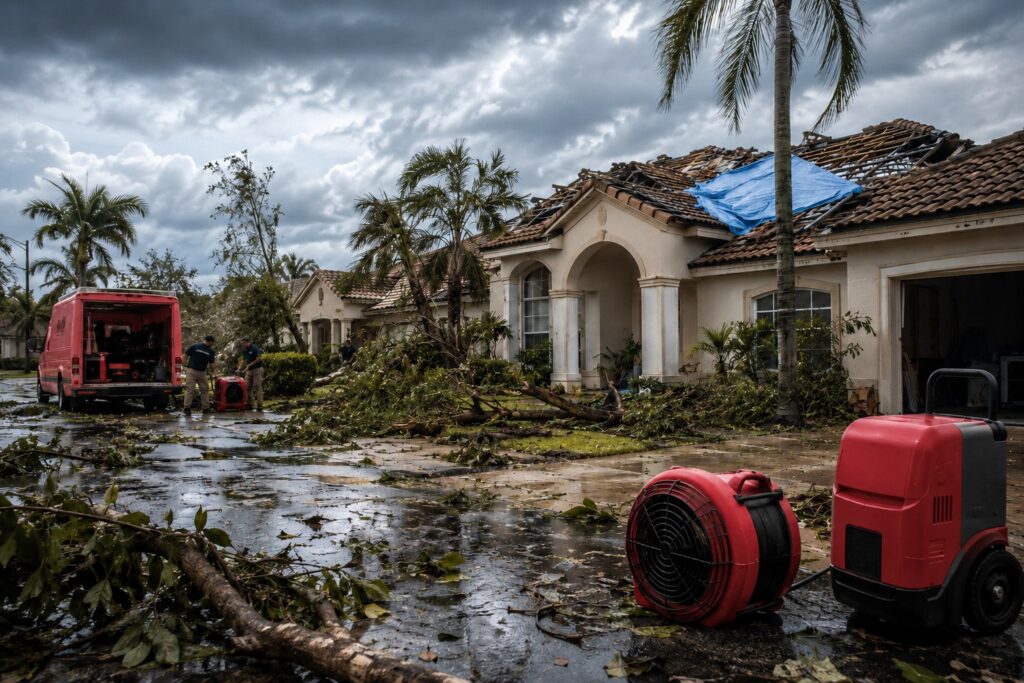
Mitigation prevents additional damage from occurring while permanently restoring the structure. Restoration crews board up broken windows, secure compromised entry doors, install heavy-duty weatherproof tarps over damaged roof decking, and coordinate emergency tree removal off load-bearing walls. Securing the building envelope halts incoming rainwater and prevents vandalism or animal intrusion.
Step 5: Water Extraction and Industrial Structural Drying
Stormwater entering through roofs or foundation walls must be removed immediately. Industrial truck-mounted water extractors remove standing water from carpeting, tile, and concrete slabs. Technicians then deploy heavy-duty LGR (Low-Grain Refrigerant) dehumidifiers and high-velocity air movers to extract bound moisture from wall studs, subfloors, and plaster, preventing secondary mold germination within 24 to 48 hours.
Step 6: Debris Removal, Sanitization, and Decontamination
Saturated, unsalvageable porous building materials like wet drywall, fallen insulation, and ruined carpet padding are carefully cut out and disposed of according to safety guidelines. Because stormwater entering from outdoors contains dirt, organic pathogens, and micro-contaminants, all structural surfaces undergo multi-stage deep cleaning and sanitization with EPA-registered antimicrobial solutions.
Step 7: Complete Structural Reconstruction and Restoration
The final step involves rebuilding your property back to its pre-storm state. Reconstruction ranges from minor cosmetic repairs (drywall patching, interior painting, and trim replacement) to major structural framing, full roof replacements, and electrical rewiring. Working with a full-service restoration contractor ensures a seamless transition from emergency mitigation to complete construction.
Navigating Storm Damage Insurance Claims in Stonecrest
Filing a storm damage insurance claim can feel daunting while dealing with property loss. Following these essential strategies simplifies the insurance process:
Document Everything Before Cleanup Begins
Take clear, detailed photos and video footage of all damaged building areas, fallen trees, ruined furniture, and personal items before anything is moved or discarded.
Partner with Xactimate-Certified Restoration Contractors
Ensure your restoration contractor utilizes Xactimate software, the industry standard pricing platform accepted by all major insurance adjusters. This ensures your estimate lines up directly with carrier allowances.
Maintain Communication Records with Your Adjuster
Keep a dedicated log containing your claim number, insurance adjuster contact details, email correspondence, and receipts for temporary living expenses or emergency mitigation costs.
Common Causes of Severe Storm Damage in DeKalb County
Recognizing local weather threats helps property owners prepare before storms hit:
High-Wind Microbursts and Falling Canopy Trees
Metro Atlanta’s mature tree canopy makes homes susceptible to fallen limbs and whole-tree uprooting during high-wind severe thunderstorm warnings.
Torrential Rain and Flash Surface Flooding
Heavy summer downpours overwhelm residential gutters and municipal storm drains, driving ground water into crawlspaces, basements, and foundation walls.
Hailstorm Shingle Impact and Roof Granule Loss
Large hail strikes fracture asphalt shingles, dislodge protective granules, and crack skylights, opening clear pathways for water leaks during subsequent rain events.
Trust PuroClean of Stonecrest for Complete Storm Recovery
When severe weather impacts your residential home or commercial property in Stonecrest, Lithonia, Decatur, or DeKalb County, trust the Paramedics of Property Damage® at PuroClean of Stonecrest. We provide rapid 24/7 emergency response, roof tarping, water extraction, and full structural reconstruction with direct insurance billing.
| PuroClean of Stonecrest: Storm Damage Restoration Specialists |
| Call 24/7 Emergency Storm Response: (770) 290-3200 |
| Emergency Roof Tarping | Water Extraction | Structural Rebuilds | Direct Insurance Billing | Serving Stonecrest & DeKalb County |