


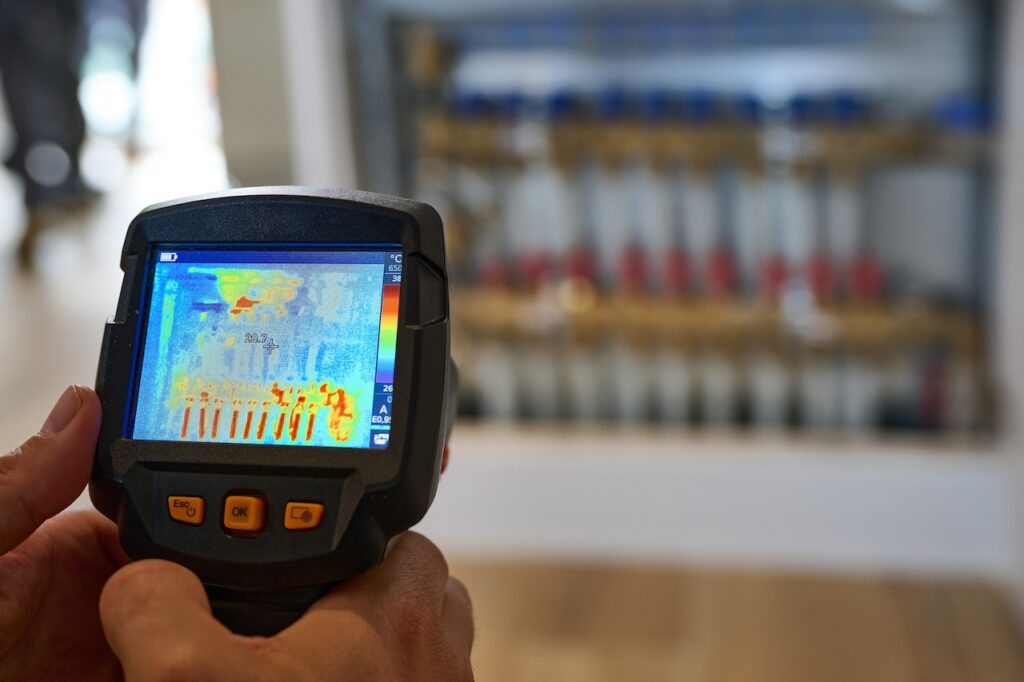
If you live in Stonecrest, Chamblee, Lithonia, Decatur, or anywhere across DeKalb County, you already know the unique intensity of a Georgia summer. Along with soaring temperatures, the region experiences thick, tropical humidity that lingers from late spring through early autumn. While outdoor humidity is a natural part of living in the American Southeast, many property owners do not realize that unmanaged indoor humidity poses a silent, aggressive threat to their home’s structural integrity, property value, and family health.
Environmental health agencies, building scientists, and professional restoration contractors universally recommend keeping indoor relative humidity levels between 30 and 50 percent, and strictly below 50 percent. When indoor relative humidity climbs past this critical threshold, homes transform into ideal microclimates for mold growth, wood decay, pest infestations, and declining indoor air quality. Understanding why the 50 percent rule is essential and implementing practical humidity control safeguards your property year-round.
Managing indoor moisture requires diligence because humidity is entirely invisible until secondary damage appears. In a subtropical climate like Metro Atlanta, air conditioning systems work overtime to condition indoor air, but AC units alone cannot always regulate vapor pressure during heavy rain events or shoulder seasons. Recognizing the physiological and structural triggers of high humidity empowers property owners to take proactive control before expensive repairs become necessary.
Why Georgia’s Climate Makes Indoor Humidity Hard to Control
Metro Atlanta weather patterns and regional architectural styles create constant moisture pressures that challenge residential and commercial building envelopes:
1. High Ambient Dew Points and Subtropical Air Masses
Georgia summers feature high ambient dew points, meaning the air holds massive amounts of invisible water vapor. When warm outdoor air contacts cooler air-conditioned indoor surfaces, condensation forms rapidly on windows, ductwork, and foundation walls.
2. Crawlspace and Basement Stack Effect
Many established homes in DeKalb County are constructed over unconditioned dirt crawlspaces or subterranean basements. Warm, saturated ground moisture naturally evaporates from the soil, rising upward into living spaces through natural thermal stack effect and carrying heavy, damp air throughout the house.
3. Oversized Air Conditioning Units
An oversized air conditioning system cools indoor air too quickly before running long enough to extract moisture from the atmosphere. This leaves homes feeling cold and clammy with high relative humidity, creating localized moisture traps behind furniture and inside closets.
What Happens When Indoor Relative Humidity Exceeds 50%
Allowing indoor humidity to climb past the 50 percent mark sets off a dangerous chain reaction of property degradation and biological proliferation:
Explosive Mold and Mildew Spore Germination
Microscopic mold spores exist everywhere in nature, but they remain dormant in dry air. When relative humidity exceeds 60 percent, spores germinate within 24 to 48 hours, rapidly colonizing drywall, framing, carpet backing, and insulation.
Structural Wood Rot and Framing Damage
Wooden floor joists, subfloors, and wall studs that absorb continuous moisture experience wood-decaying fungal attacks. Sustained wood moisture content above 20 percent causes framing to weaken, sag, and rot, threatening the structural load-bearing strength of your home.
Dust Mites and Indoor Allergen Proliferation
House dust mites thrive in humid environments, absorbing moisture directly from the air rather than drinking water. High humidity causes dust mite populations and indoor allergen concentrations to surge, triggering severe asthma attacks and allergic rhinitis for occupants.
Musty Odors and Fabric Degradation
Excess moisture embeds deeply into carpets, upholstered furniture, clothing, and drywall, creating persistent musty odors. High humidity also causes leather goods, shoes, and paper products to mildew and decay in closets.
Practical Strategies to Keep Your Home Below 50% Relative Humidity
Maintaining healthy indoor humidity requires a combination of daily maintenance habits, proper ventilation, and climate control equipment:
- Invest in Digital Hygrometers: Place inexpensive digital hygrometers in key areas like basements, crawlspaces, kitchens, and second-floor hallways to monitor relative humidity levels accurately in real-time.
- Run Dedicated Whole-Home Dehumidifiers: Relying solely on air conditioning during damp shoulder seasons is insufficient. Installing a whole-home dehumidifier or standalone units in humid zones keeps indoor moisture locked below 50 percent.
- Always Vent High-Moisture Areas Outdoors: Run bathroom exhaust fans during showers and keep them operating for 20 minutes afterward. Ensure kitchen range hoods and dryer vents vent directly outside rather than into attics or crawlspaces.
- Encapsulate Dirt Crawlspaces: Install a complete crawlspace vapor barrier or professional encapsulation system to stop ground moisture from migrating upward into your home’s framing and subfloors.
- Inspect Plumbing and AC Condensate Drains: Check air conditioning condensate lines quarterly to prevent clogs that spill water onto flooring, and repair minor plumbing leaks instantly before moisture evaporates into the air.
How PuroClean Helps You Manage Indoor Moisture and Mold
When high indoor humidity triggers mold growth, musty odors, or structural dampness in your Stonecrest or DeKalb County property, professional help is available. PuroClean provides advanced moisture mapping, industrial dehumidification, and certified mold remediation to restore healthy indoor air quality.
Our certified technicians utilize state-of-the-art psychrometric equipment and infrared thermal imaging to identify hidden humidity traps behind building assemblies. Whether you need crawlspace encapsulation, emergency structural drying, or professional mold removal, our team delivers reliable, comprehensive restoration solutions tailored to Georgia’s challenging climate.
| PuroClean of Stonecrest: Humidity & Mold Remediation Experts |
| Call 24/7 for Moisture & Mold Assistance: (770) 290-3200 |
| Industrial Dehumidification | Mold Remediation | Thermal Moisture Mapping | Serving Stonecrest, Chamblee & DeKalb County |