


For homeowners in Stonecrest, Georgia, peace of mind often hinges on what is visible: a sturdy roof, painted siding, and a well-manicured lawn. However, hundreds of feet of pressurized plumbing lines sit silently out of sight, buried beneath concrete slabs and several feet of native clay soil. When one of these buried pipes develops a rupture, the damage progresses silently under your property long before a single drop enters your living space.
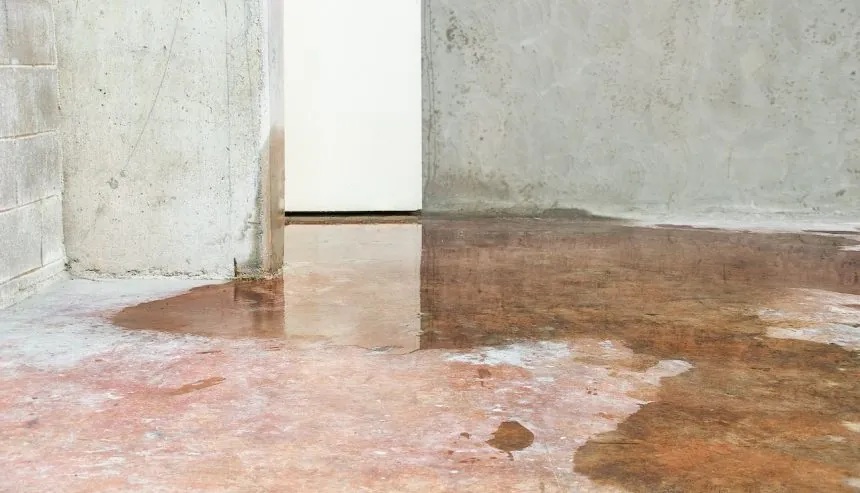
Subterranean leaks, whether occurring under your main lawn water line or beneath your home’s concrete slab foundation, are among the most financially draining hazards a property owner can face. A high-pressure underground leak can discharge hundreds of gallons of water per day directly into the soil. Over time, this fluid saturates sub-surface soil, creates voids beneath foundation footings, and forces moisture up through porous concrete into floor coverings.
Recognizing the early warning signs of underground water leaks and leveraging advanced acoustic and non-invasive detection technology is critical to stopping foundation failure and soaring utility bills. Here is how professional underground water leak detection in Stonecrest works and how scientific restoration protects your structural investment.
1. Anatomy of an Underground Leak: Main Lines vs. Slab Leaks
To understand subterranean water damage, it helps to distinguish between the two primary types of underground pipe ruptures common in DeKalb County homes:
Outdoor Main Service Line Leaks
Your home’s main water service line delivers pressurized water from the municipal water meter at the street directly into your indoor plumbing system. Buried two to three feet underground, these pipes are subjected to ground shifting, soil expansion, vehicle pressure over driveways, and corrosion. When a main line ruptures, water saturates the surrounding lawn, driveway, or garden beds, often creating concealed subsurface mud pockets before breaking through the lawn’s surface.
Indoor Slab Leaks (Sub-Slab Plumbing)
Many homes in Stonecrest are built on poured concrete slab foundations, with hot and cold copper or PEX supply lines embedded directly within or beneath the concrete. A slab leak occurs when one of these subterranean pipes develops a pit hole, crack, or joint failure. Because concrete is porous, high-pressure water forces its way upward, wicking into subfloors, hardwood, tile, and interior framing.
2. Subtle Warning Signs: Catching Leaks Before Structural Damage Strikes
Because subterranean leaks occur beneath dirt or concrete, homeowners must rely on indirect indicators to detect trouble early:
- 1. Unexplained Water Bill Spikes: If your household water consumption hasn’t changed, but your monthly utility bill suddenly doubles or triples, pressurized water is continuously escaping somewhere underground.
- 2. Unexplained Hot Spots on Flooring: Slab leaks in hot water supply lines heat the concrete above. If you notice a random warm patch under hardwood, laminate, or tile or if your pets frequently nap on one specific spot on the floor a sub-slab leak is likely directly underneath.
- 3. Spongy Lawns or Unusually Green Patches: If your lawn features an unnaturally bright green, lush patch of grass during dry weather or if a section of your yard remains spongy, muddy, or standing with water a main line leak is releasing nutrient-rich water below.
- 4. Sound of Running Water When Fixtures Are Off: Water leaking under high pressure makes a faint hiss, hum, or rushing noise. If you hear running water near walls or floors when all faucets, toilets, and appliances are completely turned off, pipes are actively leaking.
- 5. Soil Depression or Cracked Paving: As water washes away supporting soil beneath driveway pavers or concrete walkways, the ground above sinks, cracks, or shifts under foot or vehicle weight.
3. Advanced Non-Invasive Underground Detection Technology
Finding a pipe buried three feet under soil or encapsulated in four inches of reinforced concrete once required tearing up yards with backhoes or sledgehammering through living room floors. Today, specialized restoration technology pinpoints leaks non-invasively.
Acoustic Ground Microphones & Amplifiers
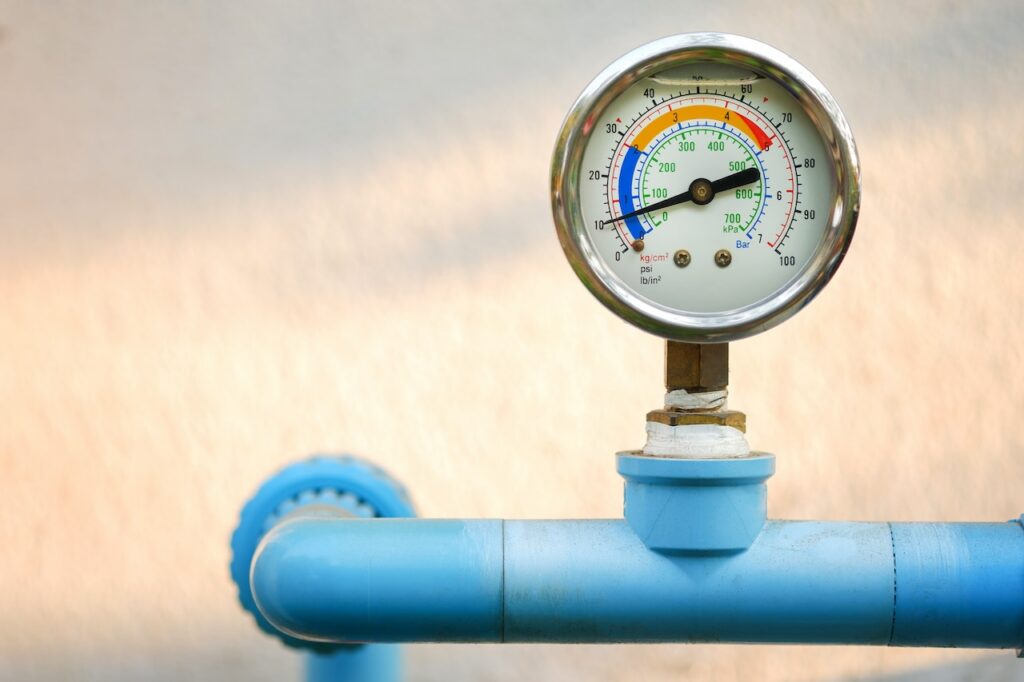
Water escaping a pressurized pipe at 40 to 80 PSI generates specific acoustic frequencies as fluid hits surrounding soil or concrete. Technicians use sensitive acoustic ground microphones and electronic listening devices to listen to the ground. By measuring sound intensity at various grid points, we pinpoint the exact point of maximum acoustic vibration, locating leaks within inches.
Non-Toxic Tracer Gas Detection
When acoustic testing is inconclusive due to deep soil depth or low water pressure, technicians inject a non-toxic gas mixture (typically 5% hydrogen and 95% nitrogen) into the drained plumbing line. Because hydrogen molecules are tiny, the gas escapes through the microscopic pipe crack and travels straight upward through soil and concrete. Handheld gas sensors then sweep the ground surface to detect escaping tracer gas.
Correlation & Pressure Testing Protocols
Before digging or cutting, technicians perform static pressure drop tests on isolated plumbing segments to confirm system depressurization, ensuring zero misdiagnoses before restoration begins.
4. The Georgia Soil Dilemma: Expansive Red Clay and Slab Erosion
Stonecrest and surrounding DeKalb County areas sit atop dense Georgia red clay soil. This soil type exhibits dramatic expansive properties, posing unique risks during subterranean leak events:
Soil Expansion & Heaving
Georgia red clay expands significantly when saturated with water and shrinks during dry periods. When an underground leak saturates clay beneath a concrete slab foundation, the expanding soil exerts immense upward pressure on the slab a process known as foundation heaving. This pressure can crack concrete slabs, warp door frames, and cause vertical cracks in exterior brick veneer.
Soil Erosion & Sinkhole Formation
Conversely, continuous high-volume water flow from main line leaks can wash away lighter sub-soil particles, creating large hollow voids beneath driveways, patios, or slab foundations. Without sub-surface soil support, heavy concrete slabs crack and settle into the void, leading to catastrophic structural failure.
5. Case Study: Locating a Main Line Rupture Under a Stonecrest Driveway
To see non-invasive underground water leak detection in Stonecrest in action, consider a recent emergency project completed for a homeowner near Klondike Road.
The Situation
A homeowner noticed a sudden $180 increase in his monthly water bill alongside a faint water trickle seeping out from under the edge of his concrete driveway. A local contractor suggested tearing up forty feet of concrete driveway to trace the main line, estimating over $8,500 in excavation and paving replacement costs.
The Precision Investigation
PuroClean of Stonecrest was called for a second opinion. Our team performed static pressure testing and deployed acoustic ground microphones along the buried main line path. Within 20 minutes, the acoustic amplifier identified a sharp frequency spike confined to a 12-inch radius near the edge of the driveway, well away from the center.
Targeted Intervention & Restoration
Instead of destroying forty feet of concrete, a plumber executed a small, targeted 18-inch soil excavation right at the acoustic mark, uncovering a split PVC coupling. Once the plumbing repair was complete, PuroClean extracted standing water from the soil trench, deployed commercial dehumidifiers to dry affected garage framing, and restored soil stability.
The Outcome
The homeowner saved over $6,500 in unnecessary driveway demolition, stopped ongoing soil erosion, and resolved his insurance claim with clear acoustic diagnostic reports.

6. Comprehensive Action Plan for Stonecrest Property Owners
If you suspect an underground leak on your property, take immediate action to limit financial exposure:
- Step 1: Shut Off Main Water Supply – Locate your main water shut-off valve (usually in the basement, crawlspace, or near the street meter) and turn it clockwise to stop pressurized water flow.
- Step 2: Perform the Meter Test – Check your municipal water meter. If the low-flow indicator dial or digital numbers continue moving while all indoor fixtures are off, water is actively escaping underground.
- Step 3: Require Non-Invasive Diagnostics – Avoid hiring contractors who recommend immediate destructive digging without performing acoustic or thermal diagnostic verification first.
- Step 4: Contact Certified Restoration Experts – Contact PuroClean of Stonecrest for non-invasive detection, rapid water extraction, structural drying, and full insurance claim documentation.
Conclusion: Protect Your Property and Wallet from Underground Water Damage
Underground water leaks are silent, destructive, and relentless. Whether it is a main service line leaking into your lawn or a slab leak undermining your concrete foundation, ignoring the warning signs only guarantees higher utility bills and expensive structural repairs.
With advanced acoustic microphones, tracer gas diagnostics, and IICRC-certified restoration protocols, PuroClean of Stonecrest provides exact clarity without tearing up your property unnecessarily.
SCHEDULE YOUR UNDERGROUND LEAK INSPECTION TODAY
Suspect a buried pipe leak, slab leak, or unexplained water bill spike? Don’t let underground water erode your home’s foundation and wallet.
Contact PuroClean of Stonecrest today at (470) 322-3300 or visit our website to schedule non-invasive underground water leak detection. Our certified experts pinpoint subterranean leaks quickly, prevent structural damage, and restore your home safely.
PuroClean of Stonecrest – The Paramedics of Property Damage® | Available 24/7 for Emergency Water Restoration