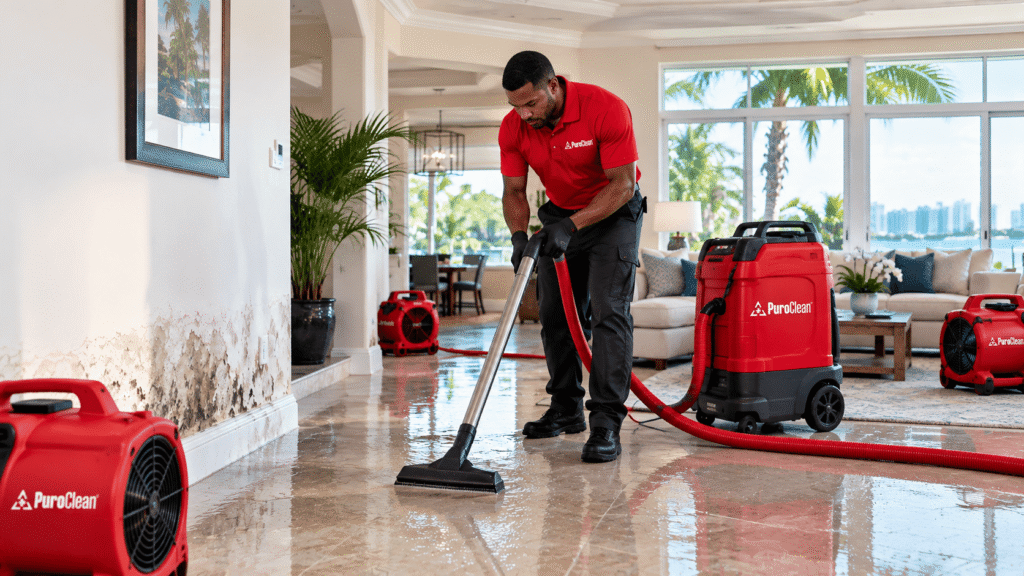
When a water emergency strikes your residential home or commercial building in Stonecrest, Georgia, the immediate focus centers on safety, stopping the leak, and understanding the financial impact.
Water damage restoration involves specialized industrial equipment, moisture mapping, structural drying, and potential reconstruction. Consequently, property owners naturally ask: How much will water damage restoration cost in Stonecrest?
In DeKalb County and the greater Metro Atlanta area, water restoration costs vary widely depending on the unique scope of work. While minor cleanups might cost a few thousand dollars, extensive multi-story floods requiring structural rebuilds can be considerably higher. Professional restoration contractors calculate estimates based on standardized line-item pricing software such as Xactimate, which insurance adjusters across North America use. Understanding the 7 primary factors determining these costs empowers property owners to navigate claims confidently and avoid unnecessary out-of-pocket expenses.
The 7 Important Factors Influencing Water Restoration Costs

Restoration costs are calculated based on physical metrics, biological risk categories, equipment requirements, and required labor hours. Here are the 7 core factors determining your total restoration estimate:
1. Category of Water Contamination (Clean, Gray, or Black Water)
Water damage is classified into three biological categories according to IICRC S500 standards:
- Category 1 (Clean Water): Originates from clean sources like broken water supply lines or sink overflows. This category carries the lowest remediation cost because materials can often be dried in place without extensive removal.
- Category 2 (Gray Water): Originates from sources containing chemical or biological contaminants, such as dishwasher discharge, washing machine overflows, or sump pump failures. Sanitization requirements and selective removal increase costs.
- Category 3 (Black Water): Contains highly hazardous pathogens, sewage, groundwater flooding, or river water. Category 3 losses require extensive personal protective equipment (PPE), biohazard disposal, and aggressive structural removal, resulting in the highest restoration costs.
2. Class of Water Loss and Scope of Moisture Absorption
The class of water loss refers to the rate of evaporation and the percentage of building materials affected:
- Class 1: Affects only part of a room with low-porosity materials (concrete or tile). Requires minimal equipment.
- Class 2: Affects an entire room, carpet, and cushion, wicking up drywall under 24 inches.
- Class 3: Water comes from overhead or affects entire rooms, saturating insulation, drywall, ceiling tiles, and subflooring.
- Class 4: Deeply bound moisture in low-permeability materials like hardwood floors, plaster, or masonry requiring specialized specialty drying panels and prolonged dehumidification cycles.
3. Square Footage and Volume of Affected Area
The total physical square footage directly dictates the quantity of industrial Low-Grain Refrigerant (LGR) dehumidifiers and high-velocity axial air movers required on site. Larger square footage also increases the labor hours needed for extraction, moisture monitoring, and surface sanitization.
4. Type of Building Materials Saturated
Different materials react uniquely to water absorption. Non-porous materials like ceramic tile or vinyl can be extracted and dried quickly. Porous materials like drywall, carpet padding, and fiberglass insulation absorb water rapidly and frequently require controlled removal. Structural hardwood floors require specialized vacuum mat drying systems to save planks without costly teardowns.
5. Response Time and Secondary Damage (Mold Growth)
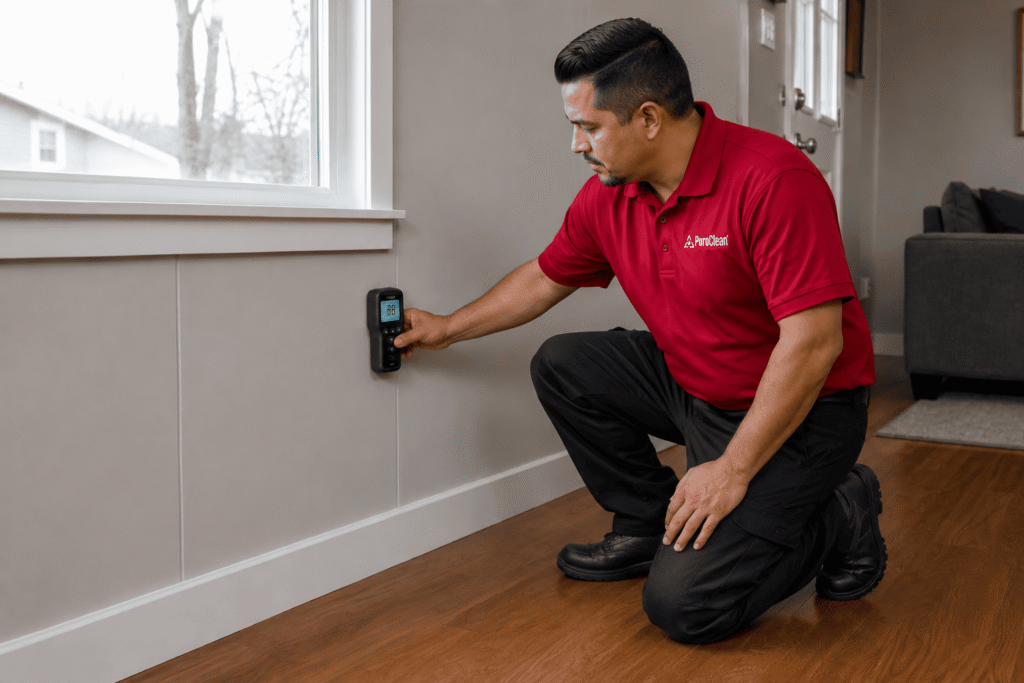
In Georgia’s warm, humid climate, mold spores germinate on wet drywall and subflooring within 24 to 48 hours. Calling a restoration company immediately limits damage to simple drying. Waiting several days allows secondary mold contamination to set in, adding containment barriers, HEPA air scrubbing, and certified mold remediation to the total cost.
6. Extent of Demolition and Rebuilding Required
Restoration encompasses two phases: mitigation (extraction, drying, and demolition of unsalvageable materials) and reconstruction (installing new drywall, subfloors, trim, and paint). If structural framing or cabinetry requires complete replacement, reconstruction represents a major portion of the final restoration estimate.
7. Accessibility and Equipment Deployment Needs
Properties with restricted physical access, such as tight crawlspaces, multi-story high-rises, or flooded subterranean basements requiring heavy submersible pumps, require specialized labor setups and specialized equipment deployment, impacting overall labor costs.
Will Insurance Cover Your Water Restoration Costs in Stonecrest?
In the vast majority of residential and commercial property water losses in Stonecrest, homeowners or commercial property insurance policies cover mitigation and restoration costs, provided the loss was sudden and accidental (such as a burst pipe or appliance rupture). Standard policies exclude groundwater flooding and sewer backups unless specific flood policies or water backup riders are attached.
To minimize out-of-pocket costs, partner with a restoration company that utilizes Xactimate pricing and offers direct insurance carrier billing. Direct billing ensures that estimates match your insurance adjuster’s expected line-item rates, reducing friction and ensuring your claim is fully processed.
Trust PuroClean of Stonecrest for Transparent Pricing and Direct Billing
When water damage strikes your property in Stonecrest, Lithonia, Decatur, or DeKalb County, do not navigate pricing and claims alone. Trust the Paramedics of Property Damage® at PuroClean of Stonecrest for rapid 24/7 emergency extraction, transparent Xactimate pricing, and direct insurance carrier billing.

| PuroClean of Stonecrest: Direct Insurance Billing Specialists |
| Call 24/7 for Emergency Water Assistance: (770) 290-3200 |
| Xactimate Estimates | Direct Insurance Billing | Thermal Moisture Mapping | Serving Stonecrest, Chamblee & DeKalb County |