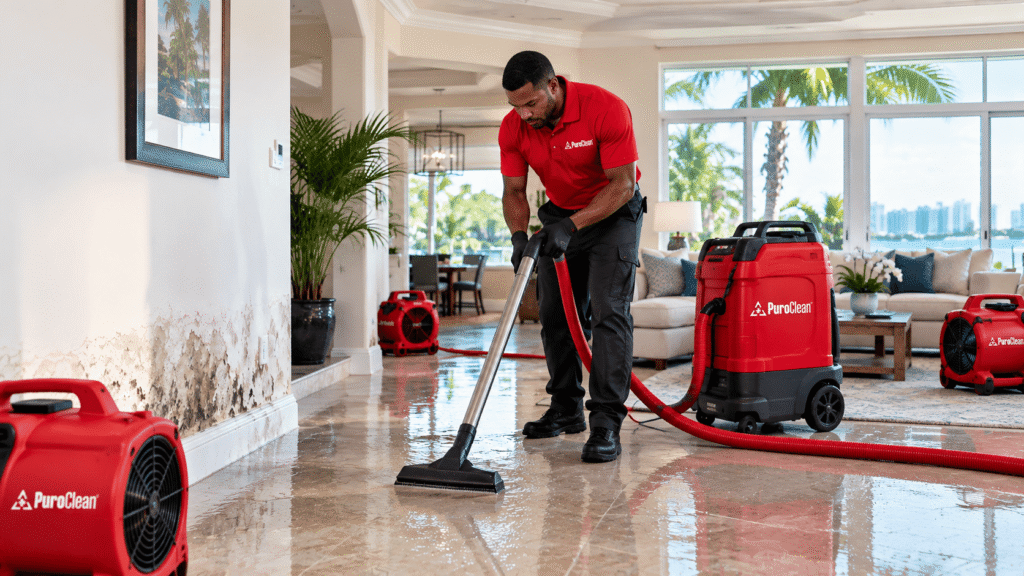
When water damage strikes a residential home or commercial building in Stonecrest, Chamblee, Lithonia, Decatur, or across DeKalb County, property owners are often overwhelmed by the recovery timeline.
Professional restoration contractors frequently use terms like water mitigation and water damage reconstruction interchangeably, leading to confusion. While both are essential phases of returning a property to its pre-loss condition, they serve entirely different purposes and involve distinct technical scopes of work.
In simple terms, water mitigation is the emergency first response designed to stop active damage, extract standing water, and dry out building materials. Water damage reconstruction, on the other hand, is the permanent repair and rebuilding phase that restores structural elements, drywall, flooring, and finishes. Understanding the unique boundaries, timelines, and objectives of each phase helps property owners navigate insurance claims smoothly and manage expectations during property recovery.
Furthermore, insurance adjusters evaluate mitigation and reconstruction under entirely different policy provisions and pricing guidelines. Recognizing how these two distinct stages interact ensures that property owners can communicate effectively with insurance carriers and restoration professionals throughout the restoration lifecycle.
Failing to distinguish between these two phases can result in missed insurance coverage or delayed repairs. Knowing what to expect during emergency mitigation and subsequent reconstruction empowers homeowners to protect their investment and ensure their property is restored safely.
Phase 1: What Is Water Damage Mitigation?
Water mitigation is the rapid, emergency action phase initiated immediately after a water loss occurs. The primary goal of mitigation is not to fix or rebuild damaged structures, but to prevent further deterioration and stabilize the environment. Key components of mitigation include:
- Emergency Water Extraction: Deploying truck-mounted extractors and submersible pumps to remove standing water from carpets, tile, and subfloors immediately.
- Industrial Structural Drying: Setting up high-velocity air movers and Low-Grain Refrigerant (LGR) dehumidifiers to force moisture out of wall cavities and structural framing.
- Thermal Moisture Mapping: Using infrared thermal imaging cameras and digital moisture meters to detect hidden pockets of trapped water behind walls and under flooring.
- Controlled Demolition and Removal: Safely discarding unsalvageable porous materials, such as wet insulation and water-logged carpet padding, that cannot be restored.
- Antimicrobial Application: Applying EPA-registered botanical disinfectants and antimicrobial sprays to sanitize affected surfaces and prevent mold germination within 24 to 48 hours.
Phase 2: What Is Water Damage Reconstruction?
Water damage reconstruction begins only after mitigation and structural drying are fully complete and moisture meters confirm baseline dry standards. While mitigation stops the bleeding, reconstruction puts the patient back together. Reconstruction involves structural repair, carpentry, and cosmetic finishing:
- Framing and Structural Repairs: Rebuilding damaged wall studs, floor joists, or roof trusses that weakened due to prolonged moisture absorption.
- Drywall Installation and Finishing: Hanging new sheetrock, taping, mudding, and sanding walls to achieve a smooth, paint-ready surface.
- Flooring Replacement: Installing new carpet, tile, luxury vinyl plank (LVP), or refinishing engineered hardwood flooring ruined by water.
- Cabinetry and Trim Carpentry: Rebuilding custom kitchen base cabinets, vanities, baseboards, crown molding, and door jambs.
- Interior Painting and Final Finishing: Applying primer and fresh coats of paint to restored walls and ceilings, returning the property to its original, flawless aesthetic.
Key Differences at a Glance: Mitigation vs. Reconstruction
To clearly distinguish between the two services, consider this comparative breakdown:
| Feature | Water Mitigation | Water Damage Reconstruction |
| Primary Objective | Stop ongoing damage, extract water, and dry out structure. | Rebuild, repair, and restore aesthetics and structural integrity. |
| Timing | Immediate emergency response (First 24 to 72 hours). | Scheduled after drying is verified complete (Days 3 to weeks). |
| Common Tasks | Pumping water, running dehumidifiers, mold prevention. | Drywall hanging, painting, flooring installation, carpentry. |
How Insurance Handles Mitigation Versus Reconstruction Claims
Understanding how insurance coverage applies to each phase helps property owners navigate the claims process efficiently:
Insurance carriers generally view water mitigation as an emergency service required under your policy duty to protect property from further damage. Because mitigation must happen immediately, insurers rarely require prior approval to dispatch emergency extraction crews. In contrast, reconstruction is typically treated as a property repair estimate. Adjusters review line-item estimates (often generated via Xactimate) to verify replacement costs for building materials, labor, and finishes before issuing funds for rebuilding.
Why Hiring a Full-Service Restoration Contractor Matters
Many property owners make the mistake of hiring one company for emergency water extraction and a completely different contractor for rebuilding. This fragmented approach often leads to severe communication gaps, prolonged project delays, and finger-pointing between contractors and insurance adjusters regarding who is responsible for specific line items.
Partnering with a full-service restoration provider like PuroClean of Stonecrest eliminates these hurdles. Because we manage both mitigation and reconstruction under one unified roof, our team seamlessly transitions from emergency drying to structural rebuilding using standardized Xactimate software accepted by all major insurance carriers. This streamlined workflow ensures transparent pricing, faster turnaround times, and less stress for your household.
Trust PuroClean of Stonecrest for Complete Mitigation and Reconstruction
When water damage impacts your Stonecrest, Lithonia, Decatur, or DeKalb County property, do not juggle multiple contractors. Trust the Paramedics of Property Damage® at PuroClean of Stonecrest for 24/7 emergency mitigation, professional structural drying, and full-service structural reconstruction with direct insurance billing.

| PuroClean of Stonecrest: Full-Service Water Restoration Experts |
| Call 24/7 for Emergency Mitigation & Reconstruction: (770) 290-3200 |
| Emergency Mitigation | Structural Reconstruction | Direct Insurance Billing | Serving Stonecrest, Chamblee & DeKalb County |