Types of water damage
Water damage can affect homes and businesses in different ways, depending on the source and contamination level. Each type requires a specific cleanup and restoration approach. The three primary categories are clean water, grey water, and black water damage. Understanding these classifications helps homeowners respond effectively and prevent further harm.
Clean Water Damage
This is the least hazardous type, originating from sources like broken pipes, rainwater, or overflowing sinks. While it does not contain harmful contaminants, stagnant clean water can seep into walls, floors, and furniture, leading to mold growth and structural damage. Professional drying and dehumidification are essential to prevent long-term issues.
Grey Water Damage
Grey water contains mild contaminants and typically comes from household appliances such as washing machines, dishwashers, and bathtubs. While it is not immediately dangerous, prolonged exposure can cause bacteria buildup, foul odors, and potential health risks. If left untreated, grey water can degrade into black water. Professional sanitation, drying, and deodorization are necessary to ensure a safe environment.
Black Water Damage
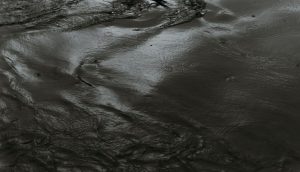
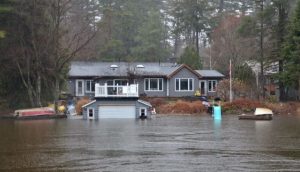
This is the most severe type of water damage, caused by sewage backups, floodwaters, or stagnant contaminated water. Black water contains harmful bacteria, toxins, and waste that can pose serious health risks. Exposure can lead to infections and respiratory issues. Cleaning and restoring black water damage requires specialized equipment and expertise. Professional water damage restoration in Readington Township, NJ ensures thorough removal, disinfection, and drying to prevent long-term hazards.
 PuroClean of Midtown Manhattan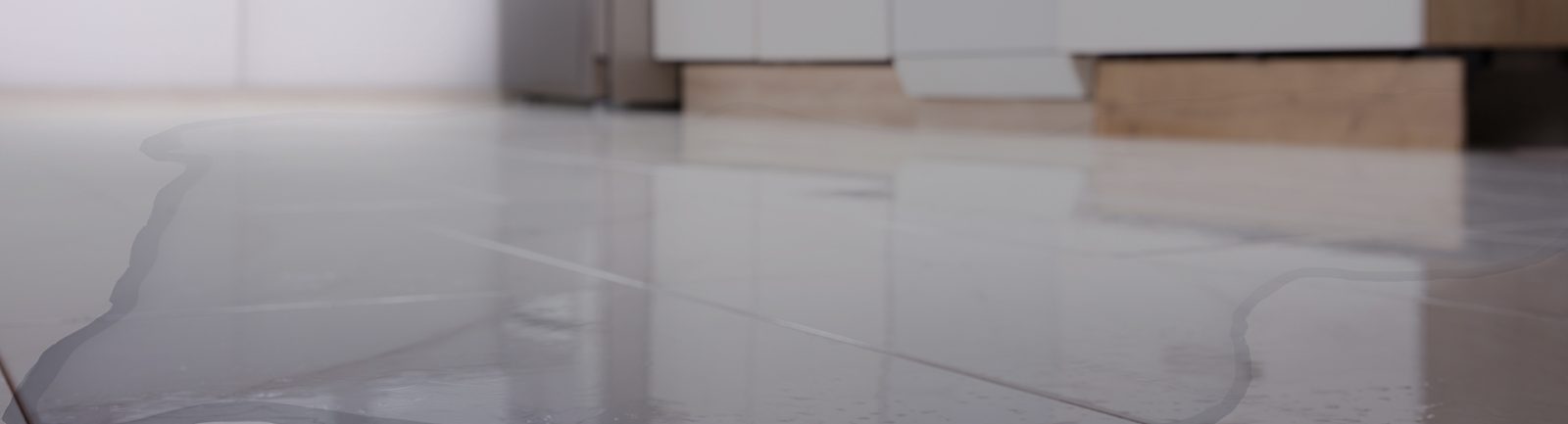





 PuroClean of Midtown Manhattan