 PuroClean of Evanston
Mold is every Chicago property owner’s bête noire. It can damage your home or business, bring down the value of your investment, and even cause allergic reactions and respiratory problems.
But do you have to call in a professional remediation team? Not necessarily!
You can often handle mold removal yourself if the problem is small, visible, and on non-porous surfaces. However, it’s crucial to know when expert help is needed. Hidden mold, significant water damage, and HVAC contamination are all signs you need a pro.
This expert guide explains how to distinguish between them — and why making the right choice can protect your health and prevent future mold emergencies.
Mold 101: The Science (and Danger) of Mold
Mold is a natural fungus that reproduces through tiny airborne spores. There are over 300,000 known types, some of which can be toxic, such as Stachybotrys chartarum (black mold), Aspergillus (which produces highly carcinogenic aflatoxins), and Penicillium, which is common in homes and can produce powerful mycotoxins as well as antibiotics.
In residential or commercial settings, exposure to mold spores can cause allergic reactions, trigger asthma, and lead to long-term health complications like mycotoxicosis.

📸 Extreme mold infestation in a Chicagoland homeowner’s attic
Why Mold Is a Big Deal in Chicago
Mold thrives in moisture. Chicago homes and businesses face plenty of opportunities for dampness: spring rainstorms, flat rooftops that don’t drain well, leaky plumbing in older buildings, and humid summers.
The city’s aging housing stock compounds these problems significantly. Much of Chicago’s residential and commercial property was built before modern moisture control standards existed, leaving many buildings vulnerable to persistent mold issues.
Left untreated, mold can also:
- Spread rapidly behind walls, under floors, and in HVAC systems.
- Damage drywall, wood, carpeting, and furniture.
- Lower your property’s value and make it harder to sell.
Because mold spreads quickly and silently, it’s important to act fast as soon as you spot it.
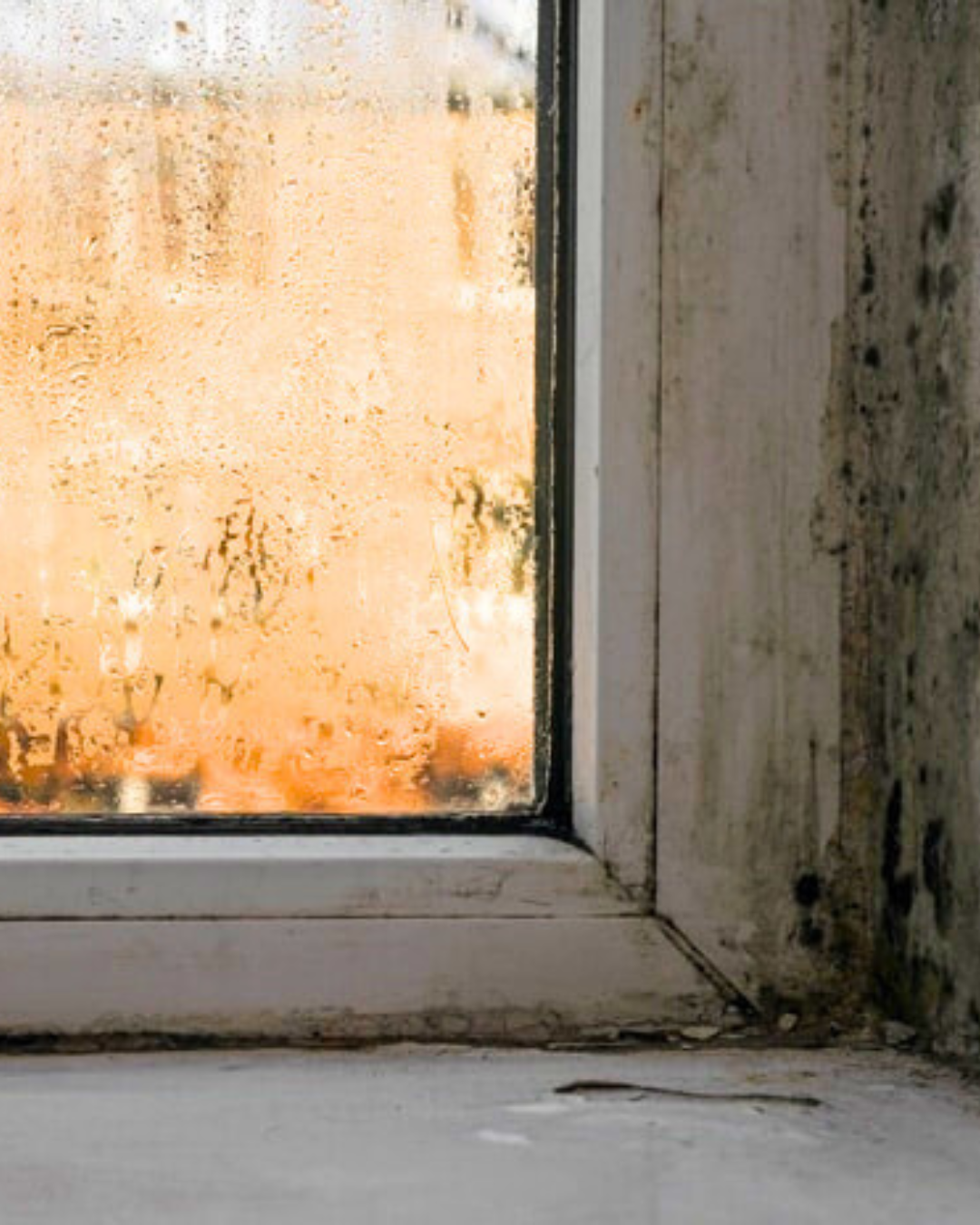

📸 Indoor mold colonies due to household moisture intrusion
When Mold Cleanup Might Be a DIY Project
Not every mold situation requires professional intervention. If you catch it early, small-scale mold can often be handled on your own. Here are signs you might be able to DIY:
- The Mold Patch Is Small
If the affected area is less than about 10 square feet (think a 3-foot by 3-foot patch), you can often clean it yourself. Small spots on bathroom tile, windowsills, or under a kitchen sink should respond well to DIY treatment.
- The Mold Is on Hard, Non-Porous Surfaces
Mold growing on tile, glass, or metal can usually be scrubbed away with a household cleaner or a mix of water and detergent, or bleach. Just be sure to dry the area completely afterward to prevent regrowth.
- There’s No Underlying Structural Damage
If you’re certain the mold hasn’t penetrated drywall, wood, or carpeting, you may be able to manage it with cleaning and ventilation improvements.
Pro Tip: Always wear gloves, goggles, and an N95 mask when cleaning mold, even small amounts. Mold spores can irritate your lungs and skin.
To keep your mold problem from recurring, it’s vital to understand why mold is present and to fix the underlying problem causing the mold growth.
Caveats and Risks of DIY Mold Removal
- Household cleaners may lighten stains but not kill the root cause, especially on porous surfaces.
- Scrubbing can send spores airborne, spreading mold further or contaminating your HVAC system.
- It’s easy to miss hidden mold behind walls, under flooring, or in ducts.
- If mold returns soon after cleaning, the underlying moisture problem has not been solved — it’s time to call in an expert team like PuroClean of Evanston!
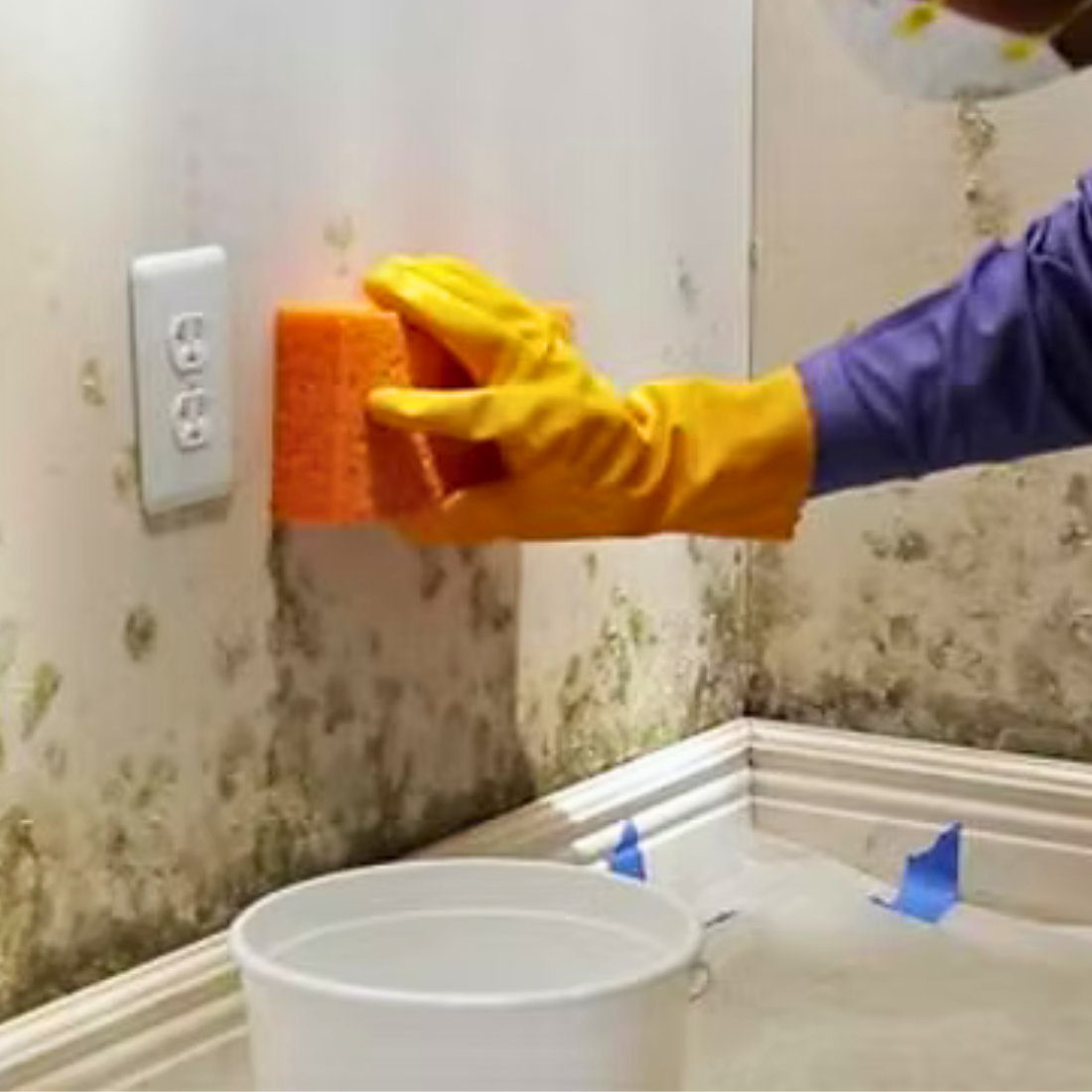
📸 DIY mold removal should be done with extreme caution.
When to Call a Chicago Mold Remediation Professional
Certain mold emergencies require professional intervention for the sake of health, safety, and peace of mind. Call us if:
- The mold covers more than 10 square feet: Extensive infestations almost always require industrial equipment and expertise.
- Mold is present in HVAC systems, behind walls, or under floors: Only professionals have the tools (moisture meters, infrared cameras) to locate and remove hidden colonies safely.
- There’s a history of water damage, ongoing leaks, or chronic humidity issues: The real issue is not just what’s visible, it’s what’s happening behind the scenes.
- There are strong musty odors or signs of black mold (Stachybotrys chartarum): Some mold species can be deadly to vulnerable individuals or children; exposure is not worth the risk.
- Your insurance policy requires professional remediation for coverage: Many insurance companies will void claims if improper DIY work is done first.
What Professionals Do That DIY Can’t
You might wonder: what’s the difference between handling mold yourself and hiring a pro? Quite a lot, actually.
Professional mold remediation companies like PuroClean of Evanston offer:
Advanced Detection Tools: Moisture meters and infrared cameras find mold you can’t see.
Containment Systems: Plastic sheeting, negative air machines, and HEPA filtration keep spores from spreading during cleanup.
Safe Removal Techniques: Specialized cleaning agents and equipment remove mold from porous materials.
Restoration Services: If walls, flooring, or insulation are damaged, our team can repair or replace them.


Our experts can also help you address the underlying water problem so it doesn’t come back.
If you’ve got unwanted fungal guests in your home or business, you may be able to get rid of them using DIY methods. But if you’re in doubt or the problem has become too hot to handle, PuroClean’s Paramedics of Property Damage™ are here. Reach out to us today!


 PuroClean of Evanston