 PuroClean of Evanston
Mold: it’s a word that can make any property owner cringe. This silent intruder can cause significant structural problems and pose serious health risks.
Yet many home and business owners fail to recognize the early warning signs until significant damage has occurred. As top property restoration and mold remediation specialists, we’ve seen firsthand how quickly mold can transform from a minor concern into a major health hazard and costly structural problem.
Understanding the warning signs of mold growth is crucial for protecting your investment, maintaining a healthy indoor environment, and preventing extensive property damage.
That’s why we’ve created this essential guide to help you identify the top 10 warning signs that you might have a mold problem lurking in your home or business. If you spot any of these red flags, it’s time to take action.
Understanding Mold Growth Patterns in Properties
Before diving into specific warning signs, it’s important to understand how mold operates in residential and commercial environments.
Mold spores are naturally present in the air, but they only become problematic when they find the right conditions: moisture, organic material to feed on, and temperatures between 60-80°F. These conditions are surprisingly common in both homes and businesses, particularly in areas with poor ventilation, recent water damage, or high humidity levels (like Chicagoland).
Our team of experts understands that mold doesn’t always appear where you’d expect it. While bathrooms and basements are obvious candidates, mold can thrive in wall cavities, behind appliances, under flooring, and in HVAC systems where it remains hidden until the problem becomes severe.
Mold can begin developing within 24-48 hours of water exposure, making early detection and prompt professional mold remediation essential for minimizing long-term consequences.
Visual Warning Signs of Mold Growth
1. Visible Mold Colonies and Discoloration
The most obvious sign of mold growth is visible mold itself, though it doesn’t always appear as the stereotypical black spots many people expect.
Mold can present as fuzzy patches, slimy films, or powdery substances in colors ranging from white and gray to green, brown, and black. Common locations include bathroom tiles, basement walls, window sills, and areas around plumbing fixtures.
Even small patches of visible mold should prompt immediate professional mold remediation consultation, as what you can see often represents only a fraction of the total mold growth present in the structure.
2. Unexplained Stains and Water Damage Marks
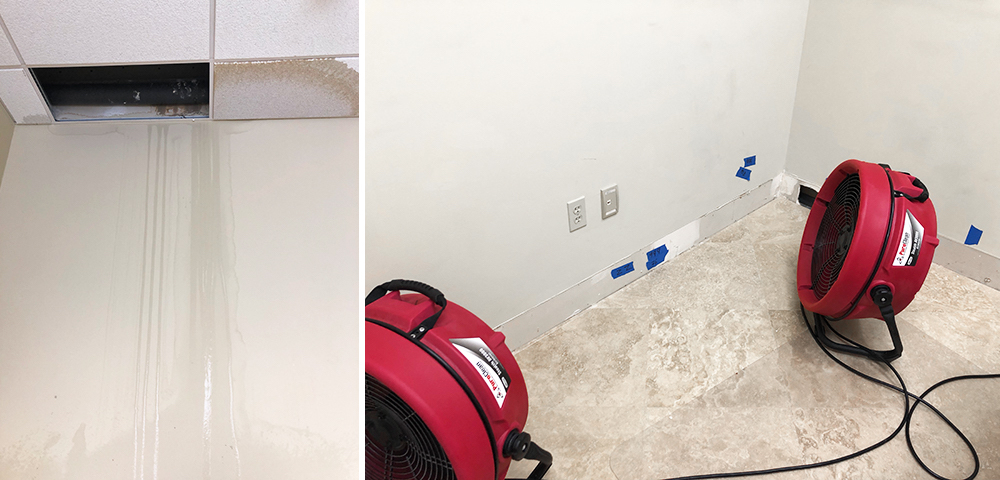
Water stains on walls, ceilings, or floors are strong indicators of moisture problems that can lead to mold growth.
These stains often appear as yellowish-brown rings or patches and may indicate ongoing leaks or past water damage that wasn’t properly addressed. Professional mold remediation specialists recommend investigating any water stains immediately, as mold often develops in the hidden spaces behind these visible marks.
3. Warping, Buckling, or Deteriorating Materials
Mold growth can cause structural materials to weaken and deform. Warped wood, buckling drywall, peeling paint, or deteriorating caulk around tubs and showers often indicate moisture problems that create ideal conditions for mold development.
These structural changes suggest that mold may already be well established within the affected materials.
Sensory Indicators of Hidden Mold Problems
4. Persistent Musty or Earthy Odors
One of the most reliable early warning signs of mold growth is a persistent musty, earthy, or damp smell that doesn’t disappear with regular cleaning.
This distinctive odor is caused by microbial volatile organic compounds (MVOCs) that mold colonies produce as they grow and reproduce. The smell may be strongest in certain rooms or areas and can intensify during humid weather or when the HVAC system is running.
5. Worsening Allergic Reactions Indoors
If you or your employees experience increased allergy symptoms, respiratory irritation, headaches, or fatigue, specifically when inside the building, hidden mold growth could be the culprit.
Mold spores and mycotoxins can trigger various health responses, particularly in sensitive individuals. This is especially concerning in commercial settings where multiple people may be affected simultaneously.
Environmental and Structural Warning Signs
6. Excessive Humidity and Poor Ventilation
Indoor humidity levels consistently above 60% create ideal conditions for mold growth.
Signs of excessive humidity include condensation on windows, pipes, or walls, especially during temperature changes. Poor ventilation in bathrooms, kitchens, or storage areas compounds this problem by preventing moisture from escaping naturally.
7. Recent Water Damage or Plumbing Issues
Any recent flooding, roof leaks, pipe bursts, or appliance malfunctions should trigger immediate concern about potential mold development.
Even if the visible water was cleaned up promptly, moisture can penetrate wall cavities, subfloors, and insulation, where mold can begin growing undetected. Professional mold remediation assessment is crucial following any significant water damage event.
8. HVAC System Problems and Strange Air Quality
Mold growth in heating, ventilation, and air conditioning systems can distribute spores throughout an entire property. This is an especially serious concern in large residential buildings, hospitals, and corporate spaces.
Warning signs include musty odors when the system runs, visible growth around vents or ductwork, frequent system cycling, or unexplained increases in energy bills due to reduced efficiency from mold-clogged components.
Advanced Warning Signs Requiring Immediate Attention
9. Multiple Unexplained Health Symptoms
When multiple occupants experience similar health issues that improve when they leave the building, this strongly suggests an indoor air quality problem, potentially including significant mold growth.
Symptoms may include respiratory problems, skin irritation, eye irritation, cognitive issues, or persistent fatigue. These symptoms warrant immediate professional mold inspection and potential remediation.
10. Previous Mold Problems or Inadequate Remediation
Properties with a history of mold problems are at higher risk for recurrence, especially if the original remediation wasn’t performed by certified professionals or if the underlying moisture source wasn’t properly addressed.
Signs that previous mold remediation was inadequate include returning odors, recurring health symptoms, or visible regrowth in previously treated areas.
Taking Action: When to Call Professional Mold Remediation Specialists
Recognizing these warning signs is only the first step in protecting your property and health.
Mold growth in your home or business warrants professional mold remediation services from the experts at PuroClean of Evanston. Prompt action by highly trained specialists can protect your family’s health, your investment, and your peace of mind.
Need help fast? We’re here to help you breathe easier — at home and work. Contact our expert mold remediation team today to schedule an inspection or get answers to your questions!


 PuroClean of Evanston