


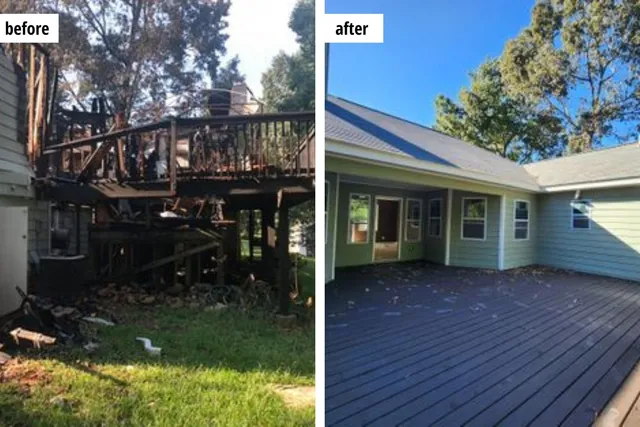
Fire Damage Does Not End When the Flames Are Out
When a fire is extinguished, many homeowners believe the danger has passed. In reality, the most complex part of the damage often begins afterward. Smoke residue, soot particles, heat damage, and water from firefighting efforts continue affecting a property long after the fire itself is over.
In Covington, LA, fire damage restoration is especially important due to the region’s humidity. Moisture left behind from suppression efforts can combine with smoke residue to create lingering odors, corrosion, and mold growth if not handled properly.
Fire damage restoration is about stabilizing what remains and preventing fire related damage from spreading further through the home.
Fire Leaves More Than Burn Marks
Fire damage is rarely confined to the area where flames were visible. Heat travels through structural materials, smoke migrates through the air system, and soot settles in places far from the source.
Fire damage often includes:
- Smoke and soot residue on walls and ceilings
- Odors embedded in furniture and fabrics
- Water damage from firefighting efforts
- Corrosion of metal fixtures and appliances
- Damage inside HVAC systems and ductwork
Even rooms untouched by flames may still require professional fire damage restoration to be safe and usable again.
Why Smoke and Soot Are So Difficult to Remove
Smoke particles are extremely small and chemically active. When they settle, they bond to surfaces and create acidic residues that slowly break down materials.
Soot damage can cause:
- Permanent staining on walls and ceilings
- Discoloration of plastics and appliances
- Corrosion of electronics and metal components
- Persistent smoke odors
Standard household cleaners often spread soot rather than remove it. Fire damage restoration requires specialized tools and techniques to safely eliminate residue without causing additional damage.
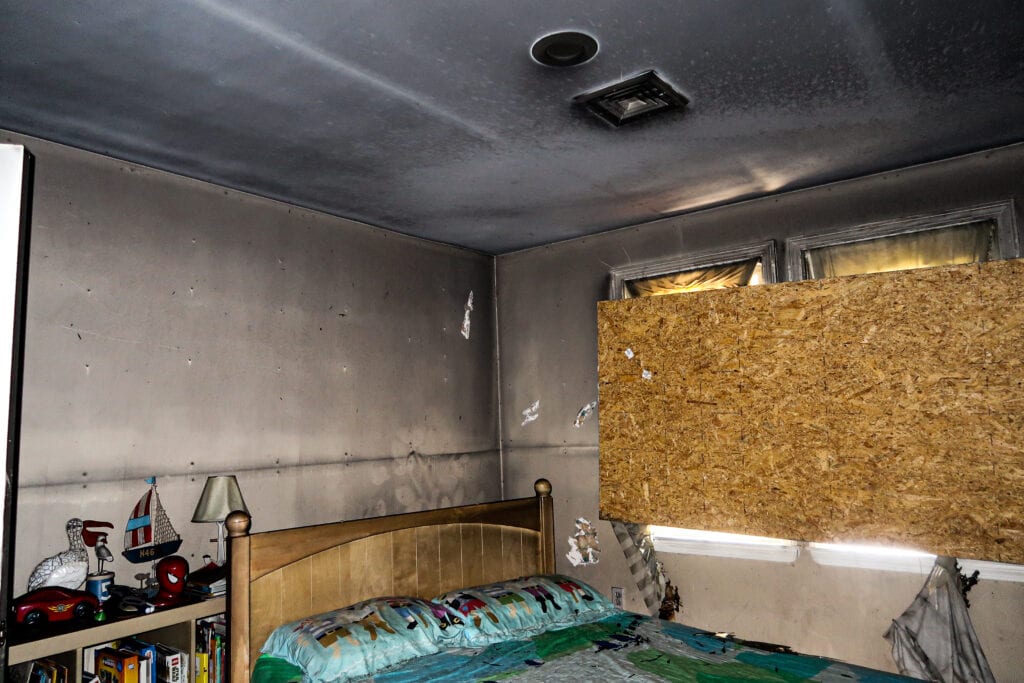
What to Do Immediately After a Fire
Once authorities confirm it is safe to enter the property, the actions taken next can influence the success of fire damage restoration.
Helpful steps include:
- Avoid touching soot covered surfaces
- Keep doors and windows closed unless advised otherwise
- Document visible damage for insurance purposes
- Avoid turning on HVAC systems
- Arrange professional fire damage restoration
Attempting to clean fire damage without proper training can permanently damage surfaces and spread contamination throughout the home.
How Professional Fire Damage Restoration Works
Fire damage restoration addresses multiple forms of damage at once. We treat fire, smoke, soot, and water damage as part of a single coordinated recovery process.
Inspection and Damage Assessment
We begin by evaluating the extent of fire, smoke, soot, and water damage. This includes inspecting areas that may not show visible signs but are often affected, such as wall cavities and HVAC components.
Property Stabilization
Fire can compromise doors, windows, and roofing. Securing the structure helps protect it from weather exposure and additional damage while restoration is underway.
Smoke and Soot Removal
Using professional cleaning systems and materials, we remove smoke residue and soot from surfaces throughout the property. Different materials require different techniques to prevent staining or corrosion.
Odor Control
Smoke odors embed deep into porous materials. Advanced deodorization methods target odor molecules rather than masking them, helping restore clean indoor air.
Water Damage Drying
Water from firefighting efforts is addressed through extraction, drying, and dehumidification to prevent mold growth and secondary damage.

Fire Damage and Indoor Air Quality
After a fire, indoor air quality often suffers. Smoke particles and chemical residues remain suspended or settle into ductwork and insulation.
Poor air quality after fire damage may cause:
- Respiratory irritation
- Lingering smoke smells
- Discomfort for sensitive individuals
- Reduced overall indoor comfort
Fire damage restoration improves air quality by removing contaminants and cleaning affected systems rather than simply covering odors.
Common Causes of Residential Fire Damage
Understanding common fire risks can help homeowners stay alert and prepared.
Frequent causes include:
- Cooking accidents
- Electrical malfunctions
- Heating equipment failures
- Fireplace and chimney issues
- Dryer vent buildup
- Candles and unattended flames
Even small fires can create extensive smoke damage requiring professional restoration.
Serving Covington and Surrounding Louisiana Communities
PuroClean Emergency Restoration provides fire damage restoration services throughout Covington, LA and nearby communities. We understand how Louisiana’s climate affects post fire recovery and tailor our restoration process accordingly.
Our focus is restoring safety, air quality, and structural stability while minimizing long-term impact.
Restoring Stability After Fire Damage
Fire damage restoration is about more than repairing what burned. It is about addressing the smoke, soot, and moisture that continue affecting your property long after the fire. With professional fire damage restoration, materials can be preserved, odors eliminated, and indoor spaces made safe again. If your Covington property has experienced fire damage, contact us to discuss the next steps and begin a restoration plan designed to protect what remains and help you move forward with confidence.