


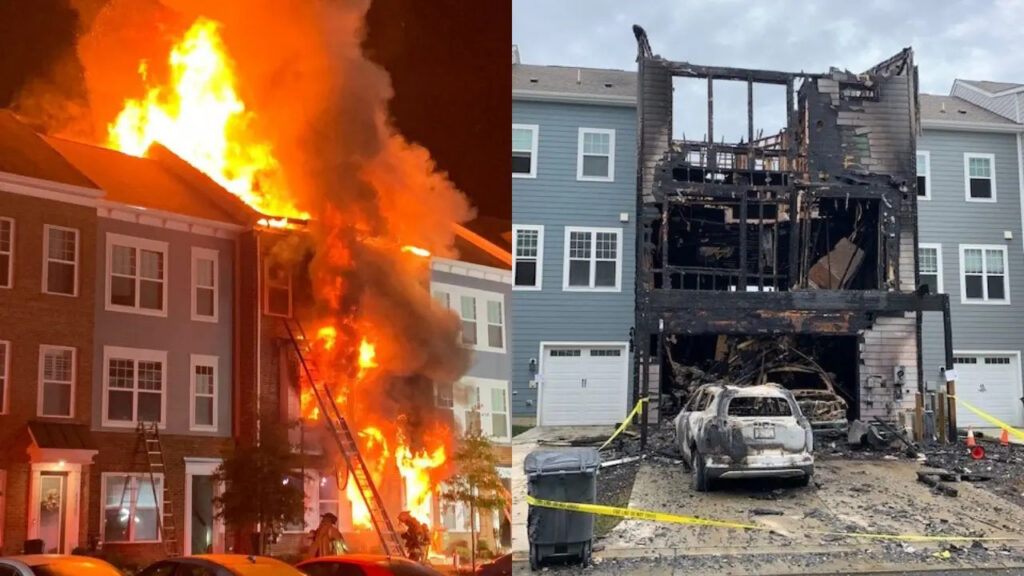
What Shared Wall Construction Means When Fire Spreads Beyond One Unit
Slidell’s growth corridor along Highway 190 and the Fremaux Town Center area has produced some of the most active residential development in eastern St. Tammany Parish over the past fifteen years. Attached townhomes, paired villas, and cluster home developments have become a defining feature of this part of Slidell, offering affordable entry points into the North Shore market with HOA-managed exterior maintenance and shared amenity packages.
What these developments also share, in ways that buyers do not always consider, is construction that allows fire to spread from one unit into adjacent ones through shared attic spaces, common walls, and connected structural systems. When fire damage occurs in one of these properties, the restoration challenge is rarely contained to a single unit, and the process of sorting out who is responsible for what restoration cost can be as complex as the physical damage itself.
At PuroClean Emergency Restoration, fire damage restoration in Slidell’s attached residential developments is a scenario our team handles with specific protocols designed for multi-unit losses. Here is what homeowners and property managers in these communities need to understand.
How Fire Spreads Through Shared Attic Construction
The single most significant fire spread pathway in Slidell’s attached townhome and villa developments is the shared attic space. Many of these developments were built with continuous attic areas that span multiple units, separated by fire blocking of varying effectiveness rather than full fire-rated assemblies between each unit.
When fire originates in one unit and reaches the attic, it can travel laterally through that shared space before automatic suppression systems or fire department response contains it. The result is a fire damage footprint that bears no relationship to the unit boundaries that define each owner’s property for insurance and liability purposes.
Smoke migration through shared attic construction follows an even broader path. Smoke moves through every gap, penetration, and construction joint in the attic assembly, potentially affecting units two or three positions away from the fire origin while leaving intermediate units with smoke contamination that requires professional fire damage restoration even though no visible fire damage is present.
This is one of the most consistent sources of fire damage restoration scope disputes in Slidell’s attached developments. The unit where the fire originated has obvious structural fire damage. The adjacent units have smoke and soot contamination that requires professional treatment. The units beyond those may have elevated particulate counts in the air and light surface deposition that is easy to dismiss but creates persistent odor and indoor air quality issues if not addressed.
The HOA Insurance Layer in Multi-Unit Fire Events
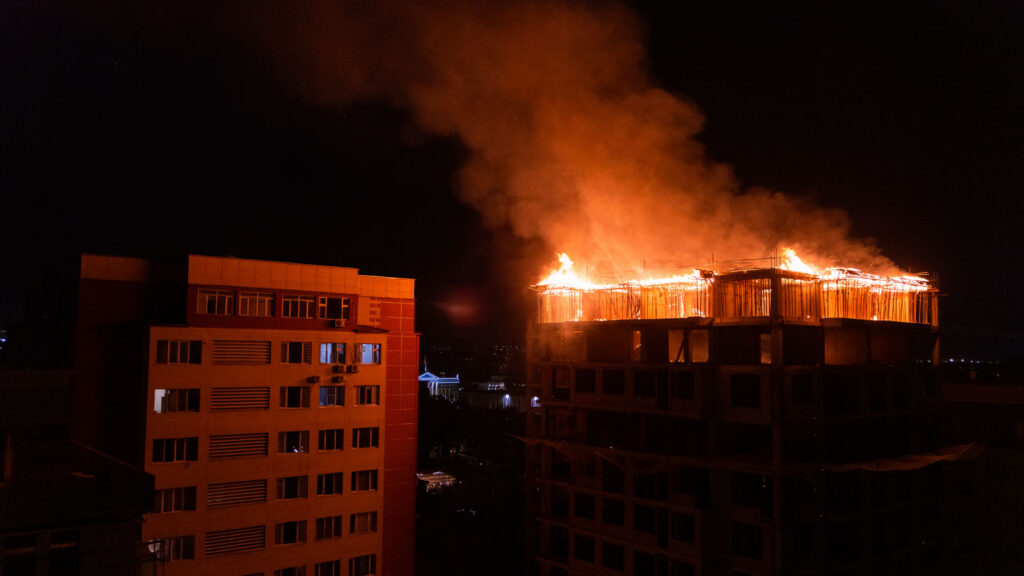
Fire damage restoration in an HOA-managed attached development in Slidell involves a minimum of two insurance claims running simultaneously, and often three or more depending on how many units were affected.
The at-fault unit owner’s homeowner’s policy covers the damage originating within their unit. The HOA master policy covers damage to common elements, shared structural systems, and in many policies, the building structure itself up to the original construction standard. Each affected unit owner’s individual policy covers their interior finishes, contents, and any coverage above the HOA master policy’s building coverage.
These layers do not always align cleanly, and the gaps between them are where fire damage restoration cost disputes most commonly develop. Coverage questions that arise in almost every multi-unit Slidell fire event include:
- Which policy covers the shared attic assembly and fire blocking between units
- Whether the HOA master policy covers interior finishes or only structural components
- How smoke damage in units without visible fire damage is categorized and covered
- Whether the at-fault unit owner’s liability coverage applies to adjacent unit damage and at what limits
Professional fire damage restoration documentation that clearly maps the fire origin, the structural spread pathway, the smoke migration extent, and the damage category in each affected unit gives every carrier involved a factual foundation for their coverage determination. Without that documentation, coverage disputes in multi-unit Slidell fire events routinely delay restoration by weeks.
What Fire Damage Restoration Covers Across Multiple Attached Units
Getting fire damage restoration right in a Slidell attached development requires a coordinated single-team response across all affected units rather than separate contractors working independently in each space:
- Fire origin and spread pathway documentation establishing the structural route the fire traveled through shared construction elements
- Smoke migration mapping across all potentially affected units using air quality assessment and surface sampling beyond the visible fire zone
- Shared attic assessment and treatment as a single scope item covering the full affected span rather than unit-by-unit fragments
- Coordinated structural drying across adjacent units affected by suppression water, preventing equipment in one unit from working against drying in neighboring spaces
- Unit-specific scope documentation for each affected party’s insurance claim while maintaining a master file covering the full event
- Odor elimination calibrated for Louisiana’s ambient humidity, applied throughout all affected units simultaneously rather than sequentially
For context on how our team handles the combined fire and water damage that every structure fire produces, our blog on What Happens Inside a Property During Emergency Fire Restoration explains the sequencing that ensures neither damage type is allowed to worsen while the other is being addressed.
A Note on Louisiana’s Shared Wall Fire Spread and Building Code
Louisiana’s residential building code requires fire blocking in shared wall and attic assemblies between attached dwelling units. In practice, the effectiveness of that fire blocking in Slidell’s older attached developments varies significantly depending on when the development was built, how carefully the original construction was executed, and whether any subsequent renovation work maintained the fire blocking integrity.
If your Slidell townhome or villa has experienced a fire event and the spread pattern suggests the shared attic fire blocking did not perform as required, that is a documentation point worth preserving carefully. It may be relevant to the HOA’s responsibility for the shared structural element and to any subsequent code compliance questions that arise during the restoration process.
Our fire damage restoration documentation includes assessment of fire blocking condition in affected shared assemblies as a standard component of every multi-unit job in Slidell’s attached developments.
One Fire. Possibly Multiple Units. One Team to Handle All of It.
When fire damage crosses unit boundaries in a Slidell townhome or attached villa development, fragmented restoration produces fragmented results. Different contractors working in adjacent units with different scopes, different documentation standards, and different drying approaches produce a restoration outcome that looks complete unit by unit while leaving shared structural systems inadequately addressed.
PuroClean Emergency Restoration handles fire damage restoration across all affected units in a multi-unit Slidell event as a single coordinated job, with documentation that supports every party’s claim and a restoration scope that addresses the shared construction elements that no individual unit owner can manage independently.
For additional context on how we approach multi-unit water and fire restoration documentation across shared building systems, our blog on Emergency Water Restoration in Slidell covers the coordination approach we apply to complex multi-source property events in eastern St. Tammany Parish.
We serve Slidell, Eden Isles, Lakeshore Estates, Oak Harbor, Fremaux corridor developments, and surrounding eastern St. Tammany Parish communities around the clock. Call (985) 590-6600 the moment fire damage is confirmed in your unit or your development. One call, one coordinated response, one complete restoration file for everyone who needs it.