


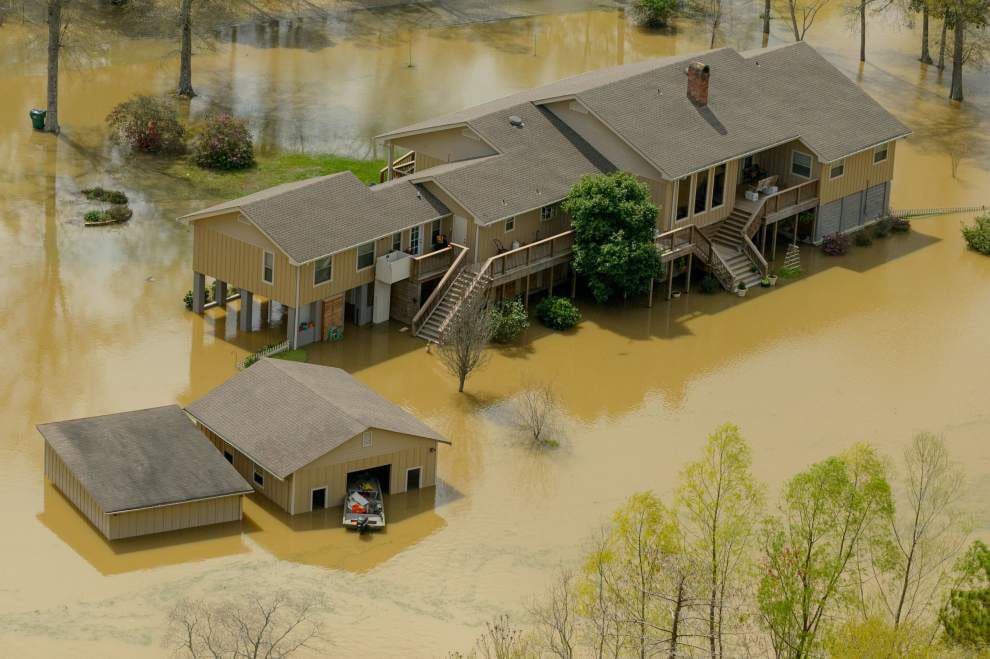
What Northshore Estates, Eden Isles, and Similar Communities Need After Every Storm Season
Some Slidell neighborhoods have a flooding history that predates Hurricane Katrina by decades. The older established communities along the lake and canal corridors, Northshore Estates, Eden Isles, sections of Oak Harbor, developments built in the 1960s and 1970s when St. Tammany Parish was first transitioning from rural to suburban, these neighborhoods were designed with drainage infrastructure calibrated for the rainfall patterns of their era and construction standards that predate modern flood zone requirements.
Decades later, with subsided lots, aging drainage systems, and climate patterns that deliver rainfall in greater volumes and shorter timeframes than the original infrastructure was sized for, repetitive flooding is a defining reality of life in these communities. And flood clean up in a home that has flooded multiple times carries a specific set of challenges that a single-event storm flooding approach does not address.
What Repetitive Flooding Does to an Older Slidell Home
A home that floods once experiences acute damage. A home that floods repeatedly experiences something different, a progressive accumulation of structural compromise that each individual event accelerates but that no single clean up fully reverses if the approach does not account for what came before.
In Slidell’s older slab construction homes, repetitive flooding produces a characteristic damage pattern that our team recognizes immediately:
Concrete slabs that have absorbed moisture through multiple flood cycles develop persistent vapor drive that continues releasing moisture into the living space long after each event is visually resolved. Original terrazzo flooring, common in 1960s and 1970s Slidell construction, develops subsurface contamination that accumulates with each flood event and becomes increasingly difficult to address without full replacement after multiple exposures.
Wall assemblies in homes that have been partially remediated after previous events often contain a history of moisture damage that predates the most recent flood. Original plaster walls that were patched rather than replaced after earlier events may contain residual moisture and mold development from prior flooding that the current event reactivates and accelerates.
Foundation perimeter seals that were compromised during earlier events and not fully restored allow water entry points that become more reliable with each successive flood, producing faster and more complete inundation than the original construction would have permitted.
The Contamination Reality in Slidell’s Canal-Adjacent Older Neighborhoods
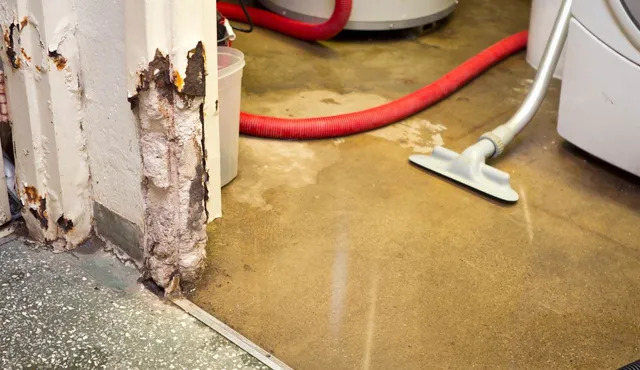
Flood water in Slidell’s older neighborhoods during storm events is Category 3 contaminated water without exception. The combination of canal system backflow, municipal drainage surcharge, and in some areas aging septic infrastructure that predates connection to municipal sewer systems produces flood water carrying pathogens, heavy metals, and organic contamination that standard cleaning cannot address.
In a home that has flooded repeatedly, this contamination history compounds in materials that were not fully decontaminated after previous events. Concrete slab surfaces that absorbed Category 3 water during Hurricane Katrina and subsequent events carry embedded contamination that reactivates when new flood water contacts the same surface. Structural wood components that survived previous events with partial treatment may have established biological activity that new moisture reactivates rapidly.
This is why flood clean up in Slidell’s repetitive flood zone properties requires assessment that goes beyond the current event and accounts for the building’s flood history:
- Historical moisture assessment using thermal imaging to identify zones with elevated baseline moisture that predates the current event
- Slab contamination evaluation at depth to determine whether surface decontamination is sufficient or whether the concrete substrate requires more aggressive treatment
- Structural material history review to identify previously affected elements where current flood exposure compounds rather than initiates damage
- Mold assessment as a first step rather than an afterthought, given that repetitive flood exposure properties almost always have established mold presence in concealed assemblies
What Proper Flood Clean Up Covers in an Older Slidell Home
Flood clean up that accounts for Slidell’s repetitive flooding reality involves a more thorough assessment and more conservative material retention decisions than a single-event approach:
- Category 3 protocols from the first step with full crew PPE and containment measures appropriate for contaminated water exposure
- Full historical moisture mapping distinguishing between current event saturation and pre-existing elevated moisture from prior floods
- Conservative material retention decisions for elements with documented repetitive flood exposure, where the cumulative contamination and structural impact exceeds what drying in place can adequately address
- Slab-level drying equipment specifically designed to address vapor drive from concrete that has absorbed moisture through multiple flood cycles
- Antimicrobial treatment calibrated for surfaces with contamination history rather than standard single-event decontamination protocols
- Extended monitoring until slab readings stabilize at acceptable levels accounting for the ongoing vapor contribution from still-saturated soil beneath a foundation that has been repeatedly wetted
- Complete documentation supporting both NFIP flood insurance and any homeowner coverage applicable to the event, with notation of pre-existing conditions where relevant to coverage determination
For context on how Category 3 contamination protocols differ from standard flood clean up approaches, our blog on Flood Clean Up in Covington LA covers the contamination assessment and decontamination standards that apply to all South Louisiana flood events. And for homeowners navigating NFIP claims alongside standard homeowner coverage after a Slidell flood event, our blog on Emergency Water Restoration in Slidell addresses the dual insurance documentation approach that protects your position with both carriers.
When Is It Time to Think Beyond Clean Up?
For Slidell homeowners in repetitive flood zone properties, each flooding event raises a practical question that flood clean up alone cannot answer. At what point does the cumulative structural impact of repeated flooding require a more comprehensive response than clean up and restoration of the existing structure?
This is not a question with a universal answer, but it is one worth asking with accurate information. A thorough flood clean up assessment that documents the cumulative structural condition of the home, the contamination history in key building elements, and the ongoing moisture management challenges of the specific lot and drainage context provides the factual foundation for that conversation.
We do not push homeowners toward any particular conclusion. We provide the assessment that makes the decision an informed one rather than a reactive one.
Slidell Has Flooded Before. It Will Flood Again. Here Is Who to Call.
Repetitive flooding in Slidell’s older neighborhoods is not a problem that any single flood clean up resolves permanently. But each event handled properly, with thorough contamination treatment, appropriate material decisions, and complete documentation, leaves the home in a better position to manage the next one than a clean up that prioritized speed over thoroughness.
PuroClean Emergency Restoration serves Slidell, Eden Isles, Northshore Estates, Oak Harbor, Lakeshore Estates, and surrounding eastern St. Tammany Parish communities around the clock. When flood water comes into your home, call (985) 590-6600. We know these neighborhoods, we understand their flooding history, and we will approach your home’s clean up with the full picture of what it has been through, not just what happened this time.