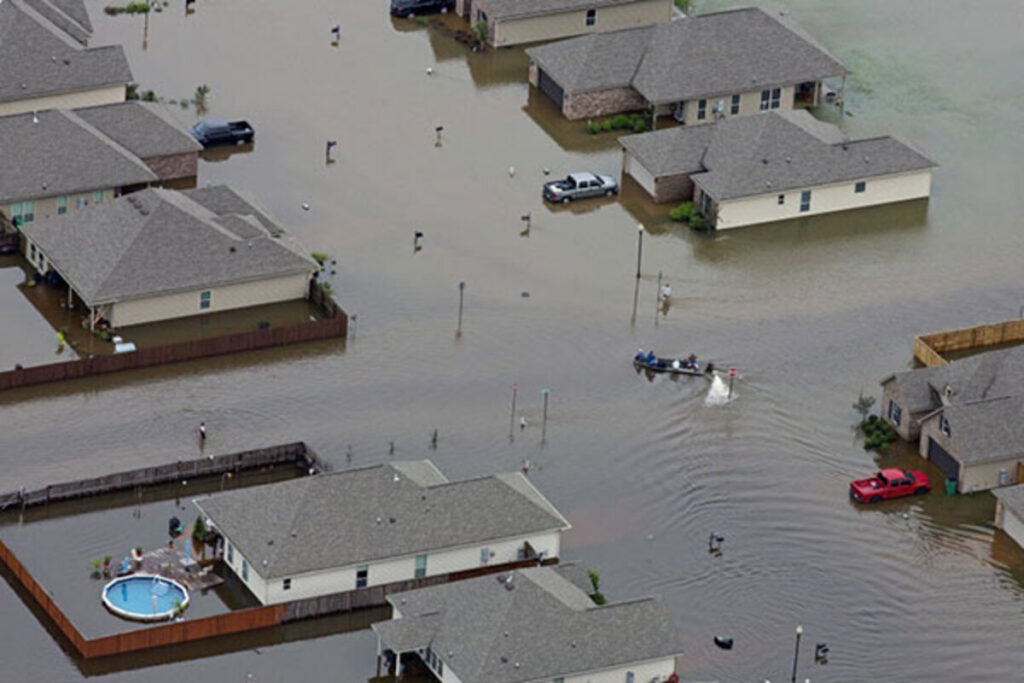
The Subdivision That Was Never Supposed to Flood
Covington has grown substantially over the past fifteen years. The subdivisions that developed along the Highway 190 corridor, south of I-12, and in the newer residential areas on the outer edges of St. Tammany Parish were marketed to buyers as modern, well-drained communities with contemporary drainage infrastructure. Many buyers chose these neighborhoods specifically because they were not in the flood zones that defined older parts of the parish.
Then a series of tropical systems and atmospheric rainfall events delivered water volumes that exceeded what even well-designed modern drainage systems could handle, and a significant number of Covington homeowners experienced their first-ever flood damage event. No prior experience with the process. No flood insurance because the FEMA maps said they did not need it. And no frame of reference for what flood damage restoration actually involves or how to navigate the recovery.
This blog is written specifically for those homeowners. If you are dealing with flood damage in a Covington property that has never flooded before, here is what you need to know to get through the restoration process correctly.
Why First-Time Flooding Is Often the Most Damaging
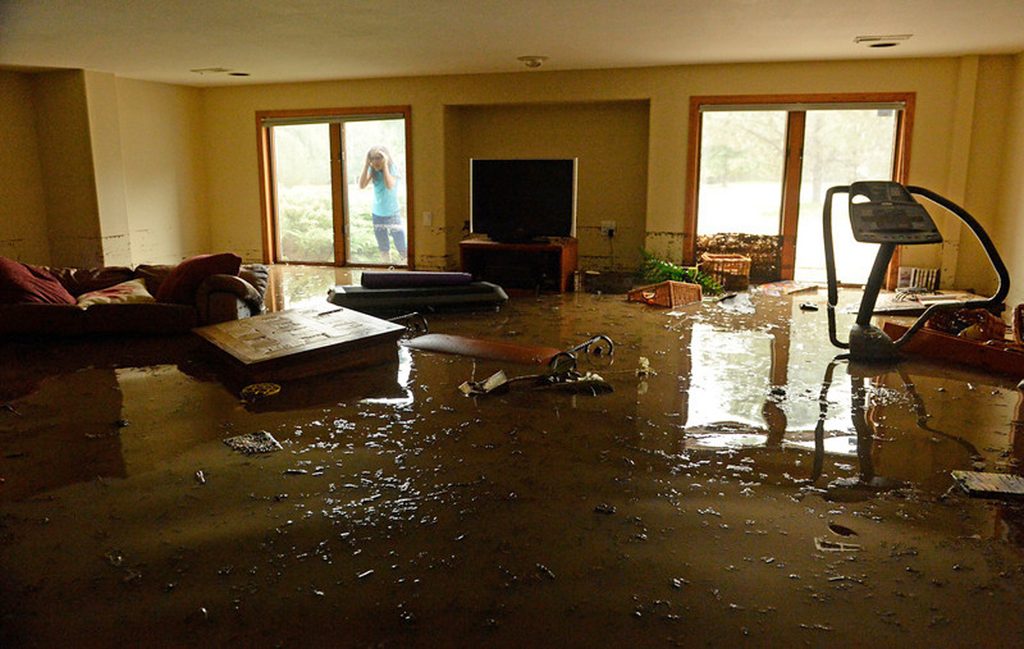
The phrase first-time flooding has a counterintuitive implication. A home that has flooded before has often been retrofitted with flood-resistant modifications: hard surface flooring, elevated electrical panels, flood vents in the foundation, furnishings the owner knows to raise quickly. A home that has never flooded has none of those adaptations, and the flood damage restoration scope reflects it.
Original carpet and pad installed throughout a ground floor absorbs floodwater at a volume that hard tile or vinyl plank does not. Built-in cabinetry at floor level saturates completely. Electrical components at standard residential height that were never expected to contact water get reached. And contents that a veteran flood homeowner would have moved above the projected water line remain at floor level because the owner did not believe flooding was possible.
First-time flood damage restoration in Covington’s newer subdivisions therefore tends to involve more extensive contents loss, more saturated finished materials requiring removal, and a longer overall restoration timeline than the same water volume would produce in a property adapted for flood resilience over previous events.
The FEMA Map Problem and What It Means for Your Flood Damage Restoration Claim
Many Covington homeowners in newer subdivisions declined flood insurance because their property sat outside the FEMA Special Flood Hazard Area designation. FEMA maps are updated periodically but do not reflect real-time changes in drainage capacity, development-induced runoff, or climate shifts that have altered the flood risk profile of many St. Tammany Parish neighborhoods in the past decade.
A property outside the FEMA flood zone that floods anyway is not covered by the standard homeowner’s insurance policy for the flood event itself. Standard homeowner’s policies cover sudden and accidental water damage from internal sources but exclude flooding from external surface water. Without a separate NFIP or private flood insurance policy, the flood damage restoration costs fall entirely on the homeowner.
This is the conversation most first-time flood homeowners in Covington’s newer subdivisions are having in the days after a flood event. What matters at that point is making the most effective decisions possible about the flood damage restoration process, because those decisions affect both the immediate recovery outcome and any partial coverage that does exist under homeowner’s policies for internally sourced water damage that may have occurred alongside the external flooding.
What Flood Damage Restoration Involves When You Have Never Done This Before
The instinct for a first-time flood homeowner is to start removing wet materials and drying things out as quickly as possible. That instinct is not wrong in its urgency, but it needs professional direction to avoid two consistent mistakes that make the flood damage restoration process longer and more expensive.
The first mistake is disposing of damaged materials before documentation is complete. Everything that was damaged in the flood event is part of the loss record that determines the scope of any available insurance or assistance claim. Removing and disposing of materials before they have been photographed, inventoried, and assessed reduces the documented loss and the recovery resources available.
The second mistake is beginning superficial drying without professional moisture assessment. Fans running in a flooded room move air across wet surfaces and produce the appearance of drying progress while moisture continues to sit in wall cavities, under slabs, and inside subfloor assemblies that surface airflow does not reach. Flood damage restoration that closes out based on visible drying without professional moisture readings in structural materials produces the mold problem that appears six weeks later and costs significantly more than the original professional restoration would have.
The Flood Damage Restoration Process Step by Step
• Comprehensive moisture mapping using thermal imaging to identify all saturated zones including walls, subfloor, and below-slab areas before any work begins
• Water category confirmation establishing whether the flood involved clean surface water, gray water from drainage backup, or category 3 contaminated water from sewage surcharge
• Complete photographic documentation of all affected areas and damaged contents before any removal begins
• Controlled demolition of unsalvageable materials including saturated carpet, pad, drywall, and insulation with full documentation of each item removed
• Commercial water extraction from flooring systems, wall cavities, and any below-grade spaces where water collected
• Antimicrobial decontamination of all surfaces that contacted category 2 or category 3 water
• Commercial drying equipment deployment calibrated for Louisiana’s ambient humidity, not standard residential setpoints
• Daily moisture monitoring with written logs at every measurement point through the full drying cycle
• Clearance verification confirming structural materials have reached acceptable moisture levels before reconstruction begins
SBA Disaster Loans and FEMA Individual Assistance for Uninsured Covington Homeowners
First-time flood homeowners in Covington without flood insurance have access to two primary recovery resource programs when the flooding event was part of a federally declared disaster, which St. Tammany Parish has qualified for in multiple recent events.
FEMA Individual Assistance provides grants for essential home repairs and temporary housing to homeowners in declared disaster areas who have uninsured flood losses. These grants require application within the registration window and documentation of the uninsured losses. Professional flood damage restoration documentation supports the FEMA IA application and maximizes the grant amount available.
SBA disaster loans provide low-interest loan funding for homeowners to repair physical damage beyond what FEMA grants cover. SBA applications similarly require thorough loss documentation that professional flood damage restoration generates as a standard component of the job.
You Have Never Been Through This. We Have.
PuroClean Emergency Restoration responds to flood damage restoration calls throughout Covington and St. Tammany Parish around the clock. If this is your first flood event and you are not sure where to start, start with one call. We will walk you through the documentation process, assess the full scope of the damage, explain exactly what flood damage restoration involves and how long it takes, and help you navigate whatever insurance and assistance resources apply to your situation. Call (985) 590-6600 any hour of the day or night.