


The First Hour After Floodwater Enters a Home
Flooding does not always arrive dramatically. Sometimes it creeps in through doors, garages, or foundation openings. Sometimes it rises from outside faster than expected. In Covington, LA, heavy rainfall and storm systems can overwhelm drainage in a short period of time.
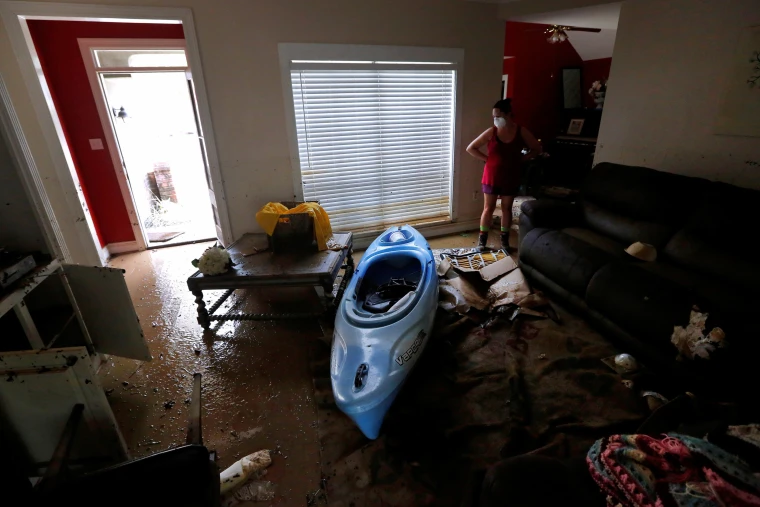
During the first hour, floodwater begins soaking into everything it touches. Floors absorb moisture. Baseboards wick water upward. Furniture legs sit submerged. What looks like shallow water at first is already changing the condition of the structure beneath it.
Flood damage restoration starts with understanding that this early phase sets the tone for everything that follows.
Floodwater Is Not Just Water
Floodwater is different from a broken pipe or appliance leak. It often carries debris, contaminants, and bacteria picked up along the way. Once floodwater enters a home, it spreads contamination as it moves.
Floodwater commonly introduces:
- Soil and organic debris
- Bacteria and microorganisms
- Pollutants from outside surfaces
- Odors that embed into materials
Because of this, flood damage restoration focuses not only on drying but also on cleaning and sanitizing affected areas properly.
What Happens Overnight If Flood Damage Is Left Untouched
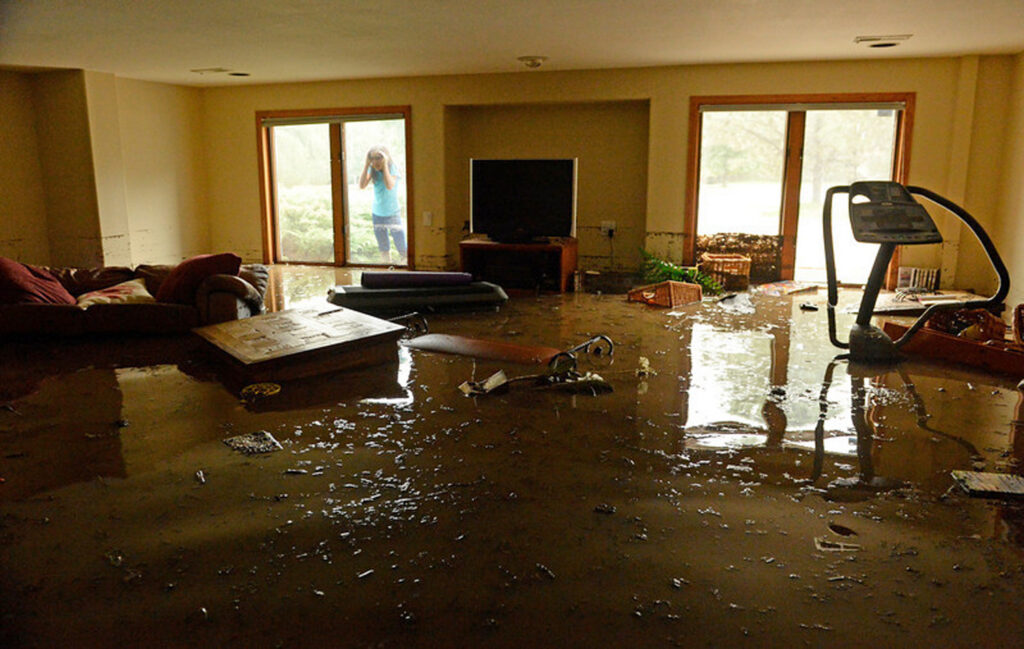
The most dangerous flood damage often develops after the water stops rising. When floodwater sits overnight, materials continue absorbing moisture even if water levels appear unchanged.
Over the next 12 to 24 hours:
- Drywall softens and loses strength
- Wood framing begins to swell
- Flooring adhesives weaken
- Insulation traps moisture
- Humidity rises throughout the home
At this stage, flood damage restoration becomes more complex because moisture has moved deeper into the structure.
The Mistake Many Homeowners Make After Flooding
A common assumption is that removing visible water solves most of the problem. Pumps and shop vacuums may remove standing water, but they do not address moisture locked inside materials.
What often gets missed:
- Water behind walls
- Saturated subfloors
- Moisture under cabinets
- Damp insulation
- Humidity trapped in enclosed spaces
Flood damage restoration requires moisture detection and controlled drying, not just surface cleanup.
How Flood Damage Restoration Actually Begins
Flood damage restoration does not start with repairs. It starts with stabilization.
We begin by assessing how far floodwater traveled and which materials were affected. Moisture meters and thermal imaging allow us to map the true footprint of flooding, including areas that never visibly pooled water.
From there, the focus is on:
- Removing remaining water
- Controlling humidity
- Preventing secondary damage
- Creating conditions where drying can occur safely
Only once the environment is stabilized can restoration move forward effectively.
Drying a Flooded Home Is a Controlled Process
Flood drying is not about speed alone. It is about balance. Too little airflow traps moisture. Too much airflow without dehumidification can spread humidity.
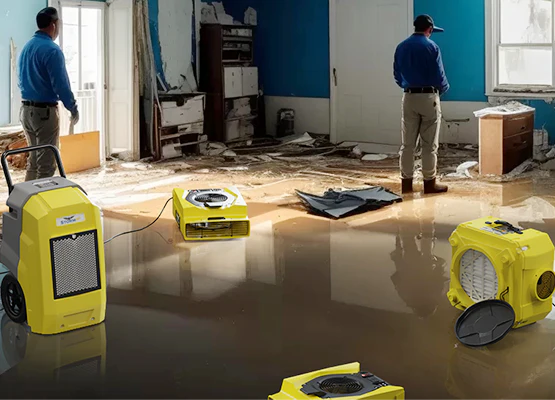
Professional flood damage restoration uses:
- Strategic air movement
- High-capacity dehumidification
- Continuous moisture monitoring
- Adjustments based on material response
This controlled process protects structural materials while preventing mold growth.
The Hidden Timeline of Mold After Flooding
In Covington’s climate, mold does not take long to appear. Once floodwater saturates materials, mold growth can begin within 24 to 48 hours if drying is incomplete.
Flood damage restoration helps interrupt that timeline by:
- Removing moisture quickly
- Lowering indoor humidity
- Eliminating wet materials that cannot be saved
- Cleaning and sanitizing affected surfaces
Stopping mold before it starts is always easier than dealing with full remediation later.
Flood Damage Does Not End at the Floor
Many homeowners focus on what floodwater touched directly, but flood damage often climbs upward.
Water moves into:
- Wall cavities
- Electrical pathways
- Insulation layers
- HVAC returns and ductwork
If these areas are not addressed, problems may surface weeks or months later in the form of odors, air quality issues, or structural deterioration.
Why Local Flood Experience Matters
Flooding in Covington is shaped by local terrain, rainfall patterns, and infrastructure. A flood damage restoration plan that works elsewhere may not fully address conditions here.
Local knowledge allows us to:
- Anticipate moisture behavior
- Address humidity challenges
- Identify common flood entry points
- Adjust drying strategies accordingly
Flood damage restoration is most effective when it is tailored to the environment where it occurs.
Serving Covington and Surrounding Louisiana Communities
PuroClean Emergency Restoration provides flood damage restoration services throughout Covington, LA and nearby communities. We respond with a clear understanding of how floodwater affects homes in South Louisiana and how quickly conditions can change if moisture is not controlled.
Our goal is not just to remove water, but to restore stability and confidence in the space.
Reclaiming a Home After Flooding
Flooding disrupts more than property. It disrupts routines, comfort, and peace of mind. Flood damage restoration is about regaining control after water has altered your living space. With proper assessment, controlled drying, and professional care, flood damage becomes a problem that can be resolved rather than endured. If your Covington property has experienced flooding, reaching out for a professional evaluation allows the recovery process to begin with clarity, direction, and a plan designed for long-term results.