 PuroClean Emergency Restoration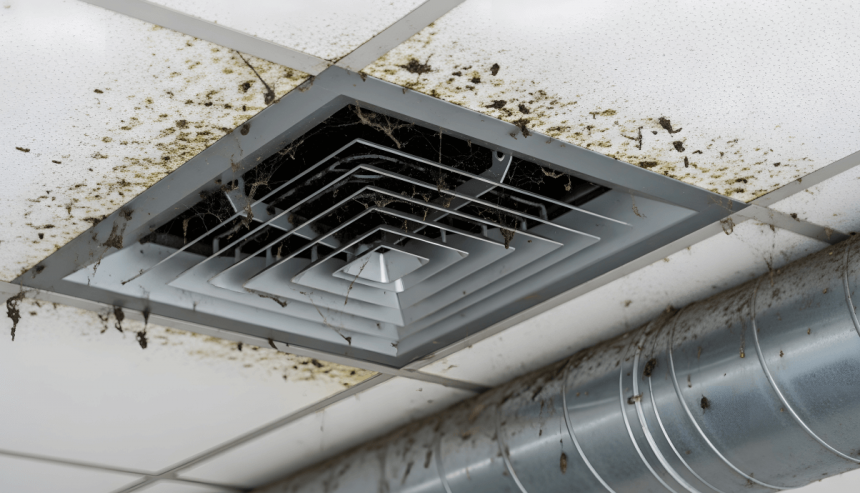
Why South Louisiana’s Climate Turns Air Conditioning Into a Mold Distribution Network
Most Covington homeowners look for mold on walls, under sinks, and in bathrooms. Very few think to look inside the system that moves air through every room in the house, until the smell from the vents makes it impossible to ignore.
HVAC systems in South Louisiana run harder and longer than almost anywhere else in the country. That continuous operation, combined with St. Tammany Parish’s humidity levels, creates conditions inside ductwork and air handlers that mold finds genuinely ideal. When mold establishes itself inside an HVAC system, it stops being a localized problem. Every time the system runs, it becomes a whole-house problem.
Why HVAC Systems in Louisiana Are Especially Vulnerable
The air handler and evaporator coil in your system produce condensation as a normal byproduct of cooling humid Louisiana air. That moisture is supposed to drain away through the condensate line. When that line clogs, and in Covington’s climate it clogs regularly, water backs up and sits against the coil, the drain pan, and the surrounding insulation.
That combination of darkness, organic material, and standing moisture is exactly what mold needs to establish a colony. From there, the air flowing across the coil carries spores through every duct in the home.
Common signs that mold has reached your HVAC system:
- Musty smell that appears specifically when the system turns on
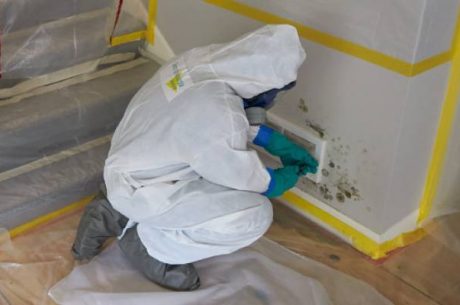
- Visible dark spotting around supply vents or on vent covers
- Allergy-like symptoms among occupants that worsen indoors
- Visible moisture or staining around the air handler cabinet
What Mold Removal From an HVAC System Actually Involves
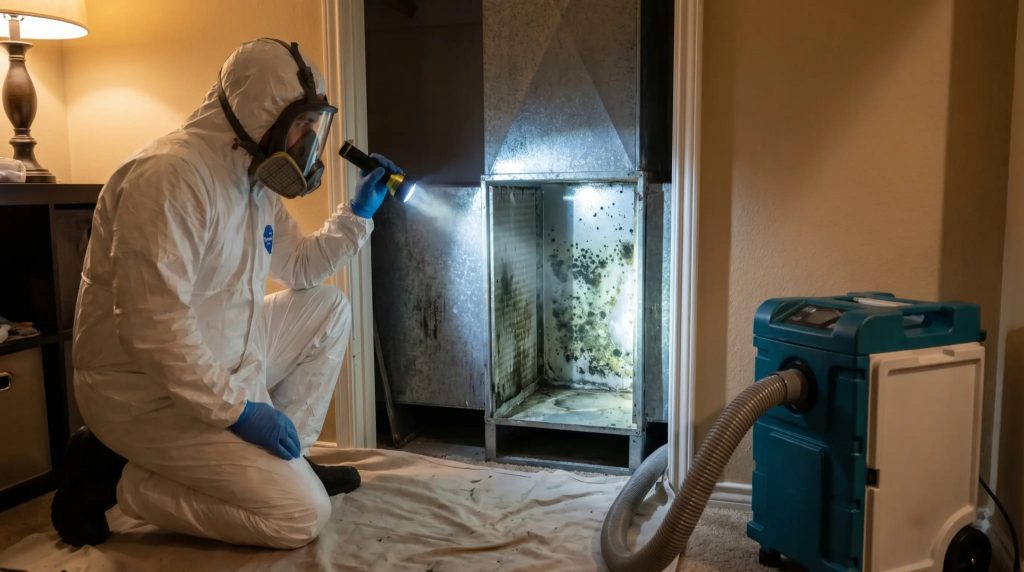
Cleaning vent covers is not mold removal. Effective remediation of an HVAC-related mold problem requires:
- Full system inspection including the air handler, evaporator coil, drain pan, and accessible ductwork
- Condensate line clearing and correction to eliminate the moisture source before any remediation begins
- Antimicrobial treatment of the coil, drain pan, and affected duct surfaces using EPA-registered products
- HEPA air scrubbing during the process to capture spores disturbed during cleaning
- Assessment of adjacent materials including insulation around the air handler that may have absorbed moisture from the overflow
- Clearance verification to confirm spore levels have returned to acceptable baseline before the system is returned to normal operation
Skipping the moisture source correction, the condensate line, guarantees the problem returns. We do not skip it.
One More Thing Worth Knowing
If your home has had any water damage event in the past, a pipe leak, a roof intrusion, any flooding, and the HVAC system was running during or after that event, the ductwork should be inspected for mold regardless of whether you have noticed symptoms. In Louisiana’s climate, the window between a water event and active mold growth in a running HVAC system is short.
That Smell When the AC Kicks On? It Is Not Normal.
Air conditioning in Covington should smell like nothing. If yours smells like anything at all, something is living in it.
Call PuroClean Emergency Restoration at (985) 590-6600 or reach out online. We serve Covington, Mandeville, Madisonville, and throughout St. Tammany Parish, any hour, any day. Let us find it before it finds its way into every corner of your home.
 PuroClean Emergency Restoration