 PuroClean Emergency Restoration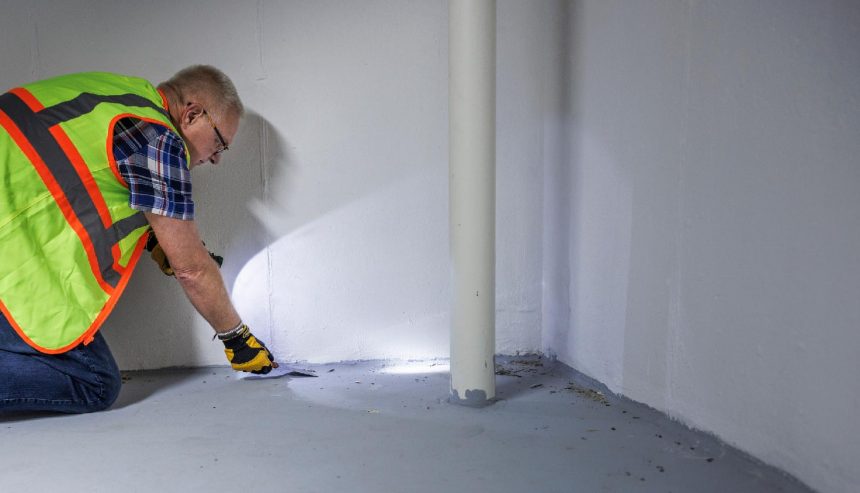
Understanding the Problem of Hidden Mold
Mold is one of those silent problems that can go unnoticed for weeks or even months. It thrives in damp, dark, and poorly ventilated spaces, spreading quickly behind walls, under flooring, or inside HVAC systems. While some types of mold are easy to spot, others grow out of sight, gradually releasing spores that affect both your indoor air quality and your health.
At PuroClean Emergency Restoration, we often help homeowners in Covington, LA, who are surprised to learn that what seemed like a small moisture issue was actually widespread mold contamination. Hidden mold not only damages the structure of your home but can also cause respiratory problems, allergic reactions, and other health issues. Knowing how to identify the early signs of mold can make all the difference in protecting your property and your family.
Why Mold Grows in the First Place
Mold spores are everywhere in the environment, but they only become a problem when moisture and organic material come together. Common sources of excess moisture include leaky roofs, broken pipes, high humidity, or water damage from floods. Once moisture is present, spores attach to materials like wood, drywall, and carpeting and begin to multiply.
Mold growth is particularly common in basements, attics, bathrooms, and kitchens, areas that tend to trap moisture and lack proper ventilation. Even a small leak that goes unnoticed for a few days can create ideal conditions for mold to thrive.
If left untreated, mold can spread rapidly, damaging walls, ceilings, insulation, and even the structure of your home. The longer it remains, the harder and more expensive it becomes to remove.
Common Signs You Might Have Hidden Mold
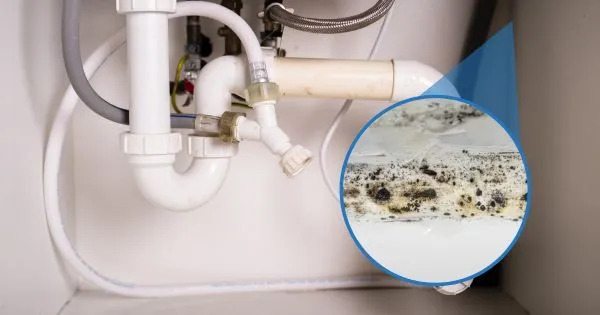
You don’t always need to see mold to know it’s there. In many cases, hidden mold reveals itself through subtle warning signs that indicate moisture or contamination beneath the surface.
1. Persistent Musty Odors
One of the most obvious signs of hidden mold is a persistent musty smell, often strongest in enclosed areas like basements, attics, or behind walls. This odor is caused by microbial volatile organic compounds (mVOCs) released as mold grows. If the smell lingers even after cleaning, it’s likely coming from mold colonies you can’t see.
2. Unexplained Allergies or Health Symptoms
If you or your family members experience sneezing, coughing, itchy eyes, or headaches that seem to worsen indoors, mold may be the cause. Mold spores and fragments can circulate through the air, triggering allergic reactions or asthma symptoms. These effects are often most noticeable when the HVAC system runs, spreading spores throughout the home.
3. Discoloration on Walls or Ceilings
Mold doesn’t always appear as the classic black patches people expect. It can also look like gray, green, or brown stains that slowly spread over time. Even bubbling or cracking paint can indicate moisture behind the wall, signaling possible mold growth underneath.
4. Soft or Warped Surfaces
If drywall or flooring feels soft, spongy, or warped, it could be a sign that water has been trapped beneath the surface for an extended period. This moisture provides the perfect breeding ground for hidden mold colonies.
5. Recent Water Damage
Any time your property experiences flooding, plumbing leaks, or roof damage, mold should be a concern. Even if surfaces appear dry, moisture can seep into materials where mold begins to grow within 24 to 48 hours.
Why Hidden Mold Is a Serious Health Risk
Mold exposure can cause a wide range of health issues, especially for those with allergies, asthma, or weakened immune systems. The most common symptoms include nasal congestion, skin irritation, coughing, and eye inflammation. Some species, such as Stachybotrys chartarum (commonly known as black mold), can produce mycotoxins that lead to more severe reactions.
Prolonged exposure to mold-contaminated air can cause fatigue, dizziness, or respiratory infections. Children and the elderly are particularly sensitive, as their respiratory systems are more vulnerable to airborne pollutants.
Even if you don’t experience noticeable symptoms, mold contamination affects your home’s air quality and can spread to other areas through ventilation systems. This is why it’s critical to address mold as soon as it’s discovered.
Why DIY Mold Removal Can Make Things Worse
When homeowners discover mold, their first instinct is often to try cleaning it themselves using bleach or household cleaners. However, this approach rarely solves the problem and can sometimes make it worse.
Bleach may remove surface stains but doesn’t penetrate porous materials like drywall or wood, where mold roots remain alive. In addition, disturbing mold without proper containment can release spores into the air, spreading contamination to other parts of the home.
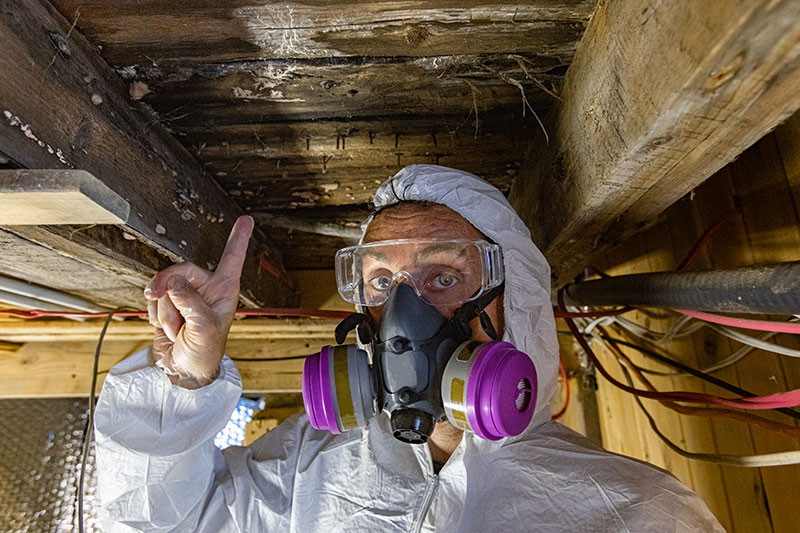
Professional mold remediation requires specialized equipment, containment procedures, and air filtration systems to ensure complete and safe removal. At PuroClean Emergency Restoration, our technicians follow industry-approved methods to isolate affected areas, remove contaminated materials, and restore indoor air quality.
The Professional Mold Remediation Process
Removing mold safely and effectively requires a step-by-step process that eliminates both visible and hidden contamination.
1. Inspection and Testing
Professionals begin by identifying the source of moisture and mapping out the extent of mold growth using moisture meters, infrared cameras, or air sampling equipment.
2. Containment and Air Filtration
To prevent spores from spreading, containment barriers and negative air pressure systems are set up around affected areas. HEPA filtration captures airborne particles, ensuring the rest of your home remains clean.
3. Removal of Contaminated Materials
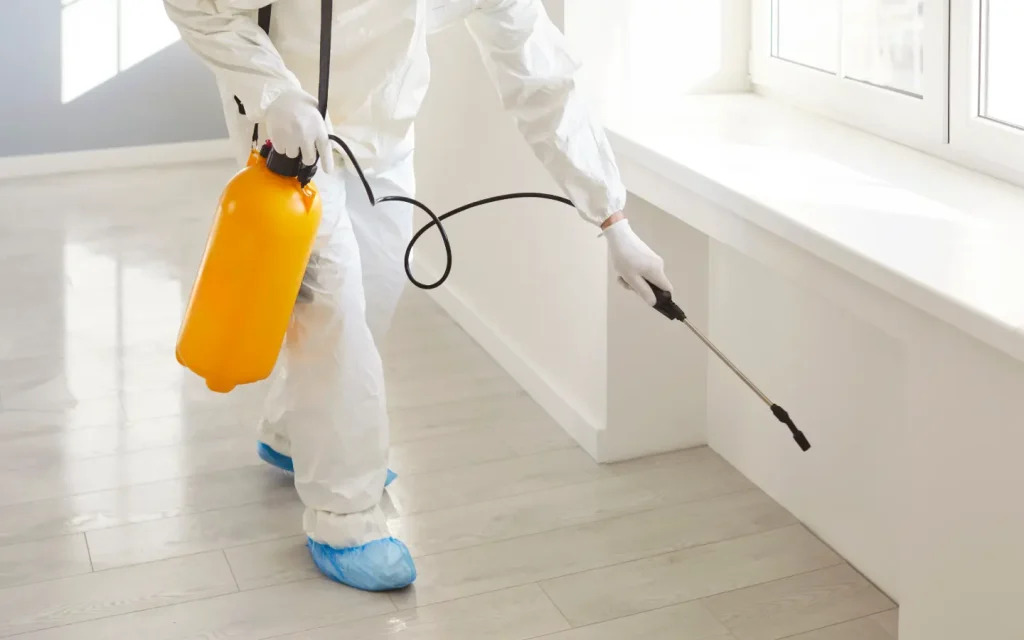
Porous materials such as drywall, insulation, and carpeting that have been heavily contaminated are removed and properly disposed of. Non-porous surfaces are treated with antimicrobial cleaning solutions.
4. Drying and Dehumidification
The underlying moisture source is addressed through drying and dehumidification to prevent future growth.
5. Cleaning and Restoration
After the mold has been removed, surfaces are cleaned, sanitized, and repaired as needed. Air quality testing confirms that the environment is safe for re-entry.
When to Call a Professional
If you notice multiple signs of mold or have recently experienced water damage, it’s best to contact a professional mold remediation company right away. Professional inspection can determine whether mold is present behind walls or under floors and identify the cause of moisture.
You should also call professionals if:
- The affected area is larger than 10 square feet.
- Mold has entered your HVAC or duct system.
- You smell mold but can’t locate its source.
- You or your family are experiencing health symptoms.
Delaying action only allows mold to spread further, increasing both health risks and restoration costs.
Protecting Your Home from Future Mold Growth
Once remediation is complete, prevention is key. Keeping humidity levels below 50 percent, improving ventilation, and repairing leaks promptly are simple but effective steps to prevent future outbreaks. Regular inspections of your roof, plumbing, and basement can also catch early signs of moisture before mold takes hold.
Installing a dehumidifier in damp areas like basements and attics can make a big difference in keeping your home mold-free. For ongoing peace of mind, PuroClean Emergency Restoration offers moisture control and inspection services to help homeowners maintain a healthy, mold-free environment year-round.
Trust PuroClean Emergency Restoration for Expert Mold Remediation
Hidden mold is more than just a nuisance, it’s a threat to your health, your property, and your peace of mind. When you suspect mold in your home, trust the professionals at PuroClean Emergency Restoration to handle the problem safely and effectively.
Our certified technicians use advanced detection tools, containment systems, and industry-leading remediation techniques to remove mold at its source and restore a clean, healthy environment. We proudly serve Covington, LA, and surrounding areas with comprehensive mold remediation and inspection services.
Contact PuroClean Emergency Restoration today for expert mold removal and inspection services. Let us help you protect your home and your health with trusted, professional care.
 PuroClean Emergency Restoration