


What the North Shore’s Historic Boating Community Needs When Water Damage Strikes on Land
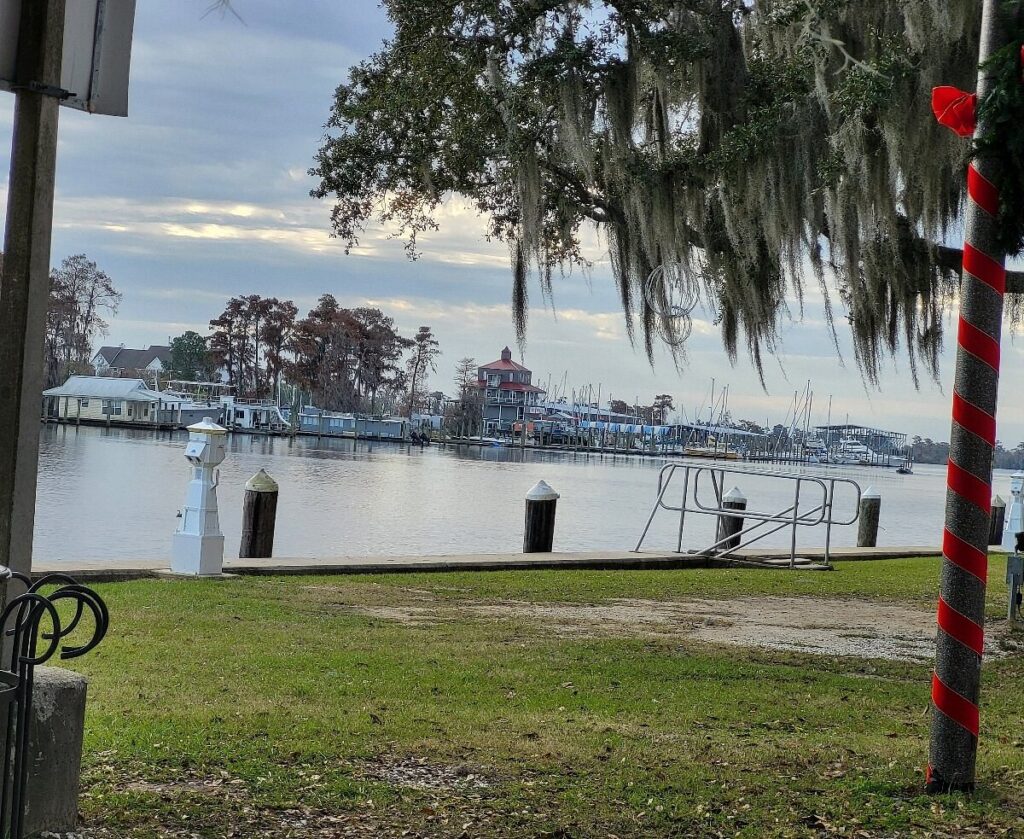
Madisonville has been a working waterfront community since the early 19th century. The Tchefuncte River’s navigable connection to Lake Pontchartrain made this small town a natural center for boatbuilding, fishing, and marine trade that shaped its identity long before the North Shore became a bedroom community for New Orleans professionals. That maritime heritage is still visible today in the wooden boat festival that draws visitors from across the region, in the historic boatyards along the river, and in the working marinas that anchor the downtown waterfront.
It is also visible in the unique mix of residential and commercial properties that line the Tchefuncte corridor, where waterfront lots support combinations of living space, workshop, storage, and marine access that create water damage restoration scenarios unlike anything in Covington, Mandeville, or anywhere else in St. Tammany Parish.
When water damage occurs in Madisonville, the restoration response needs to understand this community’s specific character. At PuroClean Emergency Restoration, we serve Madisonville and the broader North Shore around the clock, and we know what water damage restoration in this particular town actually requires.
How Waterfront Property Construction Shapes Water Damage Restoration
Madisonville’s waterfront and near-waterfront properties were built with a practical relationship to water that inland residential construction does not share. Bulkheads, boat lifts, marine electrical systems, and waterfront structures that serve both residential and working purposes create a property type that standard water damage restoration assessment protocols were not designed around.
Residential structures on waterfront lots in Madisonville frequently include features that complicate water damage restoration in specific ways.
Marine-grade construction materials used in waterfront structures, including pressure-treated lumber, composite decking, and fiberglass components, respond to water damage events differently from standard residential materials. Moisture assessment equipment calibrated for standard dimensional lumber produces inaccurate readings on pressure-treated wood, leading to restoration decisions based on incorrect data.
Below-grade boat storage and workshop spaces in properties with direct river access create enclosed low-ventilation environments where water intrusion events produce rapid humidity spikes that affect adjacent residential spaces through shared wall assemblies. Water damage restoration that addresses the residential portion without assessing the below-grade marine storage produces incomplete results when the moisture source is in the connected working space.
Mixed electrical systems combining standard residential wiring with marine electrical infrastructure create safety assessment requirements during water damage restoration that a purely residential property does not present. Marine electrical systems have specific grounding and corrosion protection requirements that affect how water-damaged electrical components are evaluated and whether they can be restored versus requiring replacement.
The Tidal Water Table and Water Damage Restoration in Madisonville
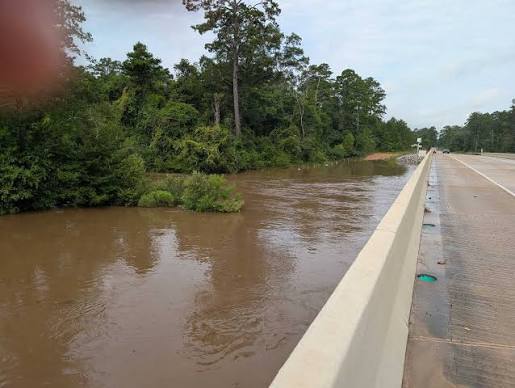
The Tchefuncte River’s tidal character creates a water damage restoration challenge in Madisonville that inland properties simply do not face. The water table beneath waterfront and near-waterfront lots in Madisonville rises and falls with the tidal cycle, meaning that properties in this zone experience ongoing ground moisture variation that directly affects foundation systems, crawl spaces, and below-grade areas regardless of whether a specific water event has occurred.
When an acute water damage event, a plumbing failure, a roof intrusion, or a storm-related flooding, occurs in a Madisonville waterfront property, the restoration drying process operates against this background of tidal moisture variation rather than in a stable ground moisture environment.
The practical consequence is that water damage restoration clearance readings taken at one point in the tidal cycle may not accurately represent conditions at another point. A property that reads at acceptable moisture levels during low tide may show elevated readings six hours later as the tidal water table rises and drives vapor upward through the foundation system. Water damage restoration that does not account for this variation produces drying certifications that reflect a favorable moment rather than the property’s actual sustained condition.
Our water damage restoration monitoring in Madisonville waterfront properties includes readings taken across the tidal cycle rather than at a single point, ensuring that clearance documentation reflects the property’s actual condition throughout the full moisture range it experiences.
Common Water Damage Sources in Madisonville’s Waterfront Properties
Madisonville’s specific combination of residential and marine use creates water damage sources that inland properties do not encounter:
- Bulkhead and seawall failures that allow river or lake water to migrate laterally beneath the lot and enter below-grade spaces through foundation penetrations
- Boat lift and marine electrical system failures where corroded or damaged marine wiring creates arc or heat events that affect adjacent structures
- Storm surge through low-lying waterfront lots where the lot elevation provides insufficient protection against significant Tchefuncte River surge events during tropical systems
- Condensation in covered boat storage where temperature differential between river air and enclosed storage spaces produces sustained condensation on structural surfaces
- HVAC system failures in residential structures where marine environment accelerated corrosion has compromised condensate drainage components faster than standard residential service schedules anticipate
Each of these sources requires assessment that accounts for the marine environment context rather than applying standard residential water damage restoration protocols without adjustment.
What Water Damage Restoration Covers in a Madisonville Waterfront Property
Effective water damage restoration in Madisonville’s waterfront and marine-adjacent properties addresses the full scope of what these distinctive properties present:
- Marine environment safety assessment of electrical systems before any crew enters water-affected areas of a property with marine electrical infrastructure
- Material-specific moisture assessment using protocols appropriate for pressure-treated lumber, composite materials, and other marine-grade construction components
- Tidal cycle monitoring throughout the drying process to confirm clearance readings reflect sustained conditions rather than favorable tidal snapshots
- Below-grade marine storage assessment as a standard component of any water damage event in a property with connected workshop or boat storage spaces
- Mold assessment as an early priority given Madisonville’s chronic ambient moisture conditions and the compressed mold development timeline in waterfront environments
- Complete insurance documentation supporting claims that accurately characterize the marine environment context affecting both the damage event and the restoration requirements
Water Damage Restoration and Madisonville’s Historic Structures
Beyond the working waterfront properties, Madisonville’s residential neighborhoods include historic structures with construction characteristics that predate modern building standards and that require water damage restoration approaches calibrated for what they are actually built from.
Original cypress framing, heart pine flooring, and plaster wall systems common in Madisonville’s older homes absorb and release moisture at rates and depths that modern construction materials do not. Water damage restoration protocols designed for drywall and engineered wood consistently underestimate the drying requirements for these historical materials, producing incomplete results that lead to secondary mold problems in the dense structural components that the drying equipment did not adequately address.
Our water damage restoration approach in Madisonville’s historic residential properties accounts for these material characteristics explicitly, with extended monitoring periods, material-specific drying targets, and clearance standards appropriate for the dense old growth materials that define the town’s architectural heritage.
Madisonville Knows Water. So Do We.
This is a town that has had a working relationship with water for two centuries. The people who live and work here understand the river, respect its influence, and know that managing that relationship well is part of what it means to be part of this community.
Water damage restoration in Madisonville deserves the same respect for what this place actually is. Not a generic restoration response applied regardless of the tidal cycle, the marine construction context, or the historical materials involved. A response that accounts for all of it, from a team that is genuinely local and genuinely familiar with the North Shore’s most distinctive waterfront community.
PuroClean Emergency Restoration serves Madisonville, Covington, Mandeville, Abita Springs, and throughout St. Tammany Parish around the clock. When water damage strikes in Madisonville, call (985) 590-6600. We know this town, we know the river, and we know what water damage restoration here actually requires.