


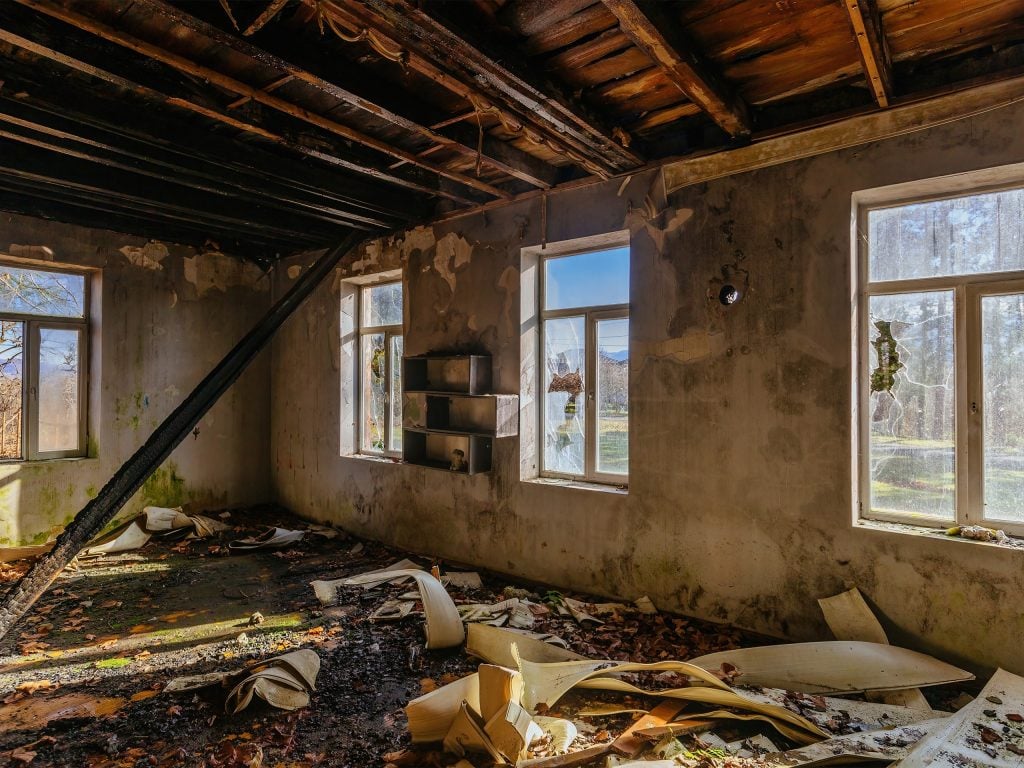
Fire Damage Continues After the Flames Are Out
When a fire is extinguished, many property owners believe the damage process has ended. In reality, fire damage continues long after the flames are gone. Smoke particles remain suspended in the air, soot settles on surfaces, and water from firefighting efforts saturates materials throughout the structure. In Covington and surrounding areas, warm temperatures and humidity further accelerate the breakdown of materials following a fire.
Emergency fire restoration exists to stop this ongoing damage. Without immediate intervention, residues left behind continue to corrode surfaces, compromise indoor air quality, and weaken structural components.
How Smoke Moves Through a Structure
Smoke spreads rapidly through a property, traveling through open doorways, wall cavities, and HVAC systems. Even rooms untouched by flames often absorb smoke residue. These particles cling to walls, ceilings, furniture, and personal belongings.
Smoke residue is acidic and begins damaging materials almost immediately. Emergency fire restoration focuses on locating smoke affected areas and removing residue before it permanently stains surfaces or causes persistent odors.
Soot Creates Ongoing Surface Damage
Soot is a byproduct of incomplete combustion and varies based on what materials burned. Different types of soot require different cleaning methods. If soot is not removed quickly, it continues to etch into finishes, discolor walls, and corrode metal surfaces.
Emergency fire restoration includes identifying soot type and applying the correct removal process. Improper cleaning can spread soot further or embed it deeper into porous materials, making restoration more difficult.
Water Damage From Firefighting Efforts
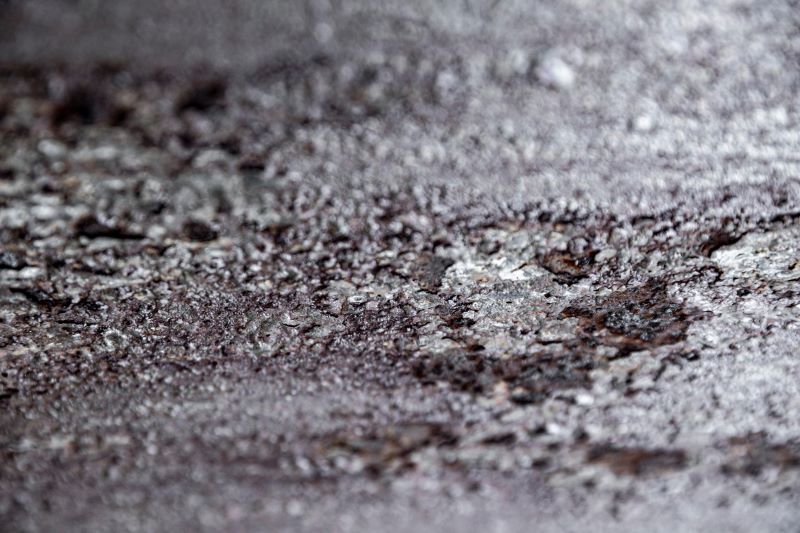
Water used to extinguish a fire introduces a second layer of damage. Flooring, drywall, insulation, and framing absorb water quickly. In South Louisiana’s climate, this moisture lingers and creates ideal conditions for secondary damage.
Emergency fire restoration often includes emergency water restoration to remove moisture and prevent further deterioration. Drying and dehumidification are critical to stabilizing the structure and reducing the risk of mold growth.
Odors Are a Sign of Deeper Contamination
Smoke odors persist because particles penetrate deep into porous materials. Fabrics, insulation, drywall, and wood absorb odor causing compounds. Ventilation alone does not eliminate these particles.
Emergency fire restoration uses specialized deodorization methods to neutralize odor at its source. Addressing odors early prevents them from returning weeks or months later.
Heat Weakens Materials Without Visible Burns
Extreme heat affects materials even if they did not ignite. Wood framing dries excessively and becomes brittle. Metal components may warp or expand. Electrical wiring insulation may degrade, creating potential safety hazards.
Emergency fire restoration includes evaluating heat affected areas to determine whether materials remain structurally sound. Identifying these issues early helps prevent future failures.
HVAC Systems Spread Contaminants
HVAC systems often circulate smoke and soot throughout a property during a fire. Ductwork becomes contaminated, distributing particles each time the system operates.
Emergency fire restoration addresses HVAC contamination to prevent ongoing exposure to smoke residue. Cleaning or isolating affected systems improves indoor air quality and prevents recontamination after restoration.
Structural Stability Must Be Assessed
Fire can compromise load bearing components even when visible damage appears limited. Beams, joists, and connections may weaken due to heat exposure or prolonged moisture contact.
Emergency fire restoration includes evaluating structural integrity to ensure the property is safe for occupancy. Addressing these concerns early prevents additional damage and ensures repairs are completed safely.
Delayed Restoration Increases Repair Costs
Delaying emergency fire restoration allows damage to progress. Smoke residue bonds more tightly to surfaces. Moisture penetrates deeper into materials. Structural components weaken further.
Prompt restoration reduces the scope of repairs and improves recovery outcomes. Acting quickly often preserves materials that would otherwise require replacement.
Coordinating Fire Restoration With Other Services
Emergency fire restoration often overlaps with other restoration needs. Water damage, smoke contamination, and structural repairs must be addressed in the correct order. Coordinating these efforts ensures the property is fully stabilized and restored.
A structured restoration process prevents missed issues and reduces the likelihood of recurring problems.
Fire Restoration Restores Safety and Comfort
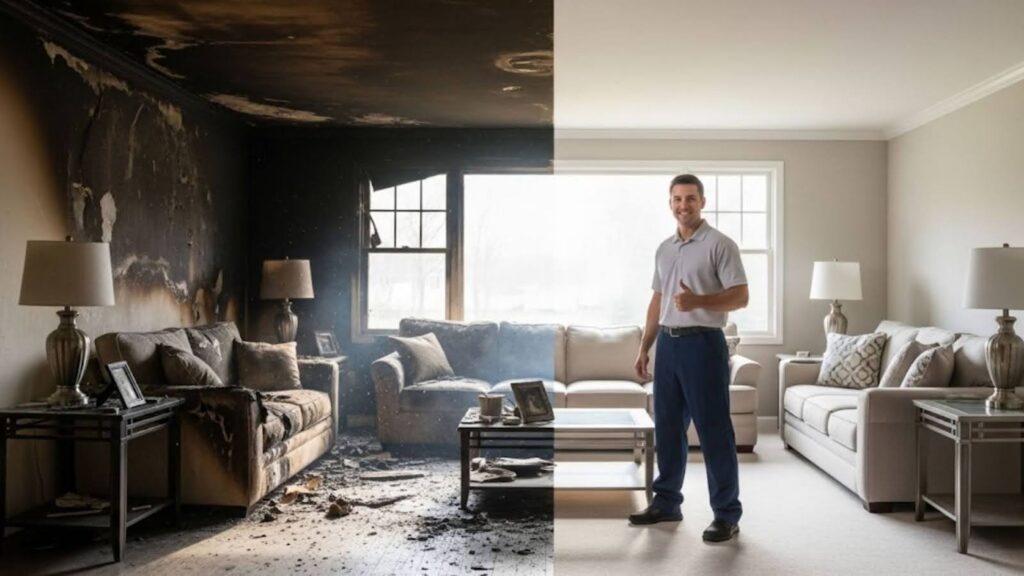
Fire damage disrupts daily life and creates uncertainty about safety. Emergency fire restoration restores confidence by ensuring all contaminants are removed and the structure is stable.
For property owners in Covington and surrounding communities, understanding what happens during emergency fire restoration highlights the importance of prompt action. If your property experiences fire damage, contact us so our team at PuroClean Emergency Restoration can begin emergency fire restoration quickly and help return your property to a safe and livable condition.