


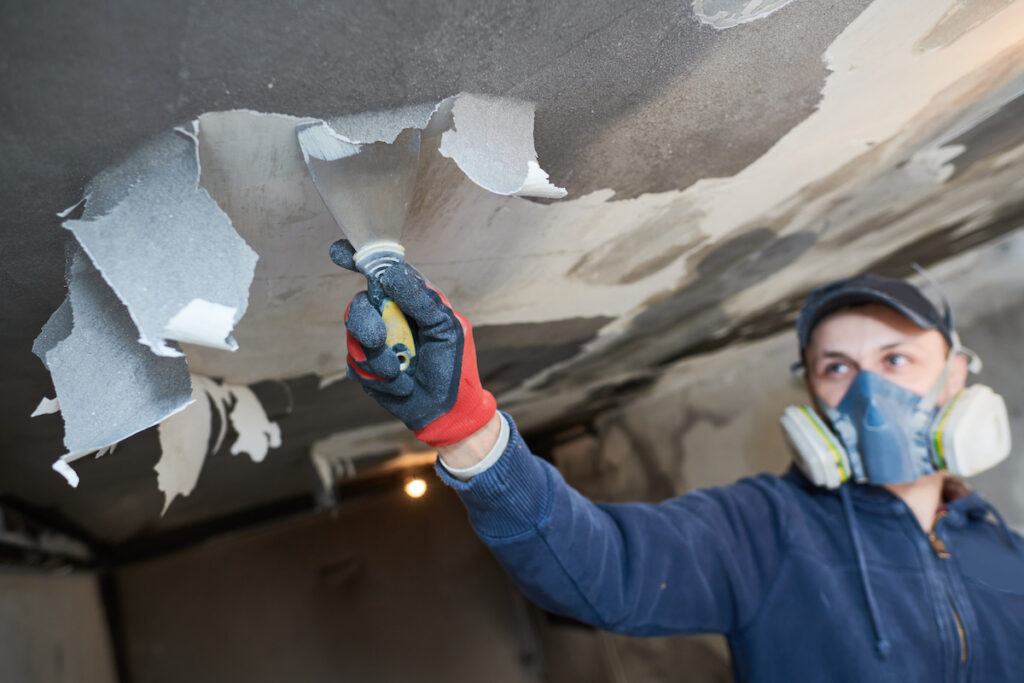
Experiencing fire or water damage can be overwhelming and disorienting. The chaos that ensues after such a disaster can leave you feeling helpless, as you try to navigate the immediate aftermath and make sense of what steps to take. Whether it’s a smoldering fire or an unexpected flood, knowing what to do next is crucial.
In this guide, we will walk you through the first steps you need to take after encountering such unfortunate events. By understanding the essentials of fire and water damage restoration, you can minimize the long-term impact on your property and get back to normal life more quickly.
Assessing the Damage
The first step after any incident involving fire or water damage is to assess the extent of the damage. This initial assessment will help determine the urgency and the specific actions required for effective restoration. Understanding the scope of the damage is essential to formulating a recovery plan that addresses both immediate and long-term needs.
Conducting a thorough assessment allows you to prioritize tasks and allocate resources efficiently. It also helps in communicating the situation accurately to professionals and insurance providers, ensuring that nothing is overlooked. By taking the time to assess the damage properly, you lay the groundwork for a smoother and more successful restoration process.
Fire Damage Assessment
When dealing with fire damage, it is essential to check for structural damage and other risks. Begin by examining the main areas affected by the fire, and take note of the following:
- Smoke Damage: Check for soot and smoke residue on walls, ceilings, and furniture. Smoke can permeate every nook and cranny, leaving behind a persistent odor and residue that can continue to cause damage if not cleaned properly.
- Structural Integrity: Look for signs of weakened structures, such as warped walls or ceilings. The intense heat of a fire can compromise the stability of your property, making it essential to identify and address any structural concerns immediately.
- Electrical Hazards: Identify any exposed wires or damage to electrical systems. Fires can severely damage electrical systems, posing ongoing risks of shock or further fires if not repaired by a professional.
Fire damage can also lead to secondary issues, such as water damage from firefighting efforts. It’s crucial to consider all these factors during your assessment to ensure a comprehensive understanding of the damage.
Water Damage Assessment
In the case of water damage, assess the situation by identifying the source of the water and the severity of the damage. Consider these factors:
- Source of Water: Determine if the water is clean, gray, or black, as this affects the cleanup process. Clean water from a broken pipe poses fewer health risks than black water from a sewer backup, which requires specialized handling and disposal.
- Extent of Saturation: Check how far the water has spread and what materials have been affected. Some materials, such as carpet and drywall, can retain moisture long after the visible water is gone, leading to mold growth and structural weakening.
- Potential Mold Growth: Look for signs of mold, which can begin to form within 24 to 48 hours after exposure to moisture. Mold not only damages property but can also cause serious health problems, making early detection and remediation essential.
Understanding the type and extent of water damage helps in determining the appropriate course of action and the urgency of engaging professional help. It’s important to act quickly to mitigate further damage and health risks.
Contacting Professionals

Once you’ve assessed the damage, it’s time to contact professionals who specialize in fire and water damage restoration. These experts can provide the necessary tools and expertise to tackle the restoration process efficiently. Engaging professionals ensures that the restoration is comprehensive and complies with safety standards, reducing the risk of future issues.
Emergency Fire Damage Services
For fire-related incidents, reach out to emergency fire damage restoration services. These professionals will help:
- Secure the Property: They will board up windows and doors to prevent further damage or unauthorized access. Securing the property is crucial to protect it from the elements and potential vandalism.
- Remove Debris: Clearing out damaged materials and debris is crucial for safety and further assessment. Removing debris promptly also allows for a clearer evaluation of the underlying damage and speeds up the restoration process.
- Begin Cleaning: Start the process of cleaning soot and smoke residues from surfaces. This step is vital to prevent ongoing damage and to restore indoor air quality, making the environment safe for you and your family.
Fire damage restoration professionals also offer services such as air purification and odor removal, which are critical to ensuring a safe and comfortable living space post-restoration.
Emergency Water Damage Services
If water damage is your concern, it’s essential to contact emergency water damage restoration services. They will assist with:
- Water Extraction: Removing standing water quickly to prevent further damage. Rapid water extraction is crucial to prevent the growth of mold and bacteria, which can begin to develop within hours.
- Drying and Dehumidification: Using specialized equipment to dry affected areas thoroughly. Professional-grade dehumidifiers and air movers ensure that hidden moisture is eliminated, preventing future mold issues and structural damage.
- Mold Remediation: Addressing any mold issues that may have arisen from water exposure. Certified mold remediation experts can safely remove mold and treat affected areas to prevent regrowth.
Water damage restoration services also include the repair of damaged structures and the replacement of irreparably damaged materials, ensuring your property is returned to its pre-damage state.
Documenting the Damage
Before any restoration work begins, document the damage for insurance purposes. Taking detailed photographs and videos of the affected areas will provide crucial evidence to support your insurance claim. Proper documentation ensures that you receive the full extent of coverage you are entitled to, facilitating a smoother claims process.
Documentation is not only important for insurance purposes but also for your records. It serves as a benchmark for the restoration work, helping you track progress and ensure that all damage is addressed. Being meticulous in your documentation can save you time and stress down the line.
Tips for Effective Documentation
- Use a Good Camera: Ensure images are clear and capture all damage. High-quality photos will provide a more accurate representation of the damage, making it easier for adjusters to assess your claim.
- Capture All Angles: Photograph each room from multiple perspectives. This comprehensive approach ensures that no aspect of the damage is overlooked.
- Include Close-Ups: Take close-up shots of significant damage, such as burned areas or water stains. Close-ups highlight the severity and specifics of the damage, supporting a more detailed insurance evaluation.
Filing an Insurance Claim

After documenting the damage, contact your insurance provider to file a claim. Navigating the insurance process can be complex, but understanding your policy and having proper documentation will aid in expediting the claim. Being proactive and organized in your approach can significantly impact the outcome of your claim.
Understanding the nuances of your insurance policy is crucial in setting realistic expectations for the claim process. Knowing what is covered, the limits of your policy, and any deductibles you must meet will help you prepare financially for the restoration. Communication with your insurer is key, and keeping records of all interactions can prevent misunderstandings and delays.
Steps to File a Claim
- Review Your Policy: Understand what types of damage are covered and any limitations. This step is crucial to avoid surprises and to know what documentation is necessary for your specific coverage.
- Contact Your Insurer: Report the incident and provide them with the documentation. Prompt reporting is essential, as many policies have time limits for filing claims.
- Work with the Adjuster: Cooperate with the insurance adjuster who will assess the damage and determine the coverage. Be available for any inspections and provide additional information as needed to support your claim.
Throughout the claims process, maintain open communication with your insurer and restoration professionals. Their collaboration is vital to ensuring that your property is restored efficiently and that your financial interests are protected.
Initiating the Restoration Process
With professional help on board and insurance proceedings underway, it’s time to start the restoration process. The goal is to restore your property to its pre-damage condition efficiently and safely. Proper planning and execution are key to achieving this goal without unnecessary delays or setbacks.
The restoration process is a coordinated effort that requires attention to detail and adherence to safety standards. By following a structured approach, you can ensure that all aspects of the damage are addressed and that your property is restored to a safe and livable condition. Working closely with restoration professionals will help you navigate any challenges that arise and ensure a successful outcome.
Fire Damage Restoration
The restoration process for fire damage includes several critical steps:
- Cleaning and Repairing Surfaces: Remove soot and smoke residues from walls and ceilings. Repair any structural damage. This step is crucial to restoring the aesthetic and structural integrity of your property.
- Odor Removal: Use specialized equipment to eliminate lingering smoke odors. Odor removal is essential for restoring indoor air quality and creating a comfortable living environment.
- Restoring Contents: Clean and restore personal belongings and furniture that were affected by the fire. Salvaging and restoring personal items can be emotionally rewarding and helps in the recovery process.
Fire damage restoration also involves addressing any water damage from firefighting efforts, ensuring that all aspects of the damage are comprehensively treated.
Water Damage Restoration
For water damage, the restoration process focuses on thorough drying and repair:
- Drying Out the Area: Use industrial fans and dehumidifiers to dry out the space completely. Proper drying is crucial to prevent mold growth and further structural damage.
- Repairing Structural Damage: Address any damage to walls, floors, or ceilings caused by water saturation. Structural repairs ensure the safety and stability of your property.
- Preventing Mold Growth: Apply mold inhibitors to prevent future mold issues. Preventative measures are vital to maintaining a healthy indoor environment post-restoration.
Water damage restoration also includes assessing and repairing any electrical systems that may have been affected, ensuring that your property is safe and functional.

Conclusion
Fire or water damage can feel overwhelming, but quick, informed action makes all the difference. Assess the damage, document everything, and call in professionals to begin recovery. Preventive steps can also reduce future risk and stress.
For expert help when it matters most, contact PuroClean Emergency Restoration in Covington. We’re ready 24/7 to help you recover and rebuild—call now to get started.