 PuroClean Emergency Restoration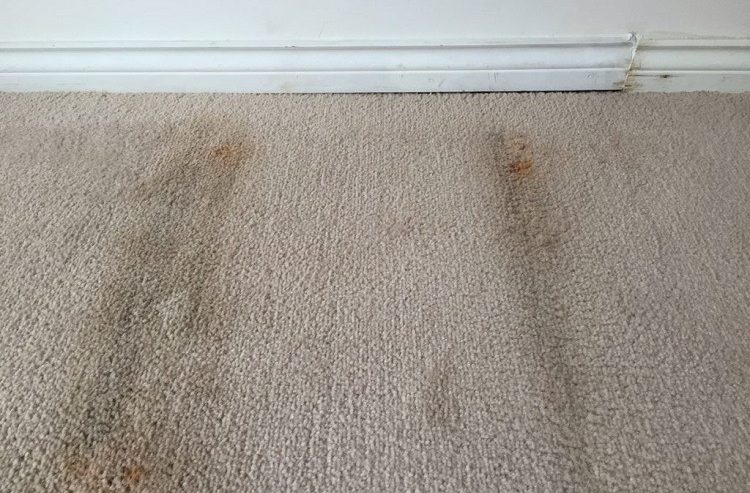
Carpet Often Shows Damage Last
Carpet is usually one of the last materials in a property to show visible signs of damage. Even when water enters a space, carpet fibers may look dry on the surface while moisture remains trapped below. Padding, subflooring, and tack strips absorb water quickly and hold it longer than many people expect.
In Covington and surrounding areas, warm temperatures and humidity slow natural drying. By the time odors or discoloration appear, moisture has often been present for days. Understanding how carpet responds to water exposure helps determine whether carpet cleaning is sufficient or whether restoration is required.
Clean Water Versus Contaminated Water Makes a Difference
Not all water damage affects carpet the same way. Clean water from a supply line or appliance leak presents fewer risks than water from storms, sewage, or flooding. However, even clean water becomes contaminated if it remains in contact with building materials for extended periods.
Carpet cleaning may be appropriate when water exposure is brief and addressed immediately. When water sits longer or originates from contaminated sources, restoration is often necessary to protect indoor health and prevent future problems.
Padding Determines Whether Carpet Can Be Saved
Carpet padding acts like a sponge. Once saturated, it holds moisture against the subfloor and carpet fibers. Even if carpet is cleaned and dried on the surface, wet padding continues releasing moisture back into the carpet.
In many cases, restoration involves removing and replacing padding while saving the carpet itself. Determining whether padding can be dried safely is a critical part of evaluating carpet damage.
Odors Signal Deeper Moisture Issues
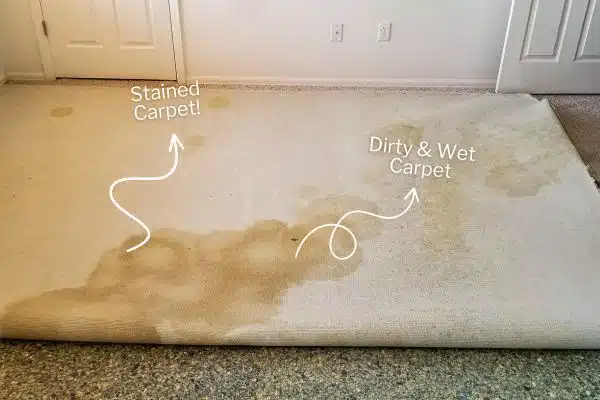
Persistent odors are often the first sign that carpet cleaning alone is not enough. Musty smells indicate trapped moisture and bacterial growth beneath the carpet surface. Deodorizers and surface cleaning temporarily mask odors but do not remove the source.
Restoration addresses odor at its origin by removing moisture and contaminated materials. Eliminating odors requires treating the entire system rather than just the visible surface.
Mold Risk Develops Below the Carpet Surface
Mold growth often begins beneath carpet where moisture remains undisturbed. Because this area is hidden, mold can develop without visible signs. By the time growth becomes noticeable, contamination may be widespread.
Restoration focuses on moisture removal and containment to prevent mold from spreading. Carpet cleaning alone does not address mold risk when moisture remains trapped underneath.
Subfloor Damage Can Be Overlooked
Water that reaches carpet padding often seeps into the subfloor. Wood subfloors swell, weaken, and lose integrity when exposed to prolonged moisture. Even concrete subfloors absorb moisture and release it slowly into the surrounding environment.
Restoration includes evaluating subfloor condition to ensure moisture is fully removed. Ignoring subfloor saturation often leads to recurring carpet issues and long term damage.
Carpet Cleaning After Minor Incidents
There are situations where professional carpet cleaning is sufficient. Quick response to small spills or minor leaks, combined with proper drying, may prevent deeper saturation. In these cases, cleaning restores appearance and hygiene without further intervention.
The key factor is timing. The sooner moisture is removed, the greater the likelihood that carpet cleaning will be enough.
Restoration Supports Long Term Indoor Air Quality
Carpets act as filters, trapping dust, allergens, and contaminants. When carpets are affected by water damage, these contaminants mix with moisture and spread through the indoor environment.
Restoration removes these contaminants and stabilizes indoor conditions. This process improves air quality and reduces lingering health concerns that surface cleaning cannot resolve.
Commercial Carpet Requires a Different Approach
Commercial carpets experience higher foot traffic and larger surface areas. Water damage in commercial spaces often spreads faster and affects more materials. Quick decisions are necessary to minimize downtime.
Restoration helps businesses determine whether carpet cleaning is appropriate or whether sections must be replaced to ensure safety and cleanliness.

Making the Right Call Protects the Property
Choosing between carpet cleaning and restoration is not always obvious. Surface appearance can be misleading, and incorrect decisions often lead to recurring odors, damage, and additional costs.
Evaluating moisture levels, contamination type, and exposure time provides clarity. Addressing carpet issues correctly the first time prevents future disruptions.
Knowing When Cleaning Is Not Enough
Carpet cleaning has its place, but it is not a solution for every situation. When moisture has moved below the surface, restoration becomes necessary to protect the property and those inside it.
For property owners in Covington and surrounding communities, understanding this difference helps avoid ongoing issues. If carpet has been exposed to water or you are unsure whether cleaning is enough, starting a conversation with our team at PuroClean Emergency Restoration allows the situation to be evaluated before damage spreads further.
 PuroClean Emergency Restoration