

Black mold is one of the most concerning issues homeowners and business owners can face. While mold can appear in many forms, mold growth often signals an underlying moisture problem that can quickly spread throughout a property if left untreated. Understanding the warning signs of mold contamination conditions can help you protect your property, your indoor air quality, and the health of everyone inside.
If you live in Coppell, recognizing the early indicators of mold infestation can save you from expensive repairs and potential health concerns. In this guide, we’ll cover seven shocking signs of harmful mold that you should never ignore, explain why fungal growth develops, and discuss when it’s time to seek professional mold remediation services.
_____________________________________________________________________________________________
What Is Toxic Mold?
The term black mold commonly refers to Stachybotrys chartarum, a dark-colored species that develops in damp, water-damaged environments. However, several mold varieties can appear black, making professional inspection important when suspicious growth is discovered inside a property.
Black mold typically grows on materials that have experienced prolonged moisture exposure, including:
- Drywall
- Wood framing
- Ceiling tiles
- Carpet
- Insulation
- Paper-backed building materials
When moisture issues remain unresolved, moisture-related mold problems can spread rapidly and become difficult to remove without professional assistance.
_____________________________________________________________________________________________
Why Mold Problems Develop
Before discussing the warning signs, it’s important to understand what creates ideal black mold conditions.
Common causes include:
- Roof leaks
- Plumbing leaks
- Flood damage
- High indoor humidity
- Poor ventilation
- Condensation buildup
- Water intrusion from storms
Properties in Coppell can be especially vulnerable when humidity levels remain elevated or water damage goes unnoticed.
_____________________________________________________________________________________________
1. Persistent Musty Odors
One of the earliest indicators of black mold conditions is a strong, musty smell.
Many property owners notice the odor before they actually see mold growth. Mold releases microbial volatile organic compounds (MVOCs), which create an earthy, damp scent that lingers throughout affected areas.
Common locations include:
- Basements
- Crawl spaces
- Bathrooms
- Attics
- Behind walls
If your property smells musty despite regular cleaning, hidden mold growth may be present.
_____________________________________________________________________________________________
2. Visible Dark Stains on Walls or Ceilings
Dark spots or staining on walls and ceilings can indicate active mold growth.
Harmful mold growth may appear as:
- Dark green patches
- Black spots
- Circular colonies
- Irregular discoloration
While not every dark stain is black mold, visible growth should always be investigated.
Pay particular attention to:
- Around windows
- Near plumbing fixtures
- Beneath roof leaks
- Around HVAC systems
The longer mold remains untreated, the greater the risk of structural damage.
_____________________________________________________________________________________________
3. Recurring Allergy Symptoms Indoors
Many people first discover black mold because of unexplained health symptoms.
Exposure to mold spores may contribute to:
- Sneezing
- Coughing
- Nasal congestion
- Watery eyes
- Skin irritation
- Headaches
If symptoms improve when leaving the building and return upon entering, indoor mold growth may be a contributing factor.
Individuals with asthma, allergies, or compromised immune systems may be particularly sensitive to mold spore exposure.
_____________________________________________________________________________________________
4. Peeling Paint or Bubbling Drywall
Moisture problems often accompany black mold conditions.
Signs of hidden moisture include:
- Bubbling paint
- Cracking drywall
- Warped walls
- Peeling wallpaper
These issues frequently indicate water intrusion behind building materials where mold may be growing unseen.
A professional inspection can determine whether mold exists beneath damaged surfaces and identify the source of moisture.
_____________________________________________________________________________________________
5. Water Damage That Keeps Returning
Repeated water stains are a major warning sign.
Even if the area appears dry, moisture trapped behind walls or under flooring can create ideal conditions for mold colonization.
Watch for:
- Yellow or brown ceiling stains
- Discolored drywall
- Warped flooring
- Reappearing water marks
If water damage returns after repairs, there may be an unresolved leak feeding mold growth.
_____________________________________________________________________________________________
6. Increased Humidity Levels Throughout the Property
Black mold thrives when indoor humidity remains above recommended levels.
Common indicators include:
- Condensation on windows
- Damp surfaces
- Sticky indoor air
- Frequent mildew growth
Experts generally recommend maintaining indoor humidity between 30% and 50%.
In humid regions, dehumidification and proper ventilation are essential for mold prevention.
_____________________________________________________________________________________________
7. Mold Growth in Hidden Areas
Many severe black mold infestations occur completely out of sight.
Common hidden locations include:
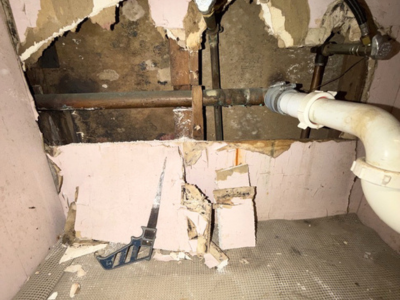
- Behind drywall
- Under flooring
- Inside crawl spaces
- Beneath carpets
- Behind cabinets
- Inside HVAC systems
Property owners often discover extensive mold growth only after renovations or inspections reveal hidden contamination.
Professional mold inspections can identify concealed growth before it spreads further.
_____________________________________________________________________________________________
The Risks of Ignoring Mold Growth
Ignoring black mold can lead to significant consequences over time.
Potential risks include:
Property Damage
Mold feeds on organic materials commonly found in buildings. Left untreated, it can weaken:
- Drywall
- Wood framing
- Flooring
- Insulation
This may result in costly repairs and restoration work.
Reduced Indoor Air Quality
As mold grows, spores can circulate through the air and HVAC systems, impacting indoor air quality throughout the property.
Increased Remediation Costs
The longer black mold remains untreated, the more extensive remediation becomes.
Addressing mold early is almost always less expensive than waiting until the infestation spreads.
_____________________________________________________________________________________________
How Professionals Handle Mold Remediation
Professional mold remediation involves much more than surface cleaning.
The process often includes:
Mold Inspection
Experts identify:
- Visible mold growth
- Hidden contamination
- Moisture sources
- Extent of damage
Moisture Control
Addressing water intrusion is essential for preventing future mold growth.
This may involve:
- Leak repairs
- Dehumidification
- Improved ventilation
Containment
Affected areas are isolated to prevent mold spores from spreading throughout the property.
Safe Removal
Contaminated materials may be removed or professionally treated using industry-approved methods.
Post-Remediation Verification
Many remediation projects include testing to confirm successful mold removal.
_____________________________________________________________________________________________
How to Prevent Mold Growth in Your Home or Business
Prevention is always the best strategy.
To reduce the risk of black mold conditions:
- Fix leaks immediately
- Maintain proper ventilation
- Use dehumidifiers when necessary
- Monitor indoor humidity levels
- Inspect roofs regularly
- Clean gutters
- Address water damage promptly
- Schedule professional inspections when concerns arise
Consistent maintenance can significantly reduce mold-related problems.
_____________________________________________________________________________________________
Why Property Owners in Coppell Should Act Quickly
The climate and environmental conditions in Coppell can create favorable conditions for mold growth when moisture issues occur.
Whether the source is a plumbing leak, storm damage, or high humidity, delaying action can allow black mold to spread into walls, ceilings, and flooring systems.
If you’ve noticed any of the warning signs discussed above, professional evaluation can help determine the extent of the problem and provide a clear path toward remediation.
_____________________________________________________________________________________________
Schedule a Professional Mold Inspection in Coppell
If you suspect black mold conditions in your property, don’t wait until the damage becomes more severe.
Our experienced team provides comprehensive mold inspection, testing, and remediation services throughout Coppell. We can identify hidden mold, address moisture sources, and restore healthy indoor environments for homes and businesses.
Learn More About Our Mold Remediation Services:
View our Google Business Profile:
Contact us today to schedule a professional mold inspection and protect your property from the dangers of black mold.
_____________________________________________________________________________________________
Final Thoughts
Mold problems rarely resolve on their own. What may begin as a small moisture issue can quickly develop into widespread contamination that affects your property’s condition, indoor air quality, and long-term value. Recognizing the warning signs early—such as musty odors, recurring water stains, visible growth, or unexplained allergy symptoms—can help prevent more extensive damage.
For homeowners and business owners in Coppell, addressing moisture issues promptly is one of the most effective ways to protect your investment. Routine inspections, proper ventilation, and timely repairs can significantly reduce the likelihood of mold-related problems.
If you suspect mold growth anywhere in your property, a professional inspection can identify the source, determine the extent of contamination, and provide recommendations for safe remediation. Taking action early is often the most cost-effective approach and can help restore a cleaner, healthier indoor environment.