


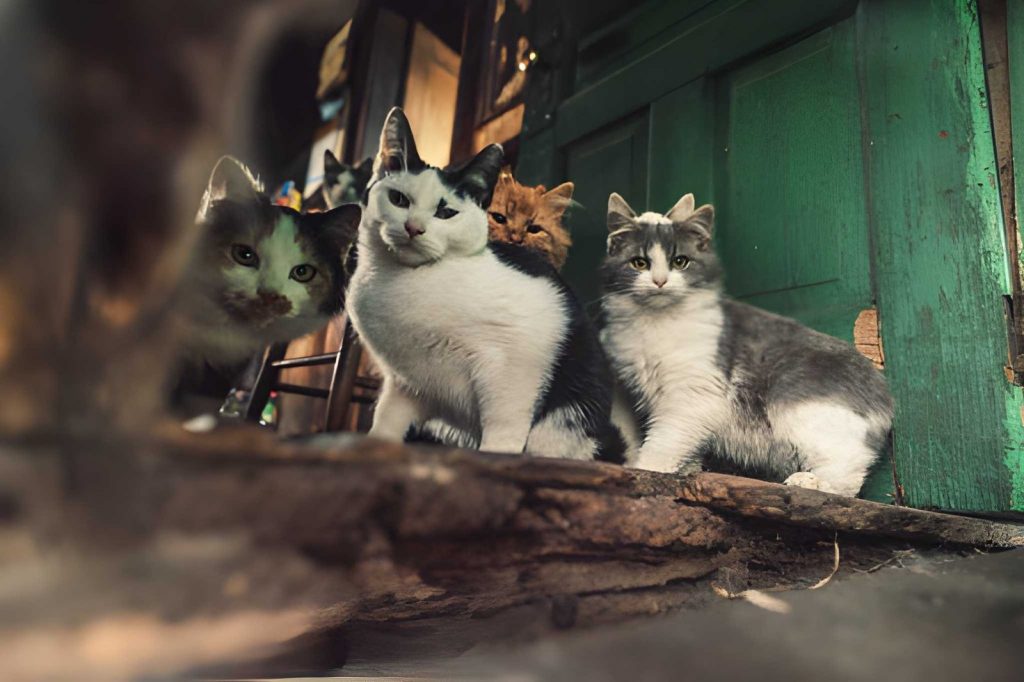
Animal hoarding cleanup in Davenport is one of the most emotionally complex and physically hazardous cleanup situations a property can face. It’s not simply “too many pets.” In many cases, it becomes a serious environmental contamination issue that affects the structure of the home, indoor air quality, and the health of everyone involved.
If you’re searching for animal hoarding cleanup in Davenport, this guide will help you understand what’s really involved, why professional biohazard remediation is often necessary, and how to move forward safely and discreetly in Davenport.
We’ll cover:
What Is Animal Hoarding?
Animal hoarding occurs when an individual accumulates more animals than they can properly care for. Over time, sanitation declines. Urine and feces build up. Ventilation becomes compromised. Structural damage develops. The environment can become hazardous not just for the animals — but for neighbors, first responders, and family members.
Unlike standard pet odor situations, animal hoarding cases often involve:
- Saturated flooring and subflooring
- Ammonia-heavy air from urine accumulation
- Feces contamination throughout living spaces
- Insect and rodent infestations
- Deceased animals in advanced cases
- Severe structural deterioration
At that point, this is no longer a “deep cleaning” issue. It’s a biohazard remediation project.
Why Animal Hoarding Cleanup Is a Biohazard Situation
Many people underestimate the health risks involved. In severe cases, properties may contain:
- Airborne ammonia at unsafe levels
- Bacteria such as E. coli and Salmonella
- Parasites
- Zoonotic disease risks (illnesses transferable from animals to humans)
- Mold growth triggered by chronic moisture
Urine doesn’t just sit on the surface. It seeps into:
- Carpet padding
- Subflooring
- Baseboards
- Drywall
- Framing
Once saturation occurs, odor becomes embedded at a structural level. Simply removing visible waste will not resolve the contamination.
Professional animal hoarding cleanup in Davenport involves containment, removal, sanitation, deodorization, and often structural demolition and rebuild.
Signs a Property Needs Professional Animal Hoarding Cleanup
If you notice any of the following, professional remediation is likely required:
- Overpowering ammonia smell that burns the eyes or throat
- Blackened or buckling floors
- Soft spots in subflooring
- Stained or crumbling drywall
- Flies, maggots, or rodent activity
- Visible feces throughout the home
- Persistent odor even after cleaning attempts
In many Davenport homes — particularly older properties — prolonged contamination can compromise wood framing and even weaken floor joists.
The Hidden Damage Most People Don’t See
Animal hoarding damage often extends far beyond what’s visible.
1. Subfloor Saturation
Wood subfloors absorb urine deeply. Over time, they delaminate and rot. In severe cases, full subfloor replacement is required.
2. HVAC Contamination
Air ducts can circulate contaminated air throughout the home, spreading odor and bacteria.
3. Structural Framing Damage
Repeated saturation can damage wall studs and framing members.
4. Neighbor Impact
In multi-family housing or tightly spaced neighborhoods in Davenport, odors and pests can affect adjacent properties.
The Emotional Side of Animal Hoarding Cleanup
Animal hoarding is rarely about neglect alone. It often involves underlying mental health challenges, trauma, or grief. Families seeking cleanup help are often overwhelmed, embarrassed, and unsure where to start.
A professional cleanup team approaches these situations with:
- Discretion
- Compassion
- Non-judgmental communication
- Clear, step-by-step planning
The goal is not just to restore the property — but to reduce stress during an already difficult time.
The Professional Animal Hoarding Cleanup Process
Here’s what a thorough remediation process typically involves:
1. Assessment and Safety Planning
A full property inspection evaluates contamination levels, structural damage, and safety risks.
2. PPE and Containment
Technicians use:
- Full-body protective suits
- Respirators
- Gloves and eye protection
Containment barriers prevent cross-contamination.
3. Removal of Waste and Contaminated Materials
This may include:
- Carpets and padding
- Drywall
- Baseboards
- Furniture
- Subfloor sections
Materials that cannot be sanitized are safely disposed of.
4. Deep Cleaning and Disinfection
Professional-grade antimicrobial treatments are applied to all salvageable surfaces.
5. Odor Neutralization
Advanced deodorization methods may include:
- Hydroxyl generators
- Ozone treatments (when appropriate and unoccupied)
- Thermal fogging
- Sealants for exposed framing
6. Structural Repairs and Restoration
After remediation, rebuilding may be necessary to return the home to safe, livable condition.
Does Insurance Cover Animal Hoarding Cleanup?
Coverage varies widely.
Homeowners insurance policies may:
- Exclude long-term neglect
- Cover sudden and accidental damage
- Require documentation and professional assessment
In some cases, contamination tied to plumbing failures or sudden events may be partially covered. However, most animal hoarding situations require out-of-pocket remediation.
A professional company can document damage thoroughly if insurance involvement is possible.
Health Risks of DIY Cleanup
Attempting animal hoarding cleanup without proper protection can lead to:
- Respiratory illness
- Skin infections
- Exposure to harmful bacteria
- Ammonia inhalation damage
- Mold exposure
- Injury from unstable flooring
Without industrial equipment and proper disposal methods, contamination often remains behind — leading to recurring odor and health risks.
Why Local Experience Matters in Davenport
Homes in Davenport range from historic properties with original wood framing to newer construction. Each structure responds differently to prolonged moisture and contamination.
Local knowledge matters because:
- Older homes may have porous materials that require full replacement
- Seasonal humidity can worsen odor retention
- Freeze–thaw cycles can compound structural weakening
A company familiar with local building styles can assess damage accurately and recommend appropriate remediation.
How Long Does Animal Hoarding Cleanup Take?
Every case is different.
- Mild cases: 2–4 days
- Moderate contamination: 1–2 weeks
- Severe structural remediation: Several weeks
The timeline depends on:
- Level of saturation
- Square footage
- Structural damage
- Presence of biohazards
- Required rebuild
Choosing the Right Animal Hoarding Cleanup Company in Davenport
When searching for animal hoarding cleanup in Davenport, look for:
- Biohazard remediation experience
- Proper PPE and safety protocols
- Odor neutralization capabilities
- Structural repair services
- Discreet operations
- Clear written estimates
- Compassionate communication
Avoid companies that position the job as “just junk removal.” In severe cases, that approach leaves contamination behind.
Taking the First Step
If you’re dealing with an animal hoarding situation, the hardest part is often making the first call.
You may feel:
- Embarrassed
- Overwhelmed
- Guilty
- Unsure how bad it really is
But animal hoarding cleanup in Davenport is not about judgment. It’s about restoring safety — for the home, for the community, and for the people involved.
Animal Hoarding Cleanup in Davenport: Restoring Safety and Stability
Severe pet contamination is not just a cosmetic problem. It’s an environmental and structural issue that requires professional remediation.
If a property in Davenport is showing signs of ammonia saturation, waste buildup, or structural damage from animal accumulation, a professional assessment is the safest next step.
With the right team, even the most overwhelming situations can be restored — methodically, safely, and respectfully.
If you need emergency Animal hoarding cleanup in Davenport, call 563-484-4846 and get help today. You can also contact us here or follow us on facebook