


DIY vs professional water damage cleanup is a question almost every homeowner faces the moment they discover water where it shouldn’t be. Grabbing towels and a shop vac feels like the obvious first move — and sometimes, it genuinely is enough. Other times, what looks like a manageable mess is actually the early stage of a much bigger problem that DIY effort can’t fully solve, and may even make worse by delaying real treatment.
Here’s how to honestly assess which category your situation falls into.
When DIY Cleanup Is Usually Fine
Some water damage situations are small, contained, and low-risk enough that handling it yourself is a completely reasonable choice:
- A small, clean-water spill — think a knocked-over glass, a minor appliance overflow caught within minutes, or a small amount of rainwater from a window left open.
- The water source has been fully stopped, and there’s no ongoing leak to worry about.
- The affected area is limited to a small, easily accessible spot — not spread across multiple rooms or soaked into carpet padding.
- You can fully dry the area within a few hours using towels, a wet/dry vacuum, and household fans, with no lingering dampness the next day.
- There’s no risk of contamination — the water is clearly clean, not from a drain, appliance backup, or outside flooding.
If your situation checks all of these boxes, DIY cleanup is often sufficient. The key is confirming the area is actually, fully dry afterward — not just dry to the touch on the surface.
When You Should Call a Professional Instead
A number of situations move well beyond what towels and fans can safely or effectively handle:
1. The Water Is Contaminated
Anything involving sewage backups, floodwater from outside the home, or water that’s been sitting long enough to become stagnant falls into “gray” or “black” water categories. These carry real health risks and require specialized disinfection — not something to handle with household cleaning supplies.
2. The Water Has Been Sitting for More Than a Few Hours
Once water sits long enough to soak into drywall, subflooring, or insulation, drying it with household equipment usually isn’t enough. Materials can appear dry on the surface while remaining wet inside, creating ideal conditions for mold.
3. A Significant Area Is Affected
A small, isolated spill is very different from an entire flooded basement or multiple rooms. Beyond a certain size, DIY drying equipment simply can’t move enough air or remove enough moisture fast enough to prevent further damage.
4. You Suspect Electrical Risk
If water has come anywhere near outlets, appliances, or your breaker panel, this isn’t a DIY situation — electrical hazards from water are genuinely dangerous, and professional assessment (sometimes alongside an electrician) is necessary before any cleanup begins.
5. You Already Smell Mold, or It’s Been More Than 24–48 Hours
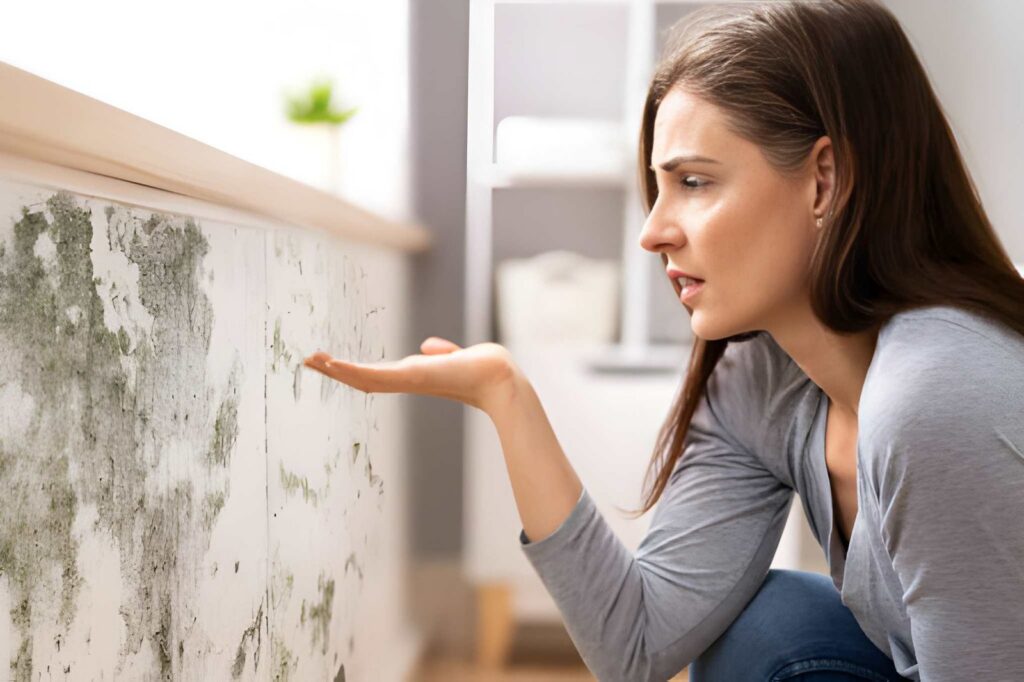
Mold can begin developing within 24 to 48 hours in the right conditions. If you’re noticing a musty smell, or if it’s already been a day or two since the water event, DIY cleanup is unlikely to fully address what’s already growing inside walls or under flooring.
6. Structural Materials Are Involved
Warped flooring, sagging ceilings, or softened drywall all indicate the water has compromised structural materials — this requires professional assessment, not just cleanup.
The Hidden Risk of DIY-ing a Situation That’s Too Big
The biggest danger with DIY water damage cleanup isn’t usually the cleanup itself — it’s underestimating the situation. A basement that looks dry after a weekend of running fans can still have soaked insulation and wet subflooring underneath. By the time a musty smell or visible mold shows up weeks later, the cost to fix it has usually gone up significantly compared to if a professional had assessed it early.
If you’re ever genuinely unsure which category your situation falls into, that uncertainty itself is a good reason to get a professional opinion — many restoration companies offer a free initial assessment specifically for this reason.
What Professionals Do That DIY Can’t Replicate
- Moisture meters and thermal imaging to detect hidden water inside walls and floors, not just what’s visible
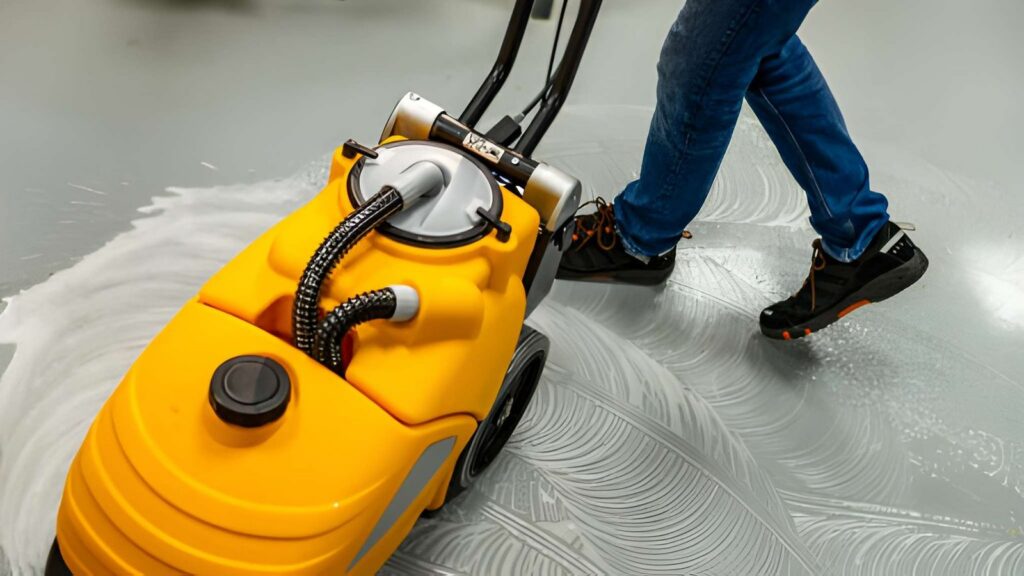
- Industrial-grade extraction and drying equipment that moves far more air and removes far more moisture than consumer fans
- Proper water categorization, which determines the correct disinfection and safety protocols
- Documentation for insurance purposes, which can strengthen your claim
- Mold prevention protocols designed to stop growth before it starts, not just clean it up after the fact
A Simple Way to Decide
Ask yourself these questions:
- Is the water clean, and was the source stopped quickly?
- Is the affected area small and easy to fully dry within a few hours?
- Is there zero risk of electrical hazard?
- Am I confident there’s no hidden moisture inside walls or flooring?
If you can answer “yes” to all four, DIY cleanup is likely appropriate. If you’re unsure on even one, it’s worth calling a professional for an assessment — the cost of a wrong guess is almost always higher than the cost of a phone call.
Frequently Asked Questions
| Question | Answer |
|---|---|
| Can I just use fans and a shop vac for a flooded basement? | For a large or significant flood, usually not sufficient on its own — professional-grade equipment is typically needed to fully dry the space and prevent hidden moisture issues. |
| How do I know if water is contaminated? | Clean water typically comes from a sanitary source like a supply line or appliance. Water from drains, sewage, or outside flooding should be treated as contaminated and handled professionally. |
| Is it ever too late to call a professional after trying DIY first? | No — if DIY cleanup didn’t fully resolve the issue, or you’re noticing lingering odor or dampness, it’s still worth calling a professional to assess what was missed. |
| Will a professional charge me just for an assessment? | Many restoration companies offer a free initial inspection, so it’s worth asking before assuming an assessment will cost you anything. |
| What’s the biggest mistake people make with DIY cleanup? | Assuming an area is fully dry based on how it looks or feels on the surface, when moisture can remain trapped inside walls, insulation, or subflooring. |
When in Doubt, Get a Professional Opinion
Some water damage situations are genuinely simple enough to handle yourself. Others only look that way on the surface. If you’re unsure which one you’re dealing with, a professional assessment is the safest way to find out before a small problem becomes a much bigger one.
Call PuroClean of Davenport at (563) 484-4846 anytime, 24/7. We’ll respond quickly, assess the damage, answer your questions honestly, and help you protect your home, your belongings, and your peace of mind.
👉 Follow us on Facebook for tips and updates, or fill out our contact form to reach us now.