


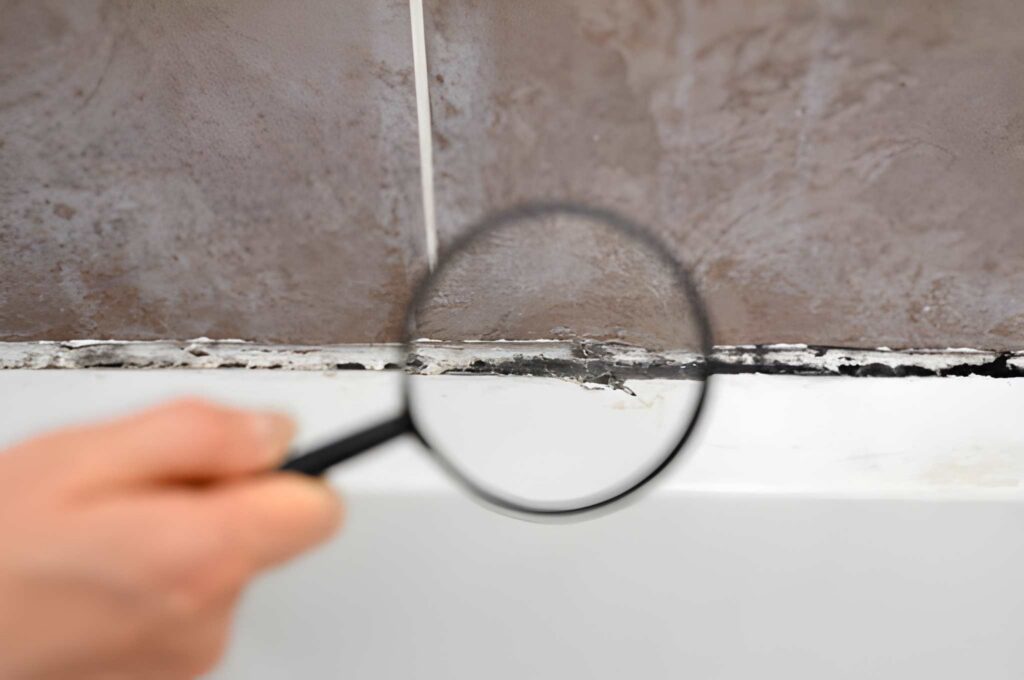
Do you have mold in your Rock Island home? If yes, call 563-484-4846.
It’s a question many homeowners ask after noticing a musty smell, unexplained health symptoms, or signs of moisture that won’t go away. In a climate like Rock Island’s, mold can develop quietly—often out of sight—before becoming a serious problem.
This guide will help you understand how mold starts, how to recognize the warning signs, the risks of ignoring it, and what to do next if mold may be present in your home.
We’ll cover:
Why Rock Island Homes Are Prone to Mold Growth
Rock Island experiences seasonal humidity, heavy rainfall, and freeze–thaw cycles that create ideal conditions for moisture buildup. Older homes, basements, and crawl spaces are especially vulnerable.
Common causes include:
- Basement seepage or foundation cracks
- Flooding or storm-related water intrusion
- High indoor humidity during summer months
- Poor ventilation in bathrooms or laundry areas
- Past water damage that was never fully dried
Mold doesn’t need standing water—just ongoing moisture and time.
Do You Have Mold in Your Rock Island Home? Common Signs to Watch For
If you’re asking yourself, “do you have mold in your Rock Island home?”, these are the most common warning signs homeowners notice first:
Persistent Musty Odors
A damp, earthy smell—especially in basements, closets, or unused rooms—is often the first indicator of hidden mold.
Visible Mold or Discoloration
Mold may appear black, green, white, or gray and can show up as spotting, staining, or fuzzy patches on walls, ceilings, or around vents.
Peeling Paint or Warped Materials
Moisture trapped behind walls can cause paint to bubble or drywall to soften, often hiding mold growth underneath.
Allergy-Like Symptoms Indoors
Sneezing, coughing, headaches, or irritated eyes that improve when you leave the house may be linked to mold exposure.
History of Water Damage
If your home has had leaks, flooding, or burst pipes—even months ago—mold may still be growing behind walls or under flooring.
Is Mold in Your Home a Health Risk?
Mold affects people differently, but prolonged exposure can cause or worsen health issues—especially for children, older adults, and individuals with asthma or compromised immune systems.
Possible health effects include:
- Respiratory irritation or chronic coughing
- Increased allergy or asthma symptoms
- Sinus congestion or headaches
- Eye, nose, or throat irritation
- Fatigue or difficulty concentrating
Even when mold isn’t visible, spores in the air can impact indoor air quality.
Why DIY Mold Cleanup Often Fails
Many homeowners attempt to clean mold with bleach or store-bought products. While this may remove surface staining, it rarely eliminates the underlying problem.
DIY cleanup often fails because:
- Mold penetrates porous materials like drywall and wood
- Bleach does not fully kill mold roots
- Scrubbing releases spores into the air
- Moisture issues remain unresolved
Without proper containment and moisture control, mold commonly returns.
What to Do If You Think You Have Mold in Your Rock Island Home
If you suspect mold, taking the right steps early can prevent further damage and higher repair costs.
1. Don’t Disturb the Area
Avoid scrubbing or tearing into materials, which can spread mold spores throughout your home.
2. Control Moisture Where Possible
Stop active leaks and reduce humidity, but avoid major repairs until a professional assessment is completed.
3. Schedule a Professional Mold Inspection
A trained mold professional can identify hidden mold, assess contamination levels, and determine the safest removal approach.
4. Address the Source of Moisture
Effective mold remediation includes correcting leaks, drainage issues, or ventilation problems to prevent regrowth.
What Professional Mold Remediation Includes
A proper mold remediation process typically involves:
- Detailed inspection and moisture detection
- Containment of affected areas
- HEPA air filtration to capture airborne spores
- Safe removal or treatment of contaminated materials
- Thorough cleaning and sanitization
- Guidance on long-term mold prevention
This comprehensive approach protects both your property and your health.
Mold Removal vs. Mold Remediation: Why It Matters
- Mold removal focuses on eliminating visible mold.
- Mold remediation addresses the full issue—removal, air quality, and prevention.
For lasting results, remediation is the safer and more effective solution.
When Should You Call a Mold Professional in Rock Island?
You should strongly consider professional help if:
- Mold covers more than a small surface area
- You smell mold but can’t see it
- Mold returns after cleaning
- Your home has had water damage
- Household members are experiencing symptoms
Local professionals understand Rock Island homes, climate challenges, and building materials—ensuring the problem is handled correctly.
Do You Have Mold in Your Rock Island Home? Take the Next Step
If you’re still wondering, “do you have mold in your Rock Island home?”, the safest next step is a professional inspection. Early action can prevent structural damage, protect your health, and restore peace of mind.
A healthy home starts with clean air—and mold doesn’t belong in either. If you need help with how to get rid of mold in Rock Island, call 563-484-4846 and get help today. You can also contact us here or follow us on facebook