


Once the initial shock of a flooded basement or burst pipe wears off, a very practical question usually follows fast: how much is this actually going to cost?
It’s a fair question, and one that deserves a straight answer instead of vague reassurance. The truth is, water damage restoration costs vary widely depending on the specific situation — but there are clear, predictable factors that drive the price up or down. This guide breaks those down so you know roughly what to expect before a technician ever sets foot in your home.
Why There’s No Single Flat Rate
Water damage restoration isn’t a one-size-fits-all service, which is why you won’t find a simple price list on most restoration company websites. A minor appliance leak caught within an hour looks nothing like a basement that sat under two feet of storm water for a day. Pricing depends on the specifics of your situation, not a fixed menu.
That said, most estimates are shaped by the same handful of factors.

The Main Factors That Affect Cost
1. Water Category
Not all water is equal, and the category affects both the process and the price:
- Clean water (burst pipes, appliance leaks) is the least expensive to remediate since it poses no contamination risk.
- Gray water (washing machine overflow, sump pump failure) requires more careful handling and disinfection.
- Black water (sewage backups, floodwater) is the most expensive category, since it requires specialized safety protocols, disposal of contaminated materials, and thorough disinfection.
2. Size of the Affected Area
This is the most intuitive factor: a single damp corner of a basement costs far less to dry and repair than an entire finished lower level. Restoration companies typically estimate based on square footage affected, along with how many rooms or floors are involved.
3. How Long the Water Sat Before Being Addressed
Time is one of the biggest cost multipliers. Water caught within hours often means simple extraction and drying. Water left for a day or more usually means saturated drywall, warped flooring, and sometimes mold growth — all of which add both labor and materials to the job.
4. What Materials Were Affected
Some materials dry out and can be saved with prompt attention. Others typically need to be removed and replaced:
- Often salvageable: hardwood floors (if dried quickly), solid wood furniture, some drywall
- Often not salvageable: carpet and carpet padding exposed to contaminated water, particleboard furniture, insulation, drywall left wet too long
The more materials that need replacement rather than drying, the higher the total cost.
5. Whether Mold Is Already Present
If mold has started growing before restoration begins, mold remediation gets added to the scope of work — including containment, specialized cleaning, and sometimes air quality testing. This is a common cost jump for water damage that wasn’t addressed quickly.
6. Equipment and Drying Time Needed
Larger or more severely affected spaces need more air movers, more dehumidifiers, and more days of monitoring before everything is confirmed dry. Equipment rental time is factored into most estimates.
What’s Usually Included in a Restoration Estimate
A thorough estimate typically covers:
- Initial inspection and moisture assessment
- Water extraction
- Drying equipment and daily monitoring
- Disinfection and antimicrobial treatment (especially for gray or black water)
- Removal and disposal of unsalvageable materials
- Any necessary mold remediation
- Reconstruction, if drywall, flooring, or other materials need replacing
Ask your restoration company for a written, itemized estimate before work begins — a reputable company will walk you through exactly what you’re paying for.
Does Insurance Cover the Cost?
Often, yes — at least partially. Homeowners insurance frequently covers sudden and accidental water damage, such as a burst pipe or a storm-related roof leak. What’s typically not covered is damage from long-term neglect, such as a slow leak that went unnoticed for months.
Flood damage from rising water outside the home (as opposed to water originating inside the home) is usually a separate matter, covered under flood insurance rather than a standard homeowner’s policy. It’s worth calling your insurer directly to confirm what applies to your specific situation.

How to Get an Accurate Estimate Fast
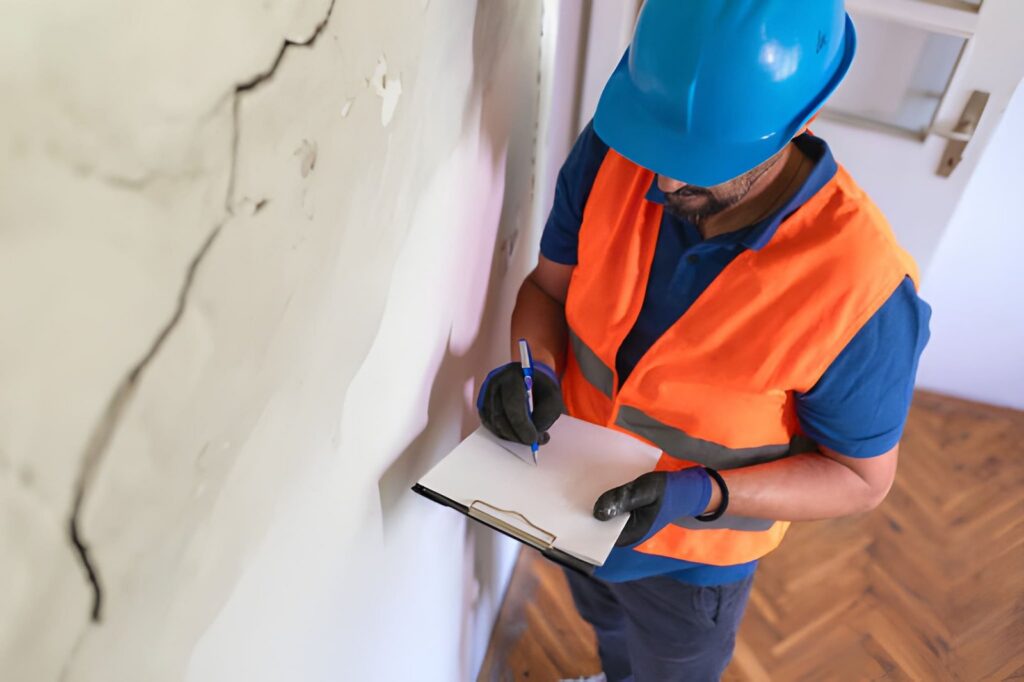
The most reliable way to know your actual cost is a professional in-person assessment — moisture readings, category identification, and material inspection all factor in, and none of that can be accurately estimated over the phone. Most reputable companies offer this assessment as part of the emergency response, often at no cost to you upfront.
Why Waiting Almost Always Increases the Cost
This is the part worth repeating: the price of water damage restoration goes up the longer you wait to address it. What starts as a same-day extraction-and-dry job can turn into a full material-replacement-and-mold-remediation job within just a few days. If you’re currently dealing with water damage and trying to decide whether to call now or wait until tomorrow, waiting is almost always the more expensive choice.
Frequently Asked Questions
| Question | Answer |
|---|---|
| Can I get a rough price estimate over the phone? | You can get a general idea, but an accurate estimate requires an in-person assessment since category, size, and material damage all affect the final cost. |
| Is water damage restoration ever free? | The restoration work itself isn’t free, but many companies offer a no-cost initial inspection and estimate before any work begins. |
| Will my insurance cover the full cost? | It depends on your policy and the cause of the damage. Sudden, accidental water damage is often covered; gradual leaks or neglect typically are not. Confirm details with your insurer. |
| What’s the most expensive part of water damage restoration? | Contaminated water categories (gray or black water) and mold remediation are typically the largest cost drivers, along with material replacement when drying wasn’t started quickly enough. |
| Does a bigger flooded area always cost more? | Usually, yes, but water category and how long the water sat matter just as much as square footage — a small area with contaminated water or mold can cost more than a larger area of clean water addressed quickly. |
Get a Clear, Honest Estimate — Not a Guessing Game
Every water damage situation is different, and the only way to know your real cost is a professional assessment. At PuroClean of Davenport, we’ll walk you through exactly what we find and what it will take to fix it — no inflated estimates, no guesswork.
Call PuroClean of Davenport at (563) 484-4846 anytime, 24/7. We’ll respond quickly, assess the damage, answer your questions honestly, and help you protect your home, your belongings, and your peace of mind.
👉 Follow us on Facebook for tips and updates, or fill out our contact form to reach us now.