


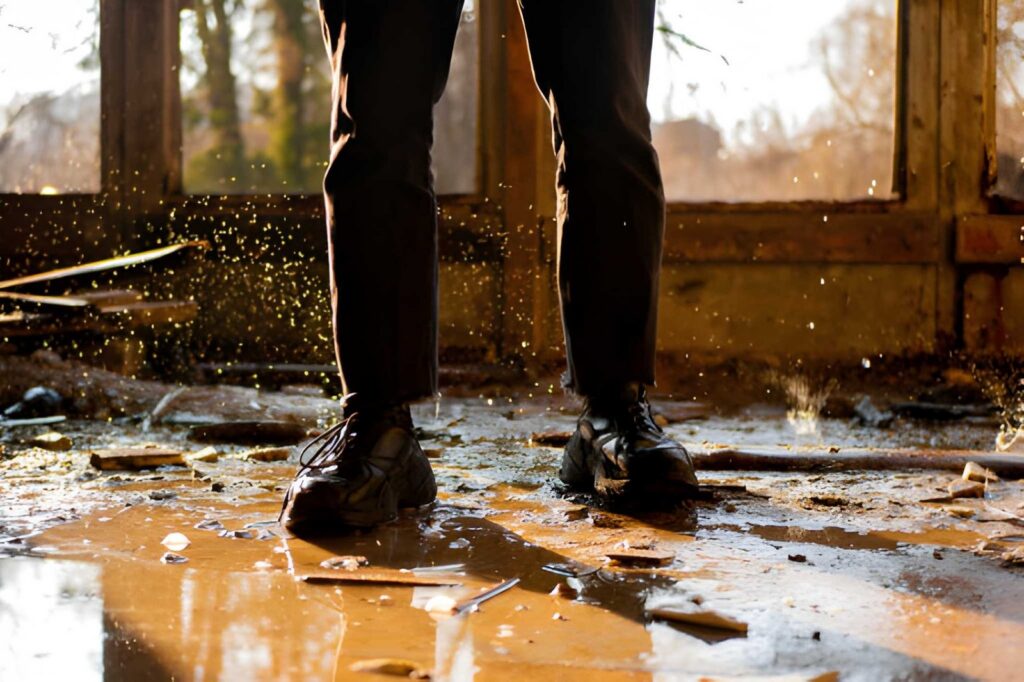
Water damage can happen suddenly—after a burst pipe, heavy rainstorm, sump pump failure, or appliance leak. One of the first questions homeowners ask is:
“Is it safe to stay in my house after water damage?”
The answer depends on several important factors, including the amount of water, the type of water involved, and whether structural or electrical systems were affected. In many cases, staying in the home may be safe but in others, remaining inside could put your health and safety at serious risk.
Understanding the warning signs can help you make the right decision quickly and protect your family, property, and long-term home value.
Quick Answer: Is It Safe to Stay After Water Damage?
It may be safe to stay in your home after minor water damage—but you should leave immediately if there are electrical hazards, structural risks, contaminated water, or significant mold growth.
You should not stay in your home if:
Even when damage looks minor, hidden moisture can create risks that aren’t immediately visible.
• Electrical systems have been exposed to water
• Ceilings or floors are sagging
• Water came from sewage or outside flooding
• There is visible mold growth
• Strong odors or poor air quality are present
• Large areas of the home are wet
When Is It Safe to Stay in My House After Water Damage?
Not all water damage requires evacuation. In some cases, homeowners can remain safely inside while cleanup begins.
It may be safe to stay if:
1. The Water Damage Is Minor
Small leaks—such as water from a broken supply line under a sink—may not require leaving the home if:
• Only a small area is affected
• No electrical systems were impacted
• Floors and walls remain structurally sound
• The water source has been stopped
However, even minor damage should be dried quickly to prevent mold growth.
2. The Affected Area Is Isolated
If water damage is limited to a specific space like a basement, laundry room, bathroom, utility area, etc. and the rest of the home remains dry, it may be possible to stay while restoration work is underway.
Many homeowners in areas like Davenport and Rock Island experience localized basement flooding where the main living areas remain usable.
Still, caution is essential.
3. Professional Drying Has Begun Quickly
Homes are safer to occupy when professional drying equipment is installed early.
Industrial-grade drying equipment helps remove hidden moisture, prevent mold growth, improve indoor air quality, stabilize building materials.
Waiting too long to dry affected materials increases risks significantly.
When You Should Leave Immediately:
Certain conditions make staying in your home unsafe. These risks should never be ignored.
1. Electrical Hazards
Water and electricity are an extremely dangerous combination.
You should leave immediately if:
• Water reached electrical outlets
• Circuit panels were exposed
• Wiring is submerged
• Lights flicker or fail
• There is a burning smell
Never attempt to turn power back on yourself if water exposure is suspected.
An electrician should inspect the system before reentry.
2. Structural Damage
Water can weaken wood framing, drywall, and subfloors. In severe cases, structures can collapse without warning.
Watch for sagging ceilings, bowed walls, soft or spongy flooring, cracks in drywall, doors that no longer close properly
If you notice these signs, the safest choice is to leave until professionals evaluate the structure.
3. Contaminated Water (Category 2 or 3)
Not all water damage is clean water. Water from these sources can be hazardous:
• Sewage backups
• Floodwater from outside
• Overflowing toilets
• Dishwasher or washing machine discharge
• Standing water that has remained for days
Contaminated water can carry bacteria, viruses, parasites and toxic substances. Exposure to this type of water poses serious health risks, especially for children, elderly individuals, and pets.
4. Mold Growth and Air Quality Issues
Mold can begin developing within 24 to 48 hours after water exposure.
You should leave if:
Mold is visible
Strong musty odors are present
Family members experience coughing or irritation
Indoor air feels heavy or humid
Breathing mold-contaminated air can trigger respiratory issues and allergic reactions.
Hidden Dangers Most Homeowners Don’t Consider
Many safety risks aren’t immediately visible. These hidden issues are often discovered days or weeks later.
A. Moisture Behind Walls
Water frequently travels beyond visible areas.
Hidden moisture can:
Soak insulation
Damage framing
Trigger mold growth
Cause drywall deterioration
Even if surfaces appear dry, internal materials may remain saturated.
B. Damage Beneath Flooring
Hardwood, laminate, and carpet can trap water underneath.
This can lead to:
Warping
Buckling
Rot
Subfloor failure
In homes across Bettendorf and Moline, subfloor damage is a common long-term consequence of delayed drying.
C. HVAC System Contamination
Water damage can spread contaminants into HVAC systems.
Once affected, ducts may distribute:
Mold spores
Bacteria
Odors throughout the home.
This creates indoor air quality issues long after the original water event.
Health Risks of Staying in a Water-Damaged Home
Health concerns are one of the most overlooked risks following water damage. These risks increase the longer moisture remains untreated.
1. Respiratory Issues
Mold spores and airborne contaminants can irritate lungs and airways.
Common symptoms include:
Coughing
Sneezing
Shortness of breath
Wheezing
Chest tightness
Children and older adults are especially vulnerable.
2. Skin and Eye Irritation
Contaminated water exposure may cause:
Rashes
Redness
Burning sensations
Eye irritation
Direct contact should be avoided whenever possible.
3. Infection Risks
Sewage-contaminated water can contain dangerous pathogens.
Exposure may lead to:
Gastrointestinal illness
Skin infections
Fever
Nausea
This is one of the strongest reasons to evacuate immediately when contamination is suspected.
How Professionals Determine If It’s Safe to Stay
Restoration professionals assess multiple factors before advising homeowners.
These include:
Moisture Mapping
Specialized meters and infrared tools detect hidden moisture.
Professionals measure:
Walls
Floors
Ceilings
Subfloors
Structural materials
This helps identify unseen risks.
Structural Evaluation
Technicians check:
Load-bearing materials
Floor stability
Ceiling integrity
Foundation movement
Structural safety determines whether occupancy is possible.
Air Quality Testing
In some cases, air sampling is performed to evaluate:
Mold levels
Humidity levels
Contaminant presence
This confirms whether breathing conditions are safe.
What To Do Immediately After Water Damage
Taking the right steps early improves safety and reduces long-term damage.
Step 1: Stop the Water Source
If possible:
Shut off the main water valve
Turn off appliances
Address visible leaks
Stopping the source prevents further spread.
Step 2: Turn Off Electricity (If Safe)
If water is near electrical systems:
Avoid contact
Turn off power from the breaker
Call a professional if unsure
Never enter standing water near electricity.
Step 3: Remove Valuable Items
Move electronics, documents, furniture, personal belongings and the likes
to dry areas if safe.
Step 4: Contact Restoration Professionals
Professional help is critical when:
Water covers large areas
Materials are saturated
Mold risk is present
Structural damage is suspected
Early intervention dramatically reduces risk and repair costs.
How Long Can You Stay in a Water-Damaged Home?
The timeline depends on:
1. Water category
2. Damage severity
3. Drying progress
4. Structural stability
In minor cases, homeowners may remain during cleanup.
In major cases, temporary relocation may be necessary for a period of time.
Safety should always take priority over convenience.
Special Considerations for Quad Cities Homes
Homes in East Moline, Rock Island, and surrounding areas often face regional conditions that increase water damage risks.
These include:
Heavy seasonal rainfall
Snowmelt runoff
Aging plumbing systems
Basement-heavy construction
High humidity in summer months
Older homes, in particular, may be more vulnerable to structural and moisture-related complications.
The Cost of Staying When You Shouldn’t
Remaining in an unsafe home can create long-term consequences.
These may include structural collapse, mold infestations, electrical fires, health complications.
In many cases, early relocation prevents far more expensive damage.
Final Thoughts: Is it safe to stay in my house after water damage?
Whether it’s safe to stay in your home after water damage depends entirely on the severity of the situation.
Minor damage may allow you to remain safely inside. But when electrical systems, structural materials, or contaminated water are involved, leaving immediately is the safest choice.
Even when damage appears small, hidden moisture can lead to long-term risks that aren’t visible right away.
When in doubt, the safest step is to have the situation professionally evaluated as soon as possible. Quick action protects your home, your health, and your peace of mind.
Call now for 24/7 burst pipe water cleanup in the Quad Cities.
We’re ready to respond immediately and take control of the situation.
Call 563-484-4846 and get help today. You can also contact us here or follow us on facebook. 24/7 emergency response available.