


Signs of hidden water damage are often much easier to overlook than people expect — mostly because the damage itself is, by definition, hidden. There’s no dramatic flooding, no puddle on the floor, nothing that immediately screams “call someone.” Instead, it shows up in small, easy-to-dismiss details: a slightly higher water bill, a faint smell, a wall that feels a little different than it used to.
By the time hidden water damage becomes obvious, it’s often been developing for weeks or months. Here’s what to watch for so you can catch it earlier.
Why Hidden Water Damage Is So Easy to Miss
Water doesn’t need a dramatic event to cause serious damage — slow leaks behind walls, under flooring, or inside ceilings can go unnoticed for a long time because they don’t produce the obvious signs people associate with “water damage.” There’s rarely standing water to point to. Instead, the signs tend to be subtle, gradual, and easy to attribute to something else — normal aging, dust, or seasonal humidity.
Sign #1: A Musty or Earthy Smell
This is often the earliest and most reliable indicator. Hidden moisture, especially if mold or mildew has started developing, produces a distinct musty odor even when there’s nothing visible to explain it. If a specific room or area consistently smells slightly “off” compared to the rest of your home, that’s worth investigating.
Sign #2: Discoloration on Walls or Ceilings
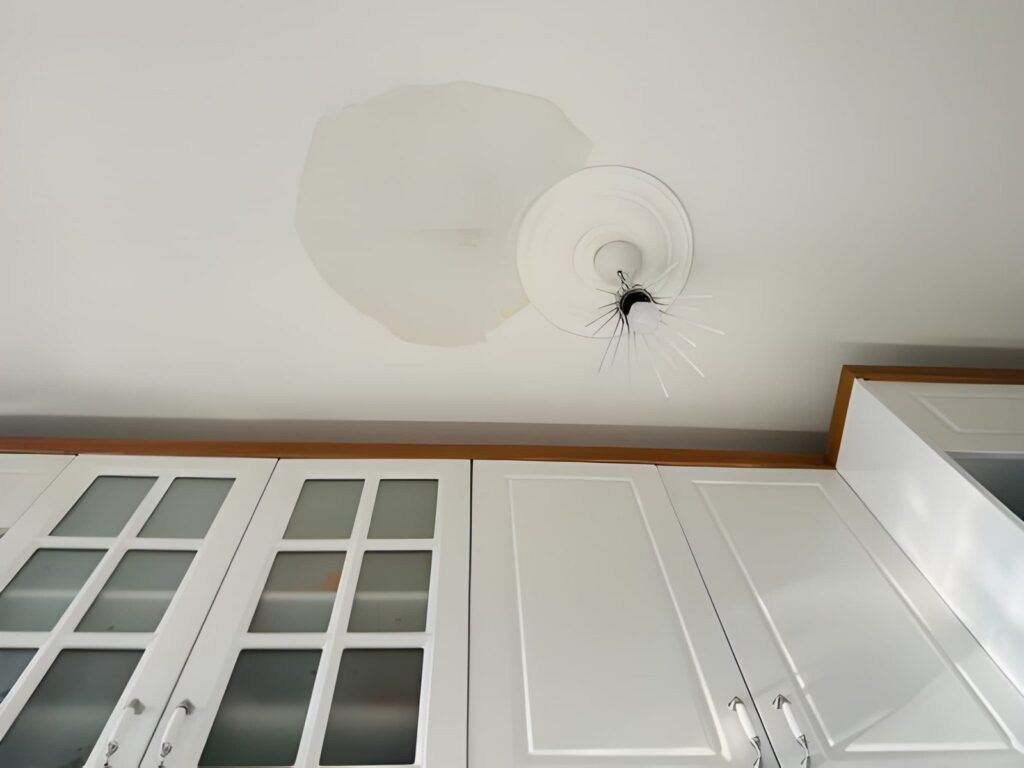
Yellowish, brownish, or copper-colored staining on drywall or ceilings is a classic sign of water traveling through a space before reaching a visible surface. Even faint staining is worth paying attention to — by the time discoloration is clearly visible, water has usually been present for a while.
Sign #3: Peeling Paint or Bubbling Drywall
Paint or wallpaper that’s starting to peel, bubble, or bulge slightly away from the wall often indicates moisture trapped underneath. Drywall that feels soft, spongy, or slightly warped to the touch is showing the same underlying problem.
Sign #4: Warped or Buckling Flooring
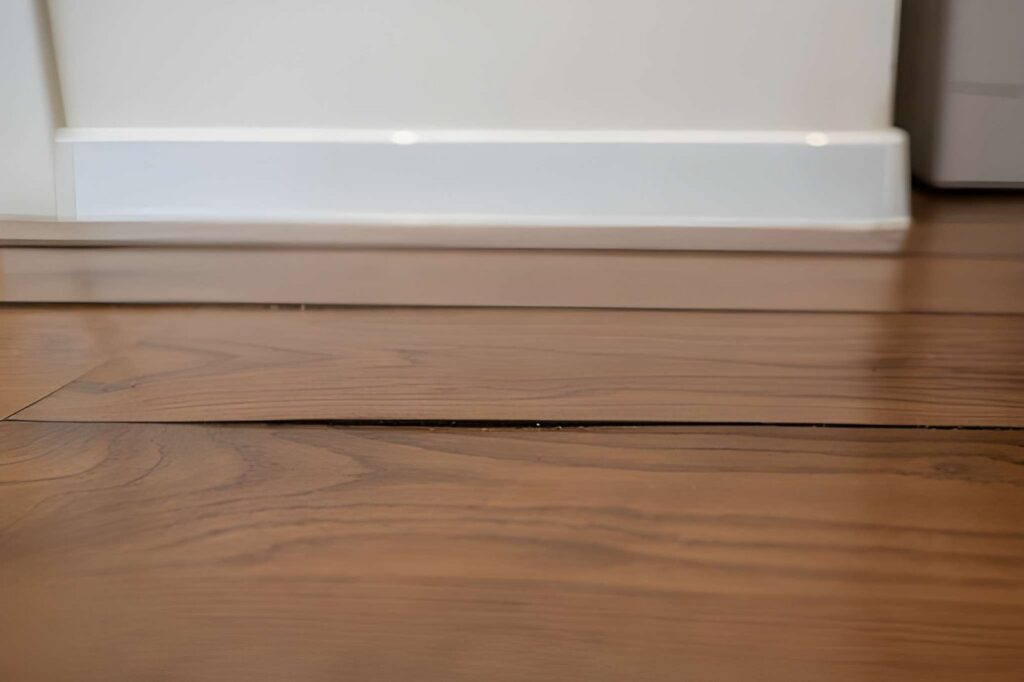
Wood flooring that’s beginning to cup, warp, or separate at the seams, or tile that’s shifting slightly, often points to moisture reaching the subfloor. This is especially common near bathrooms, kitchens, and exterior walls.
Sign #5: An Unexplained Increase in Your Water Bill
A noticeably higher water bill without a clear explanation — no new appliance, no obvious change in usage — is one of the more overlooked signs of a hidden leak, often somewhere in your plumbing system that isn’t visible.
Sign #6: Increased Humidity or Condensation
If certain rooms feel noticeably more humid than others, or windows in a specific area show more condensation than elsewhere in the home, it can indicate moisture accumulating nearby — sometimes from a hidden leak, sometimes from poor ventilation combined with a moisture source you haven’t identified yet.
Sign #7: Cracks in Walls, Ceilings, or Foundation
While cracks can have several causes, new or worsening cracks — especially paired with any of the other signs on this list — can indicate water is affecting structural materials, which is a more serious concern than surface-level moisture alone.
Sign #8: Worsening Allergy or Respiratory Symptoms Indoors
If you or family members notice increased sneezing, coughing, or respiratory irritation specifically while at home — especially in certain rooms — it can be a sign of hidden mold growth resulting from unaddressed moisture.
Sign #9: Sagging or Discolored Ceiling Tiles
In basements or rooms with drop ceilings, sagging or stained tiles are one of the more visible early signs of moisture accumulating above, often from a slow roof or plumbing leak.
Sign #10: A Consistently Damp or “Off” Feeling in a Specific Room
Sometimes there’s no single obvious symptom — just a room that consistently feels slightly damp, cooler, or “off” compared to the rest of the house. Trusting that instinct and investigating further is often worthwhile.
Where Hidden Water Damage Most Commonly Develops
- Behind walls, from slow plumbing leaks inside wall cavities
- Under flooring, especially near bathrooms, kitchens, and exterior walls
- Inside ceilings, from roof leaks or plumbing above
- Around window and door frames, where seals can fail gradually over time
- Basements, from foundation seepage or groundwater intrusion
What to Do If You Notice These Signs
- Don’t wait to “see if it gets worse.” Hidden water damage rarely resolves on its own, and typically progresses the longer it’s left unaddressed.
- Document what you’re noticing — photos of staining, notes on smell or humidity patterns, and your water bill history if relevant.
- Check accessible areas yourself where safe to do so — under sinks, around visible plumbing, in basements and crawl spaces.
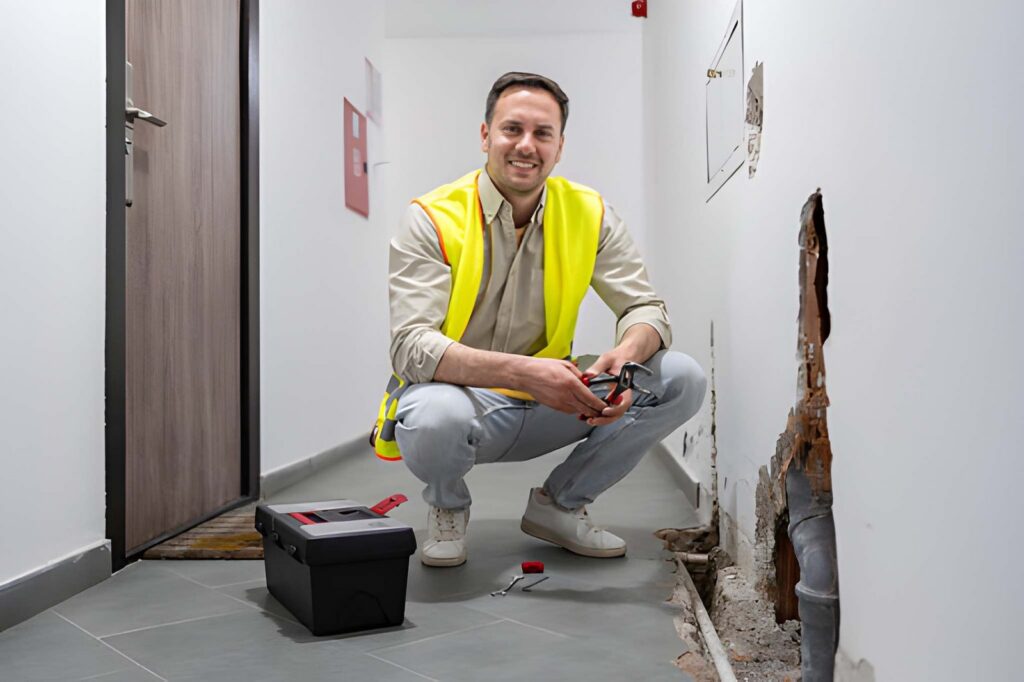
- Call a professional for a moisture assessment. Moisture meters and thermal imaging can detect water hidden inside walls, ceilings, and floors that visual inspection alone can’t catch.
Why Catching It Early Matters So Much
Hidden water damage that’s caught early is often a straightforward, relatively inexpensive fix. Left unaddressed, it typically progresses to:
- Significant mold growth
- Structural damage to framing, subflooring, or drywall
- Damage to personal belongings stored nearby
- A much larger, more expensive repair once the damage finally becomes visible
The gap between “early sign” and “obvious problem” is often where the real cost difference lies.
Frequently Asked Questions
| Question | Answer |
|---|---|
| Can hidden water damage really go unnoticed for months? | Yes — slow leaks behind walls or under flooring often don’t produce obvious signs right away, which is why subtle indicators like smell or staining matter so much. |
| Is a musty smell alone enough reason to call a professional? | It’s a strong early warning sign, especially if it persists or doesn’t have an obvious source like recent rain. It’s reasonable to get it checked even without visible damage yet. |
| How can I tell if warped flooring is from water or just age? | Water-related warping often appears near bathrooms, kitchens, or exterior walls and may be paired with other signs like staining or a musty smell nearby. |
| Can a higher water bill really indicate a leak I can’t see? | Yes — an unexplained increase, without a clear change in usage, is a commonly overlooked sign of a hidden plumbing leak. |
| What’s the best way to actually confirm hidden water damage? | A professional moisture assessment using moisture meters and sometimes thermal imaging can detect water hidden inside walls, ceilings, and floors that isn’t visible to the eye. |
Trust the Small Signs Before They Become Big Problems
Hidden water damage rarely announces itself clearly — it shows up in small details that are easy to dismiss until the problem is much bigger. At PuroClean of Davenport, we can assess your home and identify hidden moisture before it turns into significant, costly damage.
Call PuroClean of Davenport at (563) 484-4846 anytime, 24/7. We’ll respond quickly, assess the damage, answer your questions honestly, and help you protect your home, your belongings, and your peace of mind.
👉 Follow us on Facebook for tips and updates, or fill out our contact form to reach us now.