


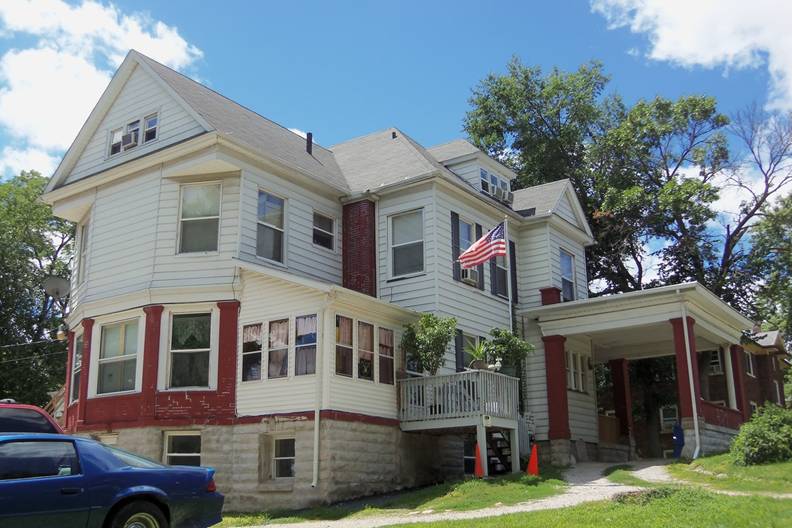
Historic homes need a different approach to water damage. From Victorian residences in the Gold Coast to turn-of-the-century craftsman bungalows near Vander Veer Park, Davenport’s older homes have unique craftsmanship that standard drying methods can easily ruin. That is why water damage restoration for older homes in Davenport takes specialized care.
Older homes were built with dense old-growth lumber, multi-layered horsehair plaster, and tongue-and-groove hardwood floors. When water gets into these materials, aggressive demolition or too much heat can cause cracking, warping, and the loss of original features.
At PuroClean of Davenport, our specialists are trained in preservation-focused drying. Our water damage restoration for older homes in Davenport uses gentle water extraction and low-heat dehumidifiers to save irreplaceable historic features across Scott County.
Unique Architectural Vulnerabilities in Davenport’s Older Homes
Modern homes rely on drywall and standard framing, which are easy to replace when wet. Older homes are different, and water damage restoration for older homes in Davenport has to account for 19th and early 20th-century building methods:
Plaster and Lath Walls
Traditional plaster walls have three coats applied over thin wooden strips called lath. When water gets in, the lath absorbs moisture and swells, breaking the plaster “keys” that hold the wall to the framing.
Standard demolition crews often tear out entire historic plaster walls too soon. The right approach to water damage restoration for older homes in Davenport dries the wall cavity gently and uses tiny, controlled holes to save the original plaster.
Original Old-Growth Hardwood Flooring
Historic Davenport homes often have quartersawn oak, heart pine, or maple floors laid over diagonal plank subfloors. When soaked, old-growth wood expands, causing “cupping” (raised edges) and “crowning” (raised centers) across whole floors.
High-heat air movers can crack fragile wood grain. When we handle water damage restoration for older homes in Davenport, we use special floor drying mats that gently pull moisture up out of the boards without splitting antique wood
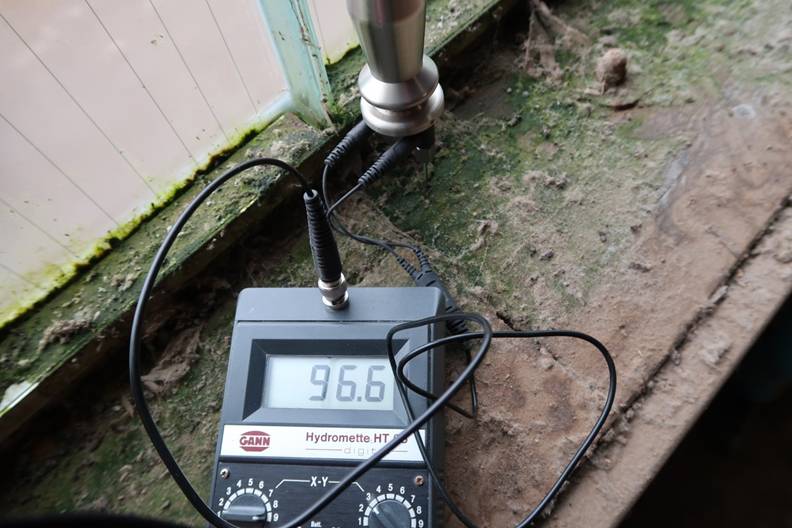
Alt Text: water damage restoration for older homes in Davenport digital probe moisture meter measuring wet historic framing timbers
Old Lead and Galvanized Pipes
Many historic Davenport homes still have galvanized steel or lead pipes hidden behind masonry. As these old pipes corrode, tiny pinhole leaks can soak the framing for months before dampness shows up on the wallpaper.
Stone and Brick Foundation Seepage
Many homes built before 1920 along Davenport’s river bluffs sit on limestone or brick foundations held together with lime-based mortar. Unlike modern cement, historic lime mortar lets moisture pass through, but it breaks down quickly when it stays soaked.
Good water damage restoration for older homes in Davenport manages moisture gently around masonry walls. Too much direct heat can trap moisture, crumble the mortar, and cause the foundation to shift.
Tall Wall Cavities in Victorian-Era Homes
Many late Victorian homes in Scott County use balloon framing, where wall studs run in one piece from the foundation to the roof. Because these walls have no horizontal blocking to slow the spread of water, a leak on an upper floor can quickly run straight down inside the wall.
Without water damage restoration for older homes in Davenport, hidden moisture collects at the bottom of the wall and rots foundation timbers out of sight. Our certified technicians insert drying tubes into baseboard cavities to keep air moving through the full height of the wall.
Our 5-Step Gentle Restoration Process
Our approach to water damage restoration for older homes in Davenport follows the IICRC S500 Standard and protects as much original material as possible:
1. Assessment and Moisture Mapping
We first document the age, materials, and historical importance of the affected areas. Using infrared thermal cameras and deep-reading moisture meters, we find trapped moisture behind brick veneer and plaster without drilling destructive holes.
2. Gentle Bulk Water Extraction
We remove bulk water with precision extraction wands that limit friction against aged wood finishes. Removing surface water quickly keeps moisture from dissolving old glues and oil varnishes.
3. Low-Heat Dehumidification
Older building materials release moisture much more slowly than modern drywall. For water damage restoration for older homes in Davenport, we use commercial dehumidifiers that keep humidity very low without the extra heat that could warp antique woodwork.
Throughout the project, our team records daily readings of humidity, temperature, and moisture in the framing until the structure returns to its natural dry level.
4. Protecting Plaster and Architectural Moldings
To dry wet plaster ceilings without a collapse, we install temporary support bracing and blow dry air into the joist cavities from above. This dries the wet lath strips while keeping painted historic surfaces intact.
5. Antimicrobial Treatment and Odor Removal
Decades of dust and organic horsehair inside older walls can cause musty odors when they get wet. We apply a professional antimicrobial treatment and run air scrubbers to neutralize mold spores and odors. If the damage involves a biological hazard, read our guide to best biohazard cleanup in Davenport to see how we handle it.
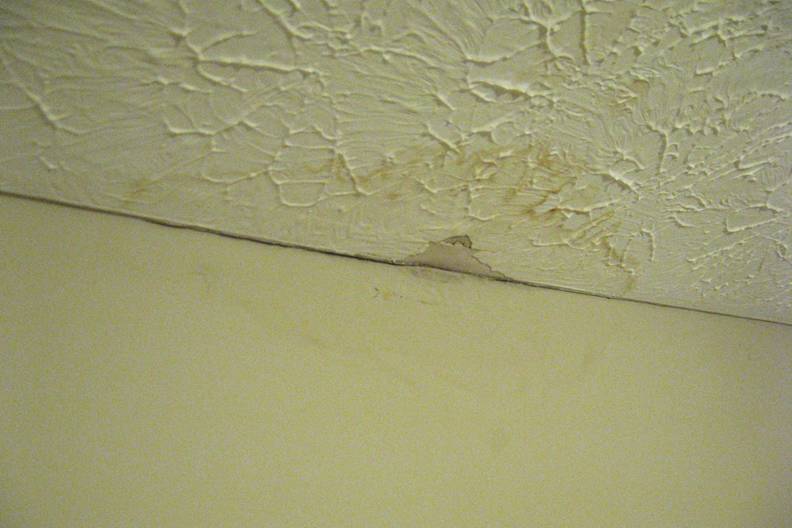
Alt Text: water damage restoration for older homes in Davenport textured plaster ceiling showing brown water staining and damage
Insurance Claims for Older Homes in Davenport
Insurance claims for historic homes need careful documentation to show why water damage restoration for older homes in Davenport saves antique materials instead of replacing them with modern drywall.
PuroClean of Davenport works directly with adjusters who handle historic properties and with preservation organizations. We provide itemized Xactimate estimates that reflect the craftsmanship needed to restore historic architecture. If the water came from a sewage or drain backup, read our guide to best sewage backup cleanup in Davenport for the documentation we provide.
Frequently Asked Questions About Water Damage Restoration for Older Homes in Davenport
Can original hardwood floors be saved after flooding?
Yes, if drying starts before the wood fibers break down. We use vacuum drying mats and controlled low-heat airflow to pull moisture out of tongue-and-groove boards, preventing severe cupping, crowning, and permanent warping.
How do you handle water damage in older homes with lead paint or asbestos?
Many Quad Cities homes built before 1978 contain lead paint, and some have asbestos in the plaster. For water damage restoration for older homes in Davenport, our certified technicians set up sealed, HEPA-filtered containment before any selective demolition and follow EPA lead-safe work practices.
Why do historic plaster walls take longer to dry than modern drywall?
Dense multi-coat plaster and lath hold moisture deep inside the horsehair binder and wooden backing strips. Slow, low-temperature drying is needed to pull moisture out without cracking or loosening the brittle plaster.
Contact Davenport’s Historic Home Restoration Specialists
Your historic home’s character and value deserve certified expertise and gentle care. When water strikes, contact PuroClean of Davenport for water damage restoration for older homes in Davenport that protects what makes your home special.
| Historic Restoration Feature | PuroClean of Davenport Standard |
|---|---|
| Response Time | 24/7 rapid on-site dispatch across Davenport & Bettendorf |
| Preservation Expertise | Gentle drying for plaster, lath, and antique hardwood |
| Drying Equipment | Low-heat dehumidifiers and wall-cavity drying systems |
| Insurance Documentation | Detailed photo logs and historic-home claim support |
| Emergency Direct Line | (563) 484-4846 |