


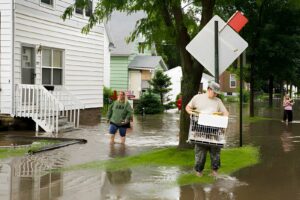
Water damage restoration in Muscatine homeowners search for is rarely a casual search — it’s usually typed into a phone at 2 a.m. with water already spreading across a basement floor, or the morning after a storm when a ceiling stain wasn’t there yesterday. Whatever brought you here, the goal of this guide is simple: explain exactly what water damage restoration in Muscatine homes actually need looks like, so you know what to expect and how to tell a thorough job from a rushed one.
What Water Damage Restoration Actually Means
“Water damage restoration” gets used loosely, but it covers a specific sequence of work, not just mopping up what’s visible:
- Assessment — identifying the water source and category (clean, gray, or black water)
- Extraction — physically removing standing water
- Drying — using air movers and dehumidifiers to remove moisture from materials that absorbed water but aren’t visibly wet
- Disinfection — cleaning and treating affected areas, especially critical for contaminated water
- Material removal — taking out anything too damaged to save
- Reconstruction — rebuilding whatever had to come out
Water damage restoration in Muscatine homeowners actually need almost always includes all of these steps, not just the first two — skipping ahead to drying without proper assessment, or stopping after extraction, is exactly how a manageable job turns into a mold problem weeks later.
Why Water Damage Restoration in Muscatine Requires Local Know-How
Muscatine sits directly on the Mississippi River just downriver from the Quad Cities, which shapes water risk here in ways a typical inland suburb doesn’t deal with:
- Seasonal river rises put pressure on drainage infrastructure across the wider Muscatine area
- Muscatine’s older drainage infrastructure can get overwhelmed during heavy summer storms
- A lot of the housing stock is decades old, meaning pipes, sump pumps, and foundations that are more prone to sudden failure
- Iowa winters bring hard freezes that crack pipes in uninsulated crawlspaces and exterior walls
None of this means every home floods — but it does mean water damage restoration in Muscatine companies handle looks different from what a generic national guide describes, because the causes here are genuinely regional.
The Water Category Determines Everything
Not all water is treated the same way, and this is the first thing any competent restoration company assesses:
Clean water (Category 1) — from a sanitary source like a burst supply line or water heater failure. Lowest risk, most straightforward cleanup.
Gray water (Category 2) — from washing machine overflow, dishwasher leaks, or sump pump failure. Contains some contamination, requires more careful handling.
Black water (Category 3) — sewage backups, floodwater, or water that’s been sitting long enough to become contaminated. Requires specialized safety protocols and disposal.
Getting this classification right at the start determines everything that follows — the equipment used, the safety measures taken, and how materials are handled.
Step-by-Step: What Actually Happens During Restoration
- Inspection — technicians use moisture meters, and sometimes thermal imaging, to map exactly how far water has traveled, including into walls and subflooring you can’t see.
- Extraction — industrial pumps and vacuums remove standing water fast, since the longer water sits, the deeper it penetrates.
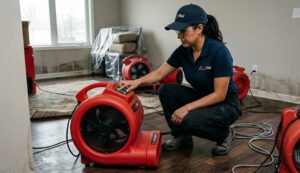
- Drying — commercial air movers and dehumidifiers run for several days, with daily moisture checks rather than guesswork.
- Cleaning and disinfection — surfaces are treated, particularly important for anything beyond clean water.
- Removal — materials too saturated or contaminated to save are taken out.
- Verification — moisture readings confirm the space is actually dry before the job is called complete.
- Reconstruction — anything removed gets rebuilt to restore the space.
A company that stops after step 2 is the single most common reason homeowners end up dealing with mold or warped flooring months later.
How to Evaluate a Restoration Company
Water damage restoration in Muscatine homeowners should feel confident choosing means asking the right questions upfront:
- How fast can you actually respond? Ask for a specific window, not “as soon as possible.”
- Are your technicians IICRC certified? This is the recognized industry standard for restoration training.
- Do you provide a written, itemized estimate? Avoid vague lump-sum numbers.
- Will you coordinate directly with my insurance company? This can significantly simplify your claim.
- How do you confirm the space is dry? Look for mention of moisture meters, not just visual inspection.
- Do you have real experience with Muscatine-specific risk factors like Mad Creek flooding and Mississippi River-driven drainage issues?
What Water Damage Restoration in Muscatine Companies Typically Charge
Pricing depends on water category, affected area size, how long water sat before cleanup began, and which materials need replacement versus drying. A trustworthy company walks you through an itemized estimate rather than a single flat number, since the scope varies so much case to case.
Insurance: What’s Usually Covered
Standard homeowners insurance often covers sudden, accidental water damage — a burst pipe, a failed appliance. It typically does not cover flooding from an external source like a rising creek or overwhelmed storm drain — that requires separate flood insurance, often through the National Flood Insurance Program. If you’re near Mad Creek or another flood-prone part of Muscatine, confirming this now, before a storm, matters.

Preventing the Need for Restoration in the First Place
A little maintenance now is far cheaper than water damage restoration in Muscatine homeowners end up needing later:
- Test your sump pump regularly, especially before storm season and again before winter
- Keep gutters clear, particularly during fall leaf drop
- Check that yard grading directs water away from your foundation
- Address small leaks immediately rather than waiting
- Know your flood zone status if you’re near Mad Creek
Frequently Asked Questions
| Question | Answer |
|---|---|
| How fast should water damage restoration start? | Ideally within an hour or two of discovering the damage — for water damage restoration in Muscatine homeowners rely on, delays significantly increase both cost and the chance of mold. |
| What’s the difference between water damage and flood damage for insurance? | Water damage from an internal source (like a burst pipe) is often covered by standard homeowners insurance; flooding from an external source like a rising creek typically requires separate flood insurance. |
| Can I do water damage restoration myself? | For a small, clean-water spill caught quickly, sometimes. Anything involving contaminated water, a significant area, or water that’s sat more than a few hours is safer left to professionals. |
| How long does restoration typically take? | Most residential jobs take 3–5 days for drying alone, depending on how much water was involved and how long it sat before cleanup began. |
| Why does Muscatine see more water damage than other cities? | Its location on the Mississippi River, aging drainage infrastructure, older housing stock, and hard winter freezes all combine to create more water risk than a typical inland suburb faces. |
Get Water Damage Restoration in Muscatine Done Right the First Time
Whether it’s a minor leak or a significant flood, the difference between a company that just dries what’s visible and one that provides real water damage restoration in Muscatine homeowners can rely on comes down to process, not promises.
Call PuroClean of Davenport at (563) 484-4846 anytime, 24/7. We’ll respond quickly, assess the damage, answer your questions honestly, and help you protect your home, your belongings, and your peace of mind.
👉 Follow us on Facebook for tips and updates, or fill out our contact form to reach us now.