


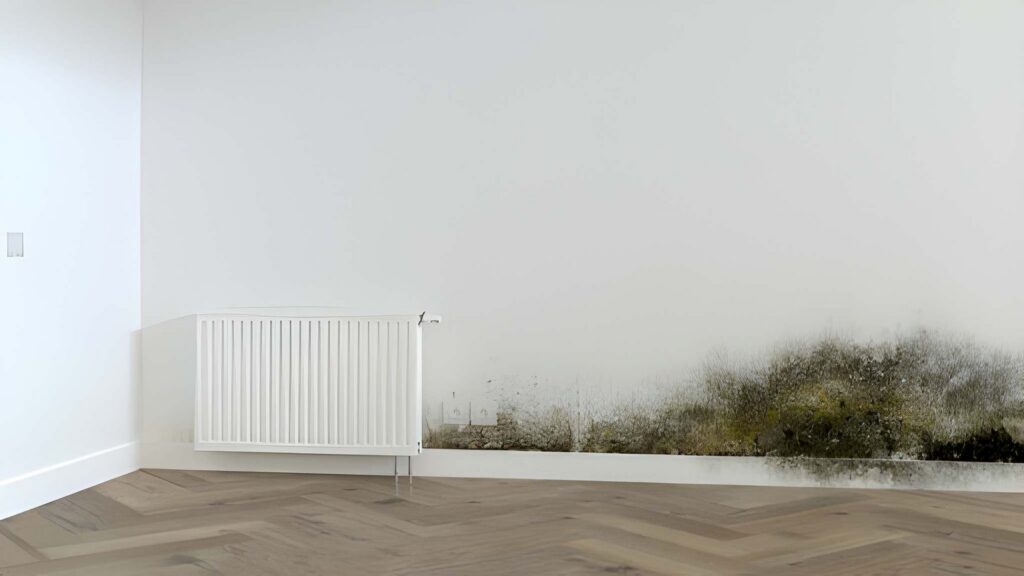
What causes mold to grow so fast in summer is a question a lot of homeowners find themselves asking around this time of year — usually right after spotting a dark patch in a bathroom corner, a musty basement smell that wasn’t there in spring, or a damp spot behind furniture that seemed to appear overnight. The frustrating part is that it can genuinely feel sudden, even though the conditions have usually been building for a while.
Here’s what’s actually driving it, and what you can do to slow it down.
Mold Needs Three Things — And Summer Provides All of Them
Mold growth isn’t random. It requires three specific conditions to thrive:
- Moisture — even a small, consistent amount is enough
- Warmth — mold grows fastest in temperatures roughly between 77°F and 86°F
- Organic material to feed on — drywall, wood, insulation, dust, and even paint all qualify
Summer, especially in Iowa, tends to check every box simultaneously — which is exactly why mold growth accelerates so noticeably this time of year.
Why Summer Specifically Accelerates Mold Growth
1. Higher Humidity Levels
Summer air simply holds more moisture than cooler months. Even without a leak or flooding, elevated ambient humidity alone can push materials in basements, bathrooms, and closets into the moisture range mold needs to grow.
2. Warmer Temperatures Speed Up Growth
Mold’s growth rate is directly tied to temperature. The same amount of moisture that might produce slow, minor growth in winter can lead to visible mold within just a few days once temperatures rise into summer ranges.
3. More Frequent Storms and Heavy Rain
Summer storms often bring intense, short bursts of heavy rain — the kind that can overwhelm drainage, seep into basements, or create humidity spikes throughout the home even without direct water intrusion.
4. Air Conditioning Condensation
AC systems constantly pull humidity out of the air, and that moisture has to go somewhere. Poorly maintained AC units, clogged condensate drains, or leaking ductwork can create small, consistent sources of moisture — often in hidden areas like inside walls or above ceilings.

5. Reduced Airflow in Closed-Up Homes
With windows closed and AC running most of the day, many homes have less natural air exchange in summer than in milder seasons. Stagnant, humid air in poorly ventilated areas (basements, closets, bathrooms) gives mold an easier environment to establish itself.
6. Increased Groundwater Pressure
Saturated soil from repeated summer storms increases hydrostatic pressure against basement walls and foundations, which can push moisture through even small cracks that weren’t previously an issue.
Where Mold Tends to Show Up First in Summer
- Basements, especially near the floor-wall joint or around windows
- Bathrooms, particularly around showers, tubs, and poorly ventilated exhaust fans
- Around AC units and vents, due to condensation
- Closets and storage areas, which often have limited airflow
- Behind furniture placed against exterior walls, where airflow is restricted
Signs Mold May Already Be Growing
- A musty or earthy smell, even without visible growth
- Dark spots or discoloration on walls, ceilings, or grout
- Peeling paint or bubbling drywall
- Increased allergy symptoms or respiratory irritation when in certain rooms
- Condensation that seems to linger longer than usual on windows or pipes
How to Slow Mold Growth This Summer
Control Humidity Indoors
Keeping indoor humidity below roughly 50% significantly slows mold growth. A dehumidifier in basements or other consistently humid areas can make a meaningful difference.
Maintain Your AC System
- Have your system serviced regularly, including checking the condensate drain for clogs.
- Change air filters on schedule to maintain proper airflow.
- Address any signs of leaking ductwork promptly.
Improve Ventilation
- Run bathroom exhaust fans during and after showers.
- Avoid blocking vents or airflow with furniture, especially against exterior walls.
- Consider a basement dehumidifier paired with some air circulation.
Address Water Intrusion Immediately
Any leak, no matter how minor it seems, should be addressed as soon as possible in summer. What might take a week to become a problem in cooler months can happen in just a few days under summer conditions.
Check Grading and Drainage
Make sure gutters, downspouts, and yard grading direct water away from your foundation, especially given how frequently summer storms can saturate the surrounding soil.
When Mold Growth Needs Professional Attention
Small, contained mold on a hard, non-porous surface can sometimes be cleaned safely on your own. However, professional remediation is typically needed when:
- Mold covers a significant area (generally more than about 10 square feet)
- It’s growing on porous materials like drywall, carpet, or insulation
- It keeps returning after you’ve cleaned it
- You’re unsure of the underlying moisture source
- Anyone in the home has significant respiratory sensitivity
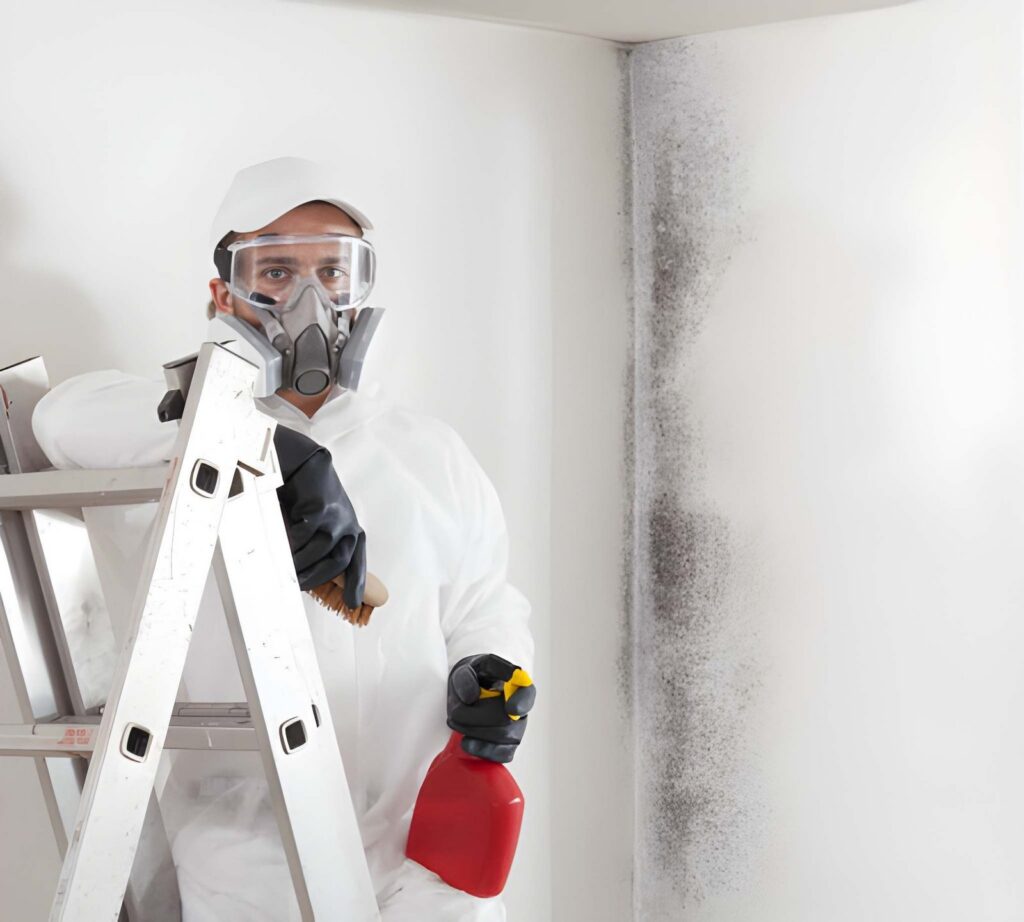
Professional remediation doesn’t just clean visible mold — it identifies and addresses the moisture source causing it, which is the only way to prevent it from simply coming back.
Frequently Asked Questions
| Question | Answer |
|---|---|
| How fast can mold actually grow in summer conditions? | Under warm, humid conditions, visible mold growth can begin within as little as 24–48 hours on a damp surface. |
| Can mold grow without an actual leak? | Yes — elevated humidity alone, especially in poorly ventilated areas like basements, can provide enough moisture for mold to grow even without a direct water source. |
| Is it normal for mold to come back after I clean it? | If it keeps returning, the underlying moisture source likely hasn’t been addressed. Cleaning the surface alone often doesn’t solve the root cause. |
| What humidity level should I aim for indoors? | Keeping indoor humidity below roughly 50% significantly reduces conditions favorable to mold growth. |
| When is DIY mold cleanup not enough? | When mold covers a large area, grows on porous materials, keeps recurring, or the moisture source is unclear, professional remediation is typically needed. |
Get Ahead of Mold Before It Spreads
Summer conditions in Davenport create close to ideal circumstances for mold growth, which means small issues can escalate quickly if left unaddressed. At PuroClean of Davenport, we identify the actual moisture source behind mold growth and help resolve it at the root, not just on the surface.
Call PuroClean of Davenport at (563) 484-4846 anytime, 24/7. We’ll respond quickly, assess the damage, answer your questions honestly, and help you protect your home, your belongings, and your peace of mind.
👉 Follow us on Facebook for tips and updates, or fill out our contact form to reach us now.