


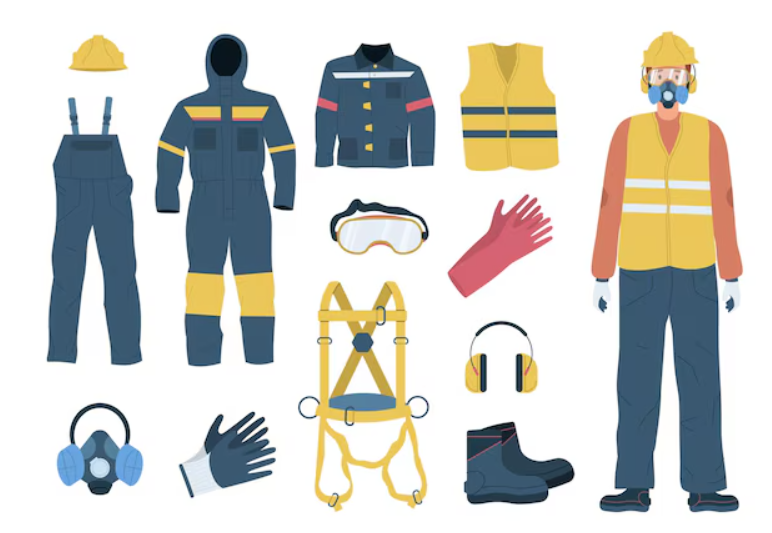
Personal Protective Equipment List and Uses
In the restoration industry, ensuring safety is paramount. Personal Protective Equipment (PPE) plays a crucial role in protecting workers from potential hazards they might encounter on the job. Whether dealing with water damage, fire restoration, mold remediation, or hazardous material cleanup, the right PPE can make a significant difference in safeguarding health and preventing injuries.
In this post, we’ll explore the essential types of PPE, their specific uses, and why each piece is critical for maintaining a safe working environment. From respirators to protective clothing, understanding the proper use and function of PPE is essential for anyone involved in restoration work.
What is a Personal Protective Equipment ?
Personal Protective Equipment (PPE) encompasses a range of gear designed to protect individuals from hazards that could cause injuries or illnesses. In the context of the restoration industry, PPE is essential for safeguarding workers against risks associated with water damage, fire restoration, mold remediation, and the handling of hazardous materials.
Types of Personal Protective Equipment (PPE)
Personal Protective Equipment (PPE) is essential for safeguarding workers from various hazards in the restoration industry. Here are the key types of PPE and their specific functions:
Respiratory Protection:
- Disposable Respirators: Protect against dust, fumes, and airborne particles.
- Half-Face/Full-Face Respirators: Offer more comprehensive protection against gases, vapors, and particulates.
- Powered Air-Purifying Respirators (PAPRs): Provide a continuous supply of clean air, suitable for long-duration tasks or highly contaminated environments.
Protective Clothing:
- Coveralls and Suits: Full-body protection from chemicals, dust, and debris.
- Aprons and Lab Coats: Shield the body from splashes and minor chemical exposure.
- Heat-Resistant Clothing: Protects against high temperatures and flames during fire restoration.
Hand Protection:
- Disposable Gloves: For protection against chemicals and biological hazards.
- Cut-Resistant Gloves: To safeguard hands from sharp objects and tools.
- Heat-Resistant Gloves: For handling hot materials and equipment.
Eye and Face Protection:
- Safety Goggles: Shield the eyes from dust, chemicals, and flying debris.
- Face Shields: Provide additional protection for the entire face against splashes and impact.
Hearing Protection:
- Earplugs: Reduce noise levels, protecting against hearing damage in loud environments.
- Earmuffs: Offer more comprehensive noise reduction, suitable for prolonged exposure to high noise levels.
Head Protection:
- Hard Hats: Protect the head from falling objects, bumps, and electrical hazards.
- Bump Caps: Offer light protection in low-risk environments.
Foot Protection:
- Safety Boots: Provide protection against punctures, slips, and electrical hazards.
- Steel-Toed Boots: Shield the feet from heavy falling objects and compression.
Fall Protection:
Harnesses and Lanyards: Essential for working at heights, preventing falls and ensuring safety.
Hearing Protection:
- Earplugs: Inserted into the ear canal to reduce noise levels.
- Earmuffs: Cover the entire ear to provide a higher level of noise reduction.
Uses of Personal Protective Equipment (PPE)
Personal Protective Equipment (PPE) is indispensable in various work environments, especially in the restoration industry, where workers are often exposed to hazardous conditions.
- Respiratory Protection: Guards against inhaling harmful dust, fumes, gases, and vapors.
- Protective Clothing: Shields the body from chemicals, dust, debris, heat, and flames.
- Hand Protection: Prevents cuts, abrasions, and exposure to chemicals and biological hazards.
- Eye and Face Protection: Protects eyes and face from dust, chemicals, flying debris, and splashes.
- Hearing Protection: Reduces noise levels to prevent hearing damage.
- Head Protection: Protects the head from falling objects, impacts, and electrical hazards.
- Foot Protection: Safeguards feet from punctures, slips, heavy objects, and electrical hazards.
- Fall Protection: Prevents falls and ensures safety when working at heights.
Conclusion
Personal Protective Equipment (PPE) is vital for ensuring the safety and health of workers in the restoration industry. By understanding the various types of PPE and their specific uses, restoration professionals can better protect themselves from the multitude of hazards they face daily.
Proper training in the use and maintenance of PPE, coupled with a commitment to safety protocols, ensures that workers can perform their tasks effectively while minimizing risks. Investing in the right PPE not only safeguards individuals but also enhances the overall efficiency and success of restoration projects. Prioritizing safety through the appropriate use of PPE is a fundamental aspect of any responsible and professional restoration company.