


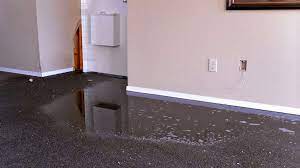
Steps On How to Dry Wet Carpet After Flood
When a flood strikes, it can leave your home in chaos and your carpets soaked and at risk for mold growth and permanent damage. Knowing how to properly dry your wet carpet is essential to prevent further complications and restore your home to its pre-flood condition.
In this guide, we will walk you through the crucial steps to effectively dry out your carpet after a flood, ensuring you protect both your investment and your health. From immediate actions to long-term solutions, follow these steps to bring your carpet back to life and keep your home safe and comfortable.
Reasons to Dry Wet Carpet After Flood
It’s crucial to address wet carpets promptly to prevent a host of problems that can arise from prolonged moisture exposure. Here are some key reasons to dry your wet carpet as soon as possible after a flood:
1. Prevent Mold and Mildew Growth:
Damp carpets create an ideal environment for mold and mildew to thrive. These fungi can start growing within 24 to 48 hours, leading to health issues such as allergies, respiratory problems, and other serious conditions.
2. Protect Your Health:
Wet carpets can harbor bacteria and other pathogens that pose health risks. Drying your carpet quickly helps eliminate these harmful microorganisms, ensuring a healthier living environment.
3. Avoid Structural Damage:
Excess moisture can seep into the subfloor and structural elements of your home, leading to rot, warping, and weakening of the building materials. Drying your carpet prevents further damage to the underlying structure.
4. Save Your Carpet and Padding:
Prolonged exposure to water can cause irreversible damage to your carpet fibers and padding. By drying them promptly, you increase the chances of salvaging these materials and avoiding the cost of replacement.
5. Prevent Unpleasant Odors:
Wet carpets can develop musty odors that are difficult to eliminate. Quick drying helps prevent these smells from setting in, keeping your home fresh and pleasant.
Steps to Dry Out Your Carpet After a Flood or Leak
1. Remove Excess Moisture:
Start by extracting as much water as possible from the carpet. This crucial step helps prevent further damage to both the carpet and the padding underneath. Use towels, a wet/dry vacuum, or absorbent materials like rice to soak up the moisture.
2. Enhance Air Circulation:
Turn on fans, air conditioners, and open windows to improve air circulation. This will accelerate the drying process by increasing airflow throughout the affected area.
3. Use a Dehumidifier:
Renting or purchasing a dehumidifier can significantly aid in removing moisture from the air, thereby helping the carpet dry more quickly.
4. Steam Clean the Carpet:
Steam cleaning can effectively remove any remaining moisture from the carpet fibers and kill mold or mildew that may have begun to develop.
5. Apply Baking Soda:
Sprinkle baking soda over the damp areas of your carpet and allow it to sit for 24 hours. Baking soda acts as a natural desiccant, absorbing trapped moisture. Afterward, vacuum thoroughly to remove the baking soda.
6. Consult Professionals:
If the carpet padding is soaked, it might need to be replaced. A professional can assess the extent of the damage and recommend the best course of action.
7. Hire Professional Cleaners:
If you’re unsure about handling the drying process yourself, consider hiring a professional carpet cleaning company. We have the expertise and equipment to ensure your carpet is dried thoroughly and efficiently.
In situations of water damage, waiting is not an option. Contact PuroClean Emergency Recovery Services in New Jersey immediately at (877) 750-7876 for comprehensive carpet cleaning and water damage restoration services tailored to your New Jersey home. Our seasoned professionals are equipped to assess, mitigate, and restore, ensuring that your property is returned to its pre-damage state. Don’t let water damage compromise the comfort and safety of your home—trust PuroClean Emergency Recovery Services in New Jersey for swift and effective restoration solutions.
How long to let baking soda sit on wet carpet
Baking soda is a popular and effective method for dealing with wet carpets, especially for its ability to absorb moisture and neutralize odors. To use baking soda on a wet carpet, sprinkle a generous amount over the affected area.
Allow the baking soda to sit for at least 24 hours to maximize its moisture-absorbing properties. This duration gives the baking soda ample time to draw out excess moisture from the carpet fibers and underlying padding. After the 24-hour period, thoroughly vacuum the carpet to remove the baking soda residue. This process not only helps in drying the carpet but also in deodorizing it, leaving your home smelling fresh and clean.
Does rice on wet carpet work and how long should it stay?
Using rice to dry a wet carpet is not as effective as other methods. Rice is known for its moisture-absorbing properties, commonly used to dry small electronics. However, its application for carpets is limited due to its inability to cover large surface areas effectively and the difficulty of removing rice grains from carpet fibers.
If you decide to use rice, spread a thin layer over the wet area and let it sit for 24 to 48 hours. Check periodically to see if the rice is absorbing the moisture. Be prepared to vacuum and clean the carpet thoroughly afterward to remove all rice particles. Despite this, using rice is not recommended due to its inefficiency and the potential mess it creates. More effective methods, such as using baking soda, commercial drying agents, or professional equipment, are advisable for dealing with wet carpets.