


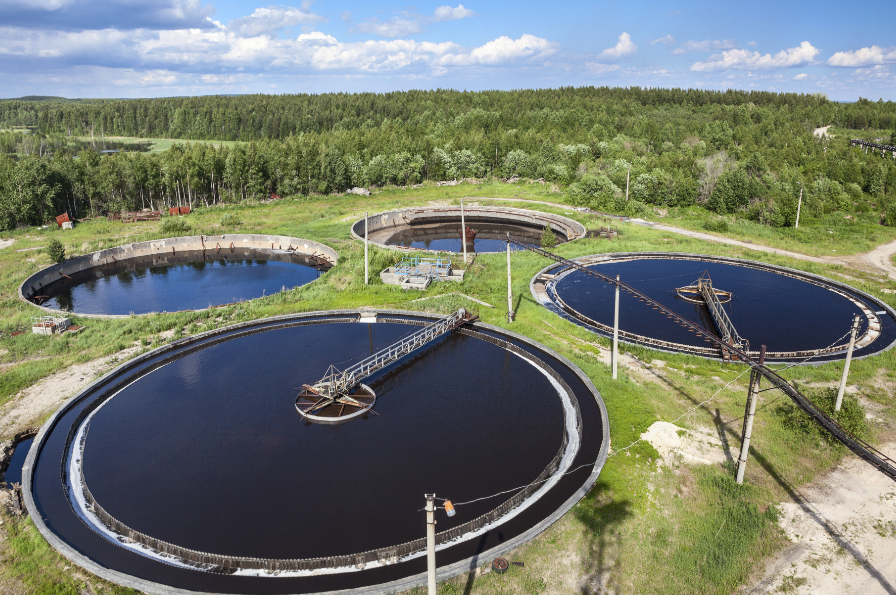
Welcome to our blog! Today, we are diving into an essential yet often overlooked part of our daily lives: wastewater treatment plants and the processes that keep our water clean. These facilities play a critical role in maintaining public health and environmental sustainability by treating the water that flows down our drains and into our sewer systems.
From the moment wastewater leaves our homes, businesses, and industries, it embarks on a fascinating journey through a series of sophisticated treatments designed to remove contaminants and return clean water to our natural water bodies.
Join us as we explore the intricacies of wastewater treatment plants, the various stages of the treatment process, and the importance of this crucial infrastructure in our communities. Whether you’re a homeowner, a business owner, or simply curious about how wastewater treatment works, this comprehensive guide will provide you with valuable insights into the complex world of wastewater management.
What is wastewater treatment plant?
A wastewater treatment plant is a facility designed to remove contaminants from wastewater, primarily from household sewage and industrial effluents, to produce water that is safe to be released back into the environment or reused for various purposes. These plants play a crucial role in preventing pollution, protecting public health, and maintaining the quality of water bodies such as rivers, lakes, and oceans.
Looking for Sewage Cleanup in New Jersey? – Call (877) 750-7876
Call us at (877) 750-7876 for a fast response 24/7. We offer sewage cleanup and removal service in New Jersey, serving areas like Bridgewater, Cherry hill, Bound Brook, Edison, and the surrounding area in New Jersey. Call us today!
Wastewater treatment process
The wastewater treatment process is a series of steps designed to remove contaminants from wastewater and produce water that is safe for release into the environment or for reuse. This process typically involves multiple stages, each targeting different types of pollutants.
4 stages of wastewater treatment
Here’s a detailed overview of the key stages in the wastewater treatment process:
1. Preliminary Treatment
Screening: Large debris such as rags, sticks, plastic, and other solid materials are removed using screens. This prevents damage to the subsequent treatment equipment.
Grit Removal: Sand, gravel, and other heavy particles settle in a grit chamber, where they can be removed. This step helps prevent abrasion and clogging in the treatment process.
2. Primary Treatment
Sedimentation: Wastewater flows into large primary sedimentation tanks where heavier solids settle to the bottom as sludge, and lighter materials like oils and grease float to the surface. These are then removed. This process significantly reduces the suspended solids and organic load.
3. Secondary Treatment
Biological Treatment: This stage uses microorganisms to break down organic matter. There are several methods for biological treatment:
Activated Sludge Process: Wastewater is mixed with a small amount of sludge loaded with bacteria. Oxygen is pumped into the mixture to support bacterial growth, which consumes organic matter. The mixture then settles in a secondary clarifier, where clean water is separated from the sludge.
Trickling Filters: Wastewater is spread over a bed of rocks or other material, where microorganisms grow and form a biofilm. As the water trickles through the bed, the biofilm absorbs and breaks down organic pollutants.
Bio-Towers: Similar to trickling filters but usually taller structures with a more concentrated biofilm process.
Aeration: Air is introduced to the wastewater to maintain high oxygen levels, encouraging the growth of aerobic bacteria that decompose organic matter.
4. Tertiary Treatment
Filtration: Remaining fine particles are removed using sand filters, membrane filtration, or other advanced filtration systems.
Disinfection: Pathogens are killed to ensure the treated water is safe. Common methods include:
Chlorination: Adding chlorine to the water, which is effective but can produce harmful by-products.
Ultraviolet (UV) Light: Exposing water to UV light, which kills or inactivates microorganisms.
Ozonation: Using ozone gas to disinfect water, which is effective and does not leave harmful residues.
The other two processes of wastewater treatment are;
5. Sludge Treatment
Thickening: Excess water is removed from the sludge, increasing its solids concentration.
Digestion: The sludge undergoes further breakdown of organic matter, either through anaerobic digestion (without oxygen) or aerobic digestion (with oxygen). This reduces the volume of sludge and produces biogas, which can be used as an energy source.
Dewatering: The sludge is dried using centrifuges, belt presses, or drying beds to reduce its volume and weight, making it easier to handle and dispose of.
6. Discharge or Reuse
Discharge: The treated water, now meeting environmental standards, is discharged into natural water bodies such as rivers, lakes, or oceans.
Reuse: Treated water can be repurposed for various uses, including:
Irrigation: For agriculture or landscaping.
Industrial Processes: Cooling, processing, or cleaning.
Potable Water: After additional advanced treatment, it can be reused as drinking water.
Conclusion
Wastewater treatment is a vital process that ensures the health and sustainability of our communities and environment. By understanding the four main stages—preliminary, primary, secondary, and tertiary treatment—we can appreciate the complexity and importance of this essential infrastructure. These stages work together to remove contaminants, protect our water bodies, and support the reuse of water in various applications.
As we continue to face challenges like population growth and climate change, efficient wastewater treatment becomes even more critical. Investing in advanced treatment technologies and practices not only safeguards public health but also promotes environmental stewardship. Whether it’s for residential, industrial, or agricultural use, treated wastewater is a valuable resource that contributes to a sustainable future.