 PuroClean Emergency Recovery Services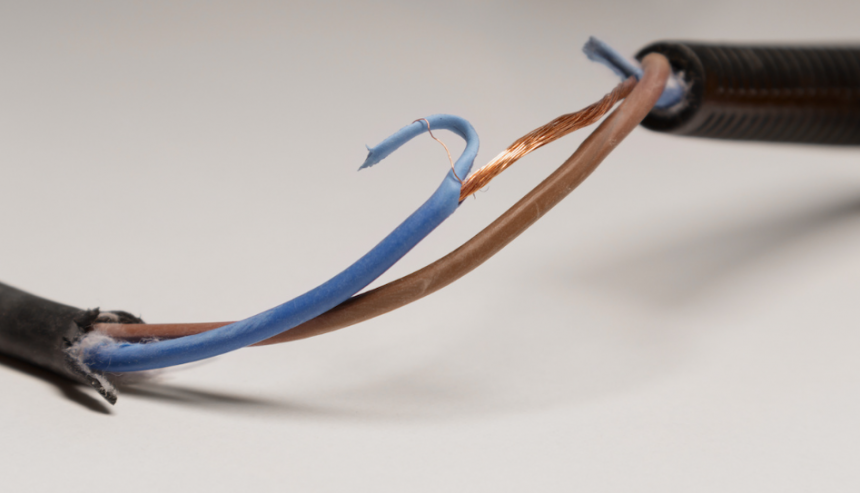
Electrical cords are always present in our modern lives, powering our devices, appliances, and lighting systems with effortless efficiency. However, beneath their seemingly innocuous appearance lies a potential hazard that can spark danger and disaster: fraying. Frayed electrical cords pose significant risks, ranging from minor inconveniences to life-threatening emergencies.
In this blog post, we delve into the common hazards associated with frayed electrical cords and provide practical tips on how to prevent them. Whether you’re a homeowner, renter, or business owner, understanding these dangers and taking proactive measures can safeguard you, your loved ones, and your property from the perils of electrical mishaps. Let’s explore the hidden dangers lurking within those seemingly harmless cords and discover how to keep them at bay.
What are Frayed Electrical Cords?
Frayed electrical cords are cords that have become worn down or damaged over time, resulting in exposed wires or insulation. This wear and tear can occur due to various factors, including frequent bending, twisting, or pulling of the cord, exposure to heat, moisture, or chemicals, and general aging. When the outer protective covering of an electrical cord deteriorates, the internal wires become vulnerable to damage and exposure.
Visually, frayed electrical cords may display visible signs of wear, such as splits or breaks in the outer insulation, exposed wires, or bare metal conductors. In some cases, the fraying may be subtle and only detectable upon closer inspection. Regardless of the extent of fraying, it poses significant risks, as it compromises the safety and integrity of the cord.
What Are The Signs to Look For?
Recognizing the signs of frayed electrical cords is essential for maintaining a safe environment and preventing potential hazards. Here are some common signs to look out for:
Visible Damage: Inspect the entire length of the electrical cord for any visible signs of wear and tear, such as fraying, splitting, or cracking of the outer insulation. Pay close attention to areas near plugs, sockets, and bends where stress on the cord is highest.
Exposed Wires: Examine the cord carefully to see if any wires are exposed or protruding through the outer covering. Exposed wires pose a significant risk of electric shock and should be addressed immediately.
Burn Marks or Discoloration: Burn marks or discoloration along the length of the cord indicate overheating and potential damage to the internal wiring. This could be caused by excessive heat generated from overloading, short circuits, or faulty connections.
Flickering or Intermittent Power: If the connected device experiences flickering lights, intermittent power supply, or sudden shutdowns, it could be due to a frayed electrical cord causing poor connectivity or short circuits.
Strange Smells or Sounds: A burning odor or unusual buzzing or crackling sounds emanating from the electrical cord are signs of potential overheating or electrical arcing, indicating underlying damage that requires immediate attention.
How to Prevent Frayed Electrical Cords from causing hazards

Preventing frayed electrical cords from causing hazards is crucial for maintaining a safe environment and minimizing the risk of electrical accidents. Here are some effective measures to help prevent frayed cords from posing hazards:
- Regular Inspection: Conduct routine inspections of all electrical cords and cables in your home or workplace. Look for signs of wear and tear, including fraying, splitting, or exposed wires. Inspect cords before each use and replace any damaged ones immediately.
- Proper Handling: Handle electrical cords with care to prevent unnecessary strain and damage. Avoid pulling or yanking on cords when unplugging devices; instead, grasp the plug itself. Additionally, refrain from bending cords sharply or running them through areas where they may be pinched or crushed.
- Avoid Overloading Outlets: Overloading electrical outlets with too many devices can lead to overheating and potential damage to cords. Use power strips and surge protectors equipped with overload protection to distribute power safely and avoid excessive strain on cords.
- Cord Management: Properly manage and organize cords to minimize tangles and reduce the risk of damage. Use cord organizers, cable ties, or cable management systems to keep cords neat and tidy, preventing them from becoming tangled or twisted.
- Protective Coverings: Use protective coverings such as cord covers or conduit to shield electrical cords from physical damage, especially in high-traffic areas or where cords are exposed to potential hazards such as foot traffic or moving furniture.
Electric Shock Hazards
Electric shock hazards pose serious risks to personal safety and can lead to severe injury or even death. Understanding these hazards and taking appropriate precautions is essential for preventing accidents.
Electrical cords that are frayed can cause Fire hazards
What to do when Frayed Electrical Cords Cause An Electrical Fire
Power cords transmit powerful and potentially hazardous electrical currents. Improper placement and inadequate maintenance of these cords can lead to electric shocks, endangering anyone who comes into contact with them.
To minimize the risk of electric shock, adhere to the following three guidelines:
- Promptly replace any electrical cord showing signs of wear, fraying, or damage. Do not continue using cords that exhibit these issues, as they pose an increased risk of electrical hazards.
- Keep all cords away from sources of water, including open windows and areas with potted plants. Water and electricity do not mix well and can result in dangerous shocks or electrical fires.
- Use only cords that have been certified by Underwriters Laboratories (UL). Look for the “UL” symbol on the cord, indicating that it has undergone rigorous testing and meets safety standards established in the United States. Choosing UL-certified cords ensures a higher level of safety and reliability in your electrical connections.
What to do when there is hazard from Frayed cords
When faced with a hazard from frayed cords, it’s crucial to take immediate action to prevent accidents and ensure personal safety. Here’s what to do:
- Disconnect Power: If you notice a frayed cord posing a hazard, the first step is to disconnect power to the affected device or appliance. Unplug the cord from the electrical outlet or turn off the circuit breaker to cut off the electricity supply and eliminate the risk of electric shock or fire.
- Assess the Damage: Carefully examine the extent of damage to the frayed cord. Determine if the fraying is minor and limited to the outer insulation or if there are exposed wires. Avoid touching the frayed area with bare hands to prevent accidental contact with live wires.
- Isolate the Cord: If possible, isolate the frayed cord from other electrical cords and devices to prevent further damage or potential hazards. Remove any nearby objects or obstacles that may pose a risk of tripping over the cord or causing additional damage.
- Replace or Repair: Depending on the severity of the fraying and the condition of the cord, you may need to replace or repair it. If the damage is minor and limited to the outer insulation, you can attempt to repair the cord using electrical tape or heat shrink tubing to cover the frayed area temporarily. However, for significant damage or exposed wires, it’s safer to replace the entire cord to ensure proper insulation and functionality.
- Seek Professional Help: If you’re unsure about how to safely repair or replace the frayed cord, or if the damage is extensive, it’s best to seek assistance from a qualified electrician. Electricians have the expertise and tools necessary to assess and address electrical hazards effectively while ensuring compliance with safety standards.
- Preventive Measures: Take preventive measures to avoid similar hazards in the future. Regularly inspect all electrical cords and cables for signs of wear and tear, and replace any damaged or frayed cords promptly. Follow proper cord management practices, avoid overloading electrical outlets, and use surge protectors and GFCIs (ground fault circuit interrupters) to enhance safety.
- By taking swift and appropriate action when faced with hazards from frayed cords, you can mitigate the risk of accidents and maintain a safe environment for yourself and others.



 PuroClean Emergency Recovery Services