


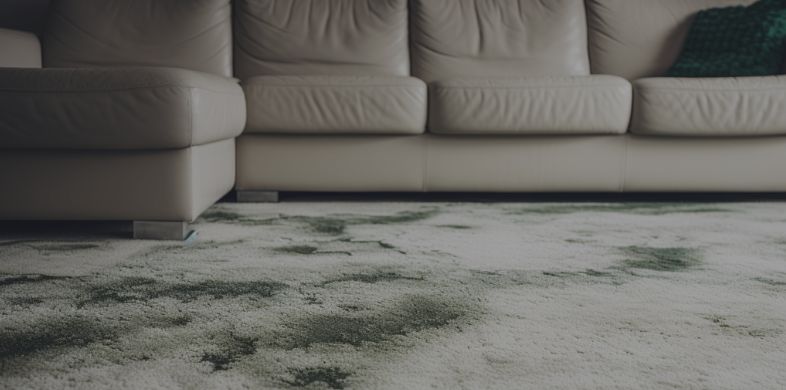
How to Clean Mold from Carpet
Mold on carpet can be more than just an unpleasant sight—it poses health risks and can damage your home if not dealt with promptly. Whether it’s the result of water damage, high humidity, or a leaky pipe, mold growth in carpet fibers can spread quickly. The good news is that with the right tools and techniques, you can remove mold from your carpet and prevent it from returning.
In this guide, we’ll walk you through the steps to safely clean and remove mold from carpets, helping you restore your home to a healthier state. Let’s get started!
What causes mold on carpet?
Mold on carpet is caused by a combination of moisture, warmth, and organic material, which creates an ideal environment for mold spores to thrive. Here are the main factors that contribute to mold growth on carpets:
Excess Moisture: Water damage from flooding, leaks, spills, or high humidity levels can saturate the carpet and its padding, creating a damp environment perfect for mold growth. If moisture is not dried out within 24-48 hours, mold spores can begin to develop.
Poor Ventilation: In rooms with little to no air circulation, moisture gets trapped in the carpet, making it harder for the fibers to dry out. This is common in basements or rooms without proper ventilation.
Humidity Levels: High indoor humidity, typically above 60%, can lead to condensation on surfaces, including carpets. Over time, this dampness can lead to mold growth.
Lack of Sunlight: Dark, shaded areas provide a prime environment for mold to flourish. Carpets in basements, under furniture, or in areas that receive little natural light are more prone to mold growth.
Organic Materials: Dirt, dust, and debris that accumulate in carpets contain organic materials that mold uses as a food source. The combination of moisture and organic matter allows mold to thrive.
Previous Water Damage: If a carpet has experienced water damage in the past and wasn’t thoroughly dried, mold could develop later on, especially if moisture is reintroduced.
How to Clean and Remove Mold from Carpet: A Step-by-Step Guide
Mold on carpet not only damages the fibers but also poses health risks, such as triggering allergies or respiratory issues. If you’ve discovered mold on your carpet, acting quickly is crucial to prevent further damage and protect your health. Here’s a detailed step-by-step guide to effectively clean and remove mold from carpets:
Step 1: Protect Yourself
Before you begin cleaning, it’s essential to take safety precautions.
Wear gloves, a face mask (preferably an N95 respirator), and goggles to protect yourself from mold spores.
Ensure proper ventilation by opening windows and doors. If possible, use fans to direct spores outside.
Step 2: Assess the Damage
Determine the extent of the mold growth. If the mold has spread deep into the padding or is extensive across the carpet, professional restoration may be necessary.
If the affected area is small, you can proceed with cleaning.
Step 3: Remove Moisture
Use a wet-dry vacuum or towels to remove any excess moisture from the carpet.
If the carpet is still damp from a leak or flood, run a dehumidifier or fans to dry the area as much as possible before proceeding.
Step 4: Vacuum the Carpet
Vacuum the moldy area to remove loose mold spores, dirt, and debris. Use a vacuum with a HEPA filter to avoid spreading spores into the air.
Dispose of the vacuum bag or clean the vacuum filter immediately after use.
Step 5: Use a Mold Cleaner or Natural Solution
Commercial Mold Cleaner: Apply a mold-specific carpet cleaner that is designed to kill mold and prevent regrowth. Follow the manufacturer’s instructions carefully.
Natural Mold Remover: For a DIY solution, mix one part white vinegar to two parts water, or use baking soda with a small amount of water to create a paste. Vinegar kills up to 82% of mold species and helps to deodorize the carpet.
Step 6: Scrub the Carpet
Apply the mold cleaner or natural solution generously to the moldy area.
Use a stiff brush to scrub the carpet fibers and work the solution into the material.
Be thorough, ensuring that you address the mold on the surface as well as any that may have penetrated deeper into the carpet fibers.
Step 7: Rinse and Blot the Area
Rinse the treated area with clean water to remove any remaining cleaning solution.
Use clean towels or a wet-dry vacuum to blot and extract as much moisture as possible from the carpet.
Step 8: Dry the Carpet Thoroughly
Use fans, dehumidifiers, or natural airflow to dry the carpet completely. Make sure the carpet is fully dry to prevent any future mold growth.
It may take a few hours to a day depending on the size of the area and humidity levels.
Step 9: Prevent Future Mold Growth
Keep humidity levels in your home below 50% to reduce the chances of mold returning.
Regularly vacuum and clean carpets to remove dirt and organic material that mold can feed on.
Address any leaks or moisture issues immediately to prevent water from seeping into the carpet.
By following these steps, you can effectively remove mold from your carpet and ensure a healthier, mold-free environment in your home. If the mold is widespread or persists after cleaning, it may be time to call in professional mold remediation services to address the issue thoroughly.