


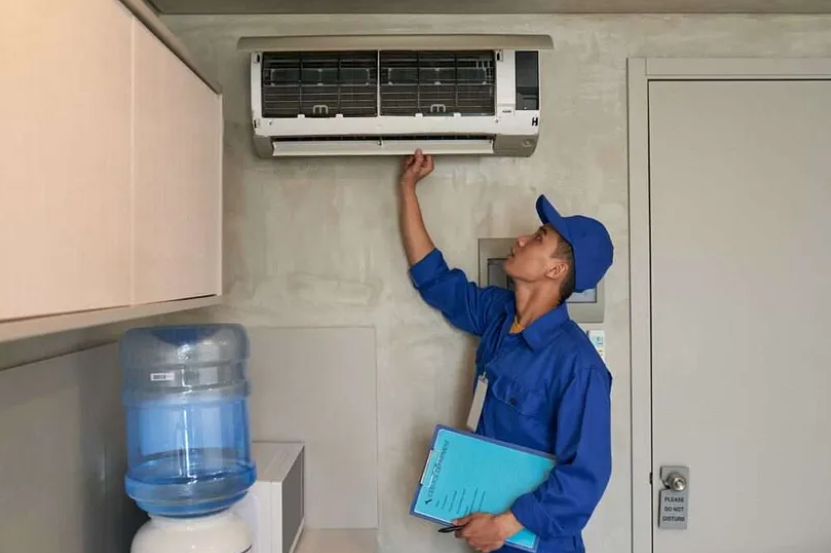
Getting Rid of Mold in Air Conditioner
Summer brings warmth and sunshine, but it also brings the challenge of keeping our indoor environments cool and comfortable. Your air conditioner is a crucial ally in this battle, ensuring that your home remains a haven of refreshment.
However, the damp, cool environment inside your AC unit can become a breeding ground for mold if not properly maintained. Mold not only reduces the efficiency of your air conditioner but also poses serious health risks, including respiratory issues and allergic reactions.
In this comprehensive guide, we’ll explore practical and effective strategies to prevent mold growth in your air conditioner. From routine maintenance tips to understanding the warning signs of mold, we will equip you with the knowledge you need to keep your air conditioner clean, efficient, and safe for your home. Let’s dive in and ensure that your air conditioning system remains a mold-free, cool breeze all summer long.
For Mold Removal Service in New Jersey, Call (877) 750-7876
Causes of Mold in Air Conditioners
Understanding the causes of mold growth in air conditioners is the first step in preventing it. Mold thrives in environments that offer moisture, warmth, and organic material to feed on.
Here are the primary factors that contribute to mold growth in your air conditioning system:
Humidity and Moisture:
Condensation: Air conditioners naturally produce condensation as they cool the air. This moisture can accumulate in the unit if not properly drained.
High Humidity: Areas with high humidity levels provide an ideal environment for mold growth. Humid air can increase the moisture inside the air conditioner.
Poor Ventilation:
Restricted Airflow: Blocked or dirty filters can restrict airflow, leading to an increase in moisture and providing a perfect breeding ground for mold.
Stagnant Air: Poor ventilation within the AC unit can lead to stagnant air pockets where mold spores can settle and grow.
Lack of Maintenance:
Dirty Filters and Coils: Dust and dirt accumulation on filters and coils provide organic material for mold to feed on. Regular cleaning and replacement of filters are essential to prevent this.
Clogged Drains: If the drainage system of the air conditioner is clogged, water can back up and create an environment conducive to mold growth.
Infrequent Use:
Idle Periods: When an air conditioner is not used frequently, moisture can remain inside the unit for extended periods, allowing mold to establish and spread.
Location of the Unit:
Damp Areas: Air conditioners located in damp areas, such as basements or poorly ventilated spaces, are more prone to mold growth due to the higher levels of moisture in the environment.
Temperature Fluctuations:
Inconsistent Usage: Rapid changes in temperature caused by turning the AC on and off frequently can result in condensation buildup inside the unit.
Tips to Prevent Mold growth in Your Air Conditioner
1. Regular Cleaning and Maintenance:
Clean or replace filters every 1-3 months to prevent dust buildup. Annually clean the evaporator and condenser coils, and ensure drip pans are free of standing water and debris to stop mold from developing.
2. Ensure Proper Ventilation:
Maintain clear airflow by keeping vents and ducts unobstructed. Use exhaust fans in high-moisture areas like bathrooms and kitchens to reduce indoor humidity, which can lower the risk of mold growth.
3. Control Moisture and Humidity:
Use a dehumidifier in high-humidity areas to reduce overall moisture levels in your home. Promptly fix any leaks in plumbing or roofing to prevent excess moisture from entering the air conditioner.
4. Maintain the Drainage System:
Regularly check and clear the air conditioner’s drain lines to prevent blockages. Ensure the unit is properly leveled or slightly sloped to facilitate efficient water drainage.
5. Use Mold Inhibitors:
Apply mold-resistant products, such as coatings or sprays, on the interior surfaces of your air conditioner to inhibit mold growth.
6. Regular Inspections:
Schedule annual professional maintenance checks and perform regular DIY inspections to detect and address any early signs of mold, such as musty odors or visible mold on components.
7. Operate the Unit Correctly:
Use your air conditioner consistently during hot and humid weather to prevent moisture buildup. Avoid frequent on-and-off cycling to prevent temperature fluctuations that can lead to condensation and mold growth.
By adhering to these steps, you can effectively prevent mold growth in your air conditioner, ensuring it remains clean, efficient, and safe for your home environment. Regular maintenance and proactive moisture control are essential to keeping your AC unit mold-free.
Call Us for Expert Mold Removal in New Jersey – (877) 750-7876
PuroClean Emergency Recovery Services New Jersey is here to help with mold removal. With years of experience and a team of skilled professionals, we have the expertise you need to eliminate and prevent mold in your home and give you a fresh start. From identifying the cause to implementing effective remediation strategies, our team has the knowledge and tools to make your home mold-free. Don’t put off your mold concerns any longer. Get in touch with us today at (877) 750-7876 for mold remediation service in New Jersey.