 PuroClean Emergency Recovery Services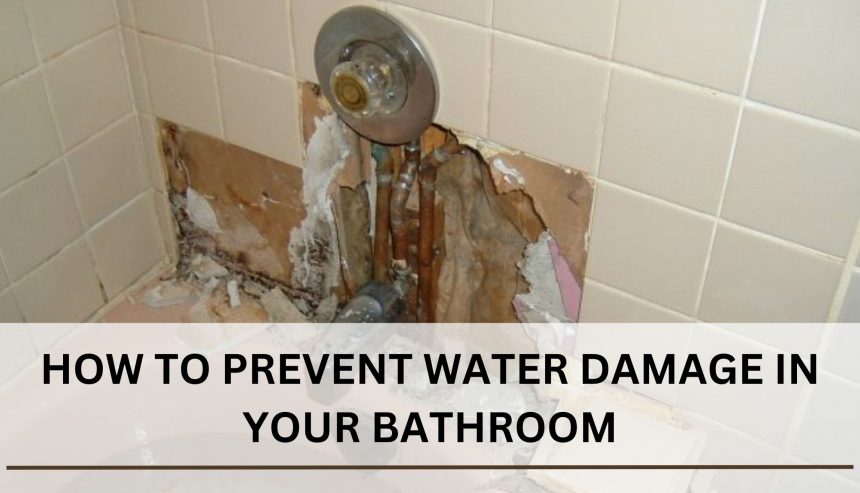
This post would show you how to Prevent Water Damage in Your Bathroom instead of waiting till it happens to fix it.
As a restoration expert, I’ve seen the aftermath of water damage in countless homes, and one of the most vulnerable areas is undoubtedly the bathroom. From leaking pipes to overflowing toilets, the potential for water-related disasters in this space is significant. However, fear not, homeowners, for there are proactive measures you can take to prevent such calamities from befalling your sanctuary of cleanliness and relaxation.
We have written a post on how to prevent water damage in a home before but In this guide, we’ll explore practical tips and strategies to safeguard your bathroom against the ravages of water damage, ensuring peace of mind and preserving the integrity of your home. So grab your toolkit and let’s embark on a journey to fortify your bathroom fortress!
Major Causes of Bathroom Water Damage:
Identifying these cunning culprits is the first step in fortifying your defenses against the insidious threat of water damage. One of the most common foes is none other than faulty plumbing, with leaky pipes and dripping faucets conspiring to undermine the tranquility of your sanctuary. Aging fixtures, worn-out seals, and deteriorating grout and caulking provide additional points of entry for water’s relentless assault. Meanwhile, the unchecked enthusiasm of overflowing toilets and clogged drains can quickly transform your bathroom haven into a watery battlefield. Understanding these perils is crucial in arming yourself against their nefarious machinations and safeguarding the integrity of your home.
Water Damage and Health Concerns:
Beyond the structural implications, the infiltration of water into your bathroom sanctuary poses a grave threat to your health and well-being. Mold and mildew, those dreaded denizens of dampness, thrive in the moist corners and crevices of water-damaged spaces, releasing airborne spores that can wreak havoc on respiratory systems and exacerbate allergies. Additionally, prolonged exposure to water damage can compromise the integrity of building materials, potentially leading to structural issues and costly repairs. Safeguarding your bathroom against water intrusion is not just a matter of protecting your home; it’s a vital step in preserving your family’s health.
Signs of Bathroom Water Damage
Dear homeowner, for these signs are the whispered warnings of water’s stealthy incursion into your sanctuary of cleanliness and relaxation. Look for stains on walls or ceilings, akin to water’s clandestine fingerprints left behind as it creeps through unseen cracks and crevices. Peeling paint or wallpaper, a telltale sign of moisture’s insidious embrace, may betray the presence of hidden water damage lurking just beneath the surface. And ah, the unmistakable scent of mustiness, a foul perfume borne of dampness and decay, should raise alarm bells and set your senses on high alert. Dripping faucets, pooling water, and warped flooring are more overt manifestations of trouble brewing, heralding the need for swift action to thwart water’s relentless advance.
To read more about signs of Bathroom Water Damage, check out previous posts.
Ways to Prevent Water Damage in Your Bathroom
1. Continuously Inspect for Signs of Leaks:
Regular scrutiny is the cornerstone of leak prevention. Make it a habit to thoroughly examine your bathroom for any telltale signs of leaks. Start by scrutinizing areas around faucets, showerheads, toilets, bathtubs, and plumbing fixtures. A keen eye beneath sinks or vanities can uncover lurking P-trap leaks. Also, be vigilant for water stains near walls and ceilings, peeling paint, or the subtle warping of baseboards, all potential indicators of clandestine water infiltration.
2. Repair or Replace Cracked, Missing, and Broken Tiles:
Tiles must be maintained diligently. Cracks or absences in these stalwart defenders create vulnerable points, allowing water to insidiously penetrate shower walls and bathroom floors. Once moisture finds refuge beneath your tiles, it festers, fostering a breeding ground for mold and exacerbating tile damage. Swift action to repair or replace compromised tiles is imperative to thwart the insidious march of moisture and stave off the specter of mold infestation.
3. Test Your Valves:
Regularly test and inspect the valves near sinks, showers, and toilets for any signs of water damage. Should you detect moisture or detect a leak, the ability to swiftly isolate the water supply to the affected fixture can avert disaster. Ensure that your shower head and fixtures are securely fastened, fortifying your defenses against potential leaks.
4. Upgrade Bathroom Fixtures:
The march of time spares not even the most stalwart fixtures. Safeguard against leaks by considering the judicious upgrade of your bathroom’s fixtures. From toilets to showers, faucets to showerheads, modern replacements offer enhanced efficiency and durability. Investing in newer models not only mitigates the risk of water damage but also promises savings on your water bill. Embrace this opportunity to reduce water consumption while rejuvenating your bathroom’s aesthetic appeal.
5. Address a Slow Draining Sink:
A sluggish drain is a harbinger of impending turmoil. Don’t ignore this subtle warning, as neglect can precipitate water damage. Take proactive measures to alleviate the obstruction, utilizing drain-safe cleaners like vinegar and baking soda or seeking the expertise of a professional plumber.
6. Turn on Your Exhaust Fan:
Adequate ventilation is paramount in combating moisture accumulation. Activate your exhaust fan and allow it to dispel excess humidity, particularly in the absence of bathroom windows. By facilitating airflow, you mitigate the risk of moisture-related complications, preserving the sanctity of your bathroom environment.
7. Use Bathmats:
Combat the aftermath of aquatic endeavors with strategic placement of bath mats. These humble sentinels intercept excess water, minimizing the potential for floor-based water damage. Regular laundering and thorough drying of bath mats are essential to thwart the encroachment of mold, ensuring a hygienic and harmonious bathroom ambiance.
Need a Water Damage Service in New Jersey?
Contact PuroClean Emergency Recovery Services in New Jersey at (877) 750-7876, For immediate assistance and expert restoration service.

How to prevent water damage in bathroom shower
Here’s a comprehensive guide to safeguarding your shower area:
- Regular Inspection:
Begin by routinely inspecting your shower area for any signs of wear, damage, or deterioration. Check the grout lines, caulking, and seals around the shower enclosure for cracks, gaps, or signs of degradation. Pay close attention to corners, seams, and areas where the shower meets the walls or floor. - Repair or Replace Grout and Caulking:
Cracked or deteriorating grout and caulking can provide pathways for water to seep into the underlying structure, leading to moisture damage and mold growth. Promptly repair or replace any damaged grout or caulking to maintain a watertight seal around the shower enclosure. - Ensure Proper Ventilation:
Adequate ventilation is essential for reducing moisture buildup in the bathroom. Use an exhaust fan during and after showering to remove excess humidity from the air. If your bathroom doesn’t have an exhaust fan, consider installing one to improve ventilation and prevent moisture-related issues. - Use Waterproofing Membranes:
When installing or renovating your shower, incorporate waterproofing membranes beneath the tile and grout to create an additional barrier against water infiltration. These membranes help prevent moisture from reaching the underlying structure and provide added protection against leaks. - Address Leaks Promptly:
Act swiftly to address any leaks or water damage discovered in or around the shower area. Even minor leaks can escalate quickly and cause extensive damage if left unchecked. Investigate the source of the leak, repair any damaged plumbing or fixtures, and ensure that the area is thoroughly dried to prevent mold growth. - Install a Shower Splash Guard:
Consider installing a shower splash guard or door sweep to contain water within the shower enclosure and prevent it from splashing onto the surrounding floor. This can help minimize the risk of water damage to adjacent walls, floors, and fixtures. - Use a Shower Curtain Liner:
If you use a shower curtain, make sure to use a waterproof liner to prevent water from seeping through the fabric and onto the floor. Replace the liner regularly to maintain its effectiveness and prevent mold and mildew buildup. - Clean and Maintain Shower Drains:
Keep shower drains clear of debris and buildup to prevent clogs that can lead to water backup and overflow. Regularly remove hair, soap scum, and other obstructions from the drain using a drain snake or cleaning solution.
In conclusion, safeguarding your bathroom shower against water damage is essential for maintaining the integrity and longevity of your home. By implementing proactive measures such as regular inspection, repair of grout and caulking, ensuring proper ventilation, and addressing leaks promptly, you can mitigate the risk of moisture infiltration and subsequent damage.
Additionally, incorporating waterproofing membranes, using shower splash guards or door sweeps, and maintaining clean shower drains are effective strategies for preventing water from escaping the shower enclosure and causing harm to surrounding areas. Remember, a small investment of time and effort in preventive maintenance can save you from the inconvenience and expense of dealing with water damage in the long run. So, prioritize the health and longevity of your bathroom shower by taking proactive steps to protect it from water damage.

 PuroClean Emergency Recovery Services