 PuroClean Emergency Recovery Services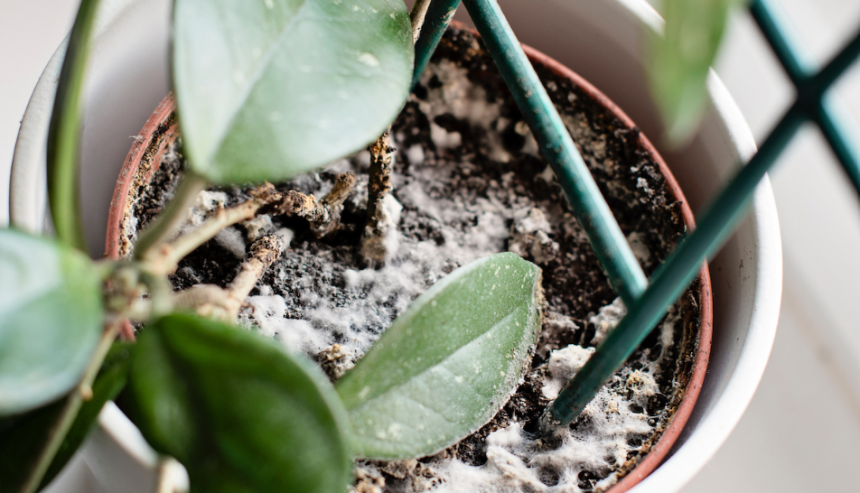
How to Get Rid of Mold in Household Plants
Are you tired of dealing with pesky mold infestations in your beloved household plants? Look no further! In this blog post, we’ll explore the ins and outs of treating and preventing mold growth in your indoor greenery.
From understanding the root causes of mold to implementing effective prevention strategies, we’ve got you covered. Whether you’re a seasoned plant parent or just starting your green journey, join us as we delve into the world of mold management for healthier, happier plants!
How Does Mold Grow?
Understanding how mold grows is essential for effectively treating and preventing its presence in household plants. Mold, a type of fungus, thrives in moist and warm environments, making indoor plants susceptible to infestation if not properly cared for.
The growth of mold begins with microscopic spores that are present in the air and on various surfaces. When these spores land on suitable surfaces, such as the soil, leaves, or stems of plants, and find favorable conditions, they begin to germinate and grow.
Moisture is a primary factor in mold growth. Excess watering, high humidity levels, or poor drainage in plant pots can create an environment conducive to mold development. Additionally, organic matter, such as decaying plant material or soil, provides nutrients for mold to feed on, further promoting its growth.
Darkness and stagnant air can also contribute to mold proliferation, as they create an environment where spores can thrive undisturbed.
Once mold takes hold, it can quickly spread, forming visible colonies on plant surfaces and emitting a musty odor. If left unchecked, mold can weaken and eventually kill plants, making it crucial to address mold issues promptly.
By understanding the conditions that promote mold growth, plant enthusiasts can take proactive measures to prevent infestations and maintain the health and vitality of their indoor greenery.
Why Does Mold Grow on Houseplant Soil?
Mold growth on houseplant soil is a common occurrence, primarily due to several factors that create an ideal environment for mold to thrive:
Moisture: Overwatering is one of the leading causes of mold growth in houseplant soil. When soil is consistently damp or waterlogged, it creates the perfect conditions for mold spores to germinate and proliferate. Poor drainage in pots or saucers can exacerbate this issue, trapping excess water around the roots and promoting mold growth.
Organic Matter: Houseplant soil contains organic materials such as peat moss, compost, and decomposing plant matter. These organic compounds serve as a food source for mold spores, providing them with the nutrients they need to grow and multiply.
Warmth: Most indoor environments provide stable temperatures conducive to mold growth. Combined with moisture, the warmth found in homes creates an optimal breeding ground for mold on houseplant soil.
Low Air Circulation: Stagnant air around potted plants can contribute to mold growth. Without proper air circulation, moisture accumulates in the soil and around the plant, encouraging mold spores to colonize and spread.
Darkness: Houseplant soil is often shielded from direct sunlight, creating a dark and sheltered environment ideal for mold growth. Lack of light inhibits the growth of beneficial organisms that compete with mold, allowing mold to thrive unchecked.
Infected Plant Material: Sometimes, mold spores are introduced to houseplant soil through contaminated plant material, such as infected potting mix or plants brought in from outdoor environments where mold is present.
What Are the Different Types of Plant Mold?
Several types of mold commonly affect household plants, each with its own characteristics and potential impact on plant health. Some of the most common types include:
Powdery Mildew:
Powdery mildew is a widespread fungal disease characterized by white or gray powdery patches on plant leaves, stems, and flowers. It thrives in warm, humid conditions and can weaken plants by inhibiting photosynthesis and nutrient absorption.
Botrytis Blight (Gray Mold):
Botrytis cinerea, commonly known as gray mold, is a fungal disease that causes grayish-brown fuzzy growth on plant tissues. It often affects flowers, causing them to rot, and can spread rapidly in moist environments, particularly in overcrowded or poorly ventilated areas.
Downy Mildew:
Downy mildew is another fungal disease that manifests as yellow or pale green spots on the upper surface of plant leaves, with fuzzy gray or purple growth on the undersides. It thrives in cool, humid conditions and can quickly spread, leading to leaf yellowing, wilting, and stunted growth.
Pythium Root Rot:
Pythium spp. are water molds that cause root rot in plants, particularly in overwatered or poorly drained soil. Infected roots become brown and mushy, leading to poor nutrient uptake and wilting of foliage. Pythium root rot is often accompanied by a foul odor.
Fusarium Wilt:
Fusarium spp. are soil-borne fungi that cause wilt diseases in a wide range of plants. Symptoms include yellowing and wilting of leaves, often starting on one side of the plant and progressing rapidly. Fusarium wilt can lead to plant death if left untreated.
Rhizoctonia Root Rot:
Rhizoctonia solani is a fungus that causes root rot and damping-off in seedlings. Infected roots develop dark lesions and may become girdled, leading to plant wilting and death. Rhizoctonia root rot thrives in warm, moist soil conditions.
How to get rid of Mold in Household Plants
Getting rid of mold in household plants requires a combination of proactive measures to eliminate existing mold and preventive strategies to discourage its return. Here’s a step-by-step guide:
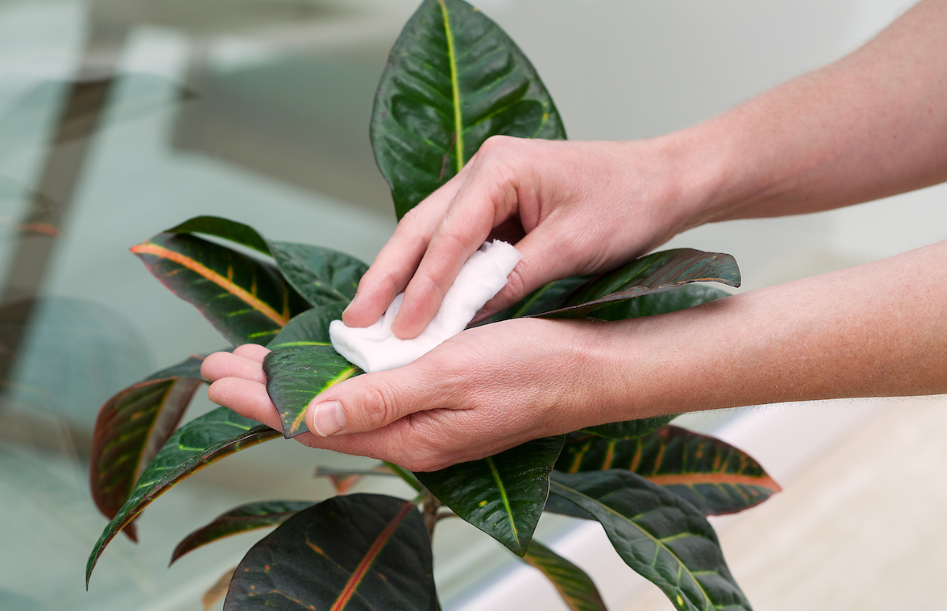
Isolate Infected Plants:
If you notice mold on the soil or foliage of a plant, isolate it from other plants to prevent the spread of spores.
Remove Moldy Material:
Carefully remove moldy leaves, flowers, or any other affected plant parts using clean scissors or pruning shears. Dispose of the removed material in sealed bags to prevent spreading spores.
Adjust Watering Practices:
Overwatering is a common cause of mold growth. Allow the soil to dry out between waterings to discourage mold. Ensure proper drainage in pots and saucers to prevent water from pooling around the roots.
Improve Air Circulation:
Increase airflow around plants by placing them near a fan or opening windows. Good air circulation helps dry out excess moisture, making the environment less hospitable for mold.
Prune for Light:
Trim back surrounding foliage to allow more light to reach the plant and soil surface. Mold thrives in dark, damp conditions, so increasing light exposure can help inhibit its growth.
Modify Humidity Levels:
Reduce humidity levels around plants by using a dehumidifier or placing a tray of pebbles filled with water beneath the pots. This creates a humid microclimate directly around the plant while reducing overall humidity in the room.
Apply Fungicides:
If mold persists despite other measures, consider using a fungicidal treatment specifically labeled for indoor plants. Follow the manufacturer’s instructions carefully when applying fungicides.
Repot with Fresh Soil:
If mold continues to be a problem, repot the plant using fresh, sterile potting soil. Thoroughly clean the pot and remove any old soil clinging to the roots before repotting.
Monitor and Maintain:
Regularly inspect plants for signs of mold and take preventive action as needed. Maintain good plant hygiene by removing dead or decaying plant material and keeping pots and surrounding areas clean.
Hire a mold removal company in New Jersey – (877) 750-7876
If you suspect mold growth in your New Jersey home or want to ensure a mold-free environment, contact PuroClean Emergency Recovery Services in New Jersey at (877) 750-7876. Our expert team is committed to providing superior mold remediation services, safeguarding the well-being of your home and family.
How to Prevent Mold Growth on Plants
Preventing mold growth on plants requires a proactive approach to create conditions that are unfavorable for mold development. Here are some effective strategies:
Water Wisely: Overwatering is a common cause of mold growth. Water plants only when the top inch of soil feels dry to the touch, and ensure that pots have adequate drainage holes to allow excess water to escape.
Improve Drainage: Use well-draining potting soil and pots with drainage holes to prevent water from accumulating around the roots. Consider adding a layer of gravel or perlite to the bottom of pots to enhance drainage.
Avoid Overcrowding: Give plants plenty of space to allow for air circulation between them. Overcrowded plants are more prone to mold growth due to reduced airflow.
Prune Regularly: Remove dead or diseased plant material promptly to prevent mold from spreading. Pruning also helps improve airflow and light penetration, creating a less favorable environment for mold.
Provide Adequate Light: Place plants in locations where they can receive the appropriate amount of light for their specific needs. Adequate light helps inhibit mold growth and promotes healthy plant growth.
Enhance Air Circulation: Increase airflow around plants by using fans or opening windows. Good air circulation helps reduce humidity levels and discourages mold growth.
Maintain Optimal Humidity: Monitor humidity levels in the growing area and take steps to keep them within an optimal range. Use a hygrometer to measure humidity and consider using a dehumidifier if levels are consistently high.
Use Sterile Tools and Potting Mix: When repotting or pruning plants, use clean, sterile tools to minimize the risk of introducing mold spores. Use fresh potting mix from sealed bags to avoid contamination with mold or other pathogens.
Keep Growing Areas Clean: Regularly remove debris, fallen leaves, and other organic matter from the growing area. Clean pots, saucers, and surrounding surfaces to prevent mold spores from accumulating.
Quarantine New Plants: Before introducing new plants to your indoor collection, inspect them carefully for signs of mold or other pests. Quarantine new plants for a few weeks to monitor them for any issues before placing them near existing plants.
In conclusion, keeping mold at bay in your household plants is essential for maintaining their health and vitality. By understanding the factors that contribute to mold growth and implementing proactive prevention strategies, you can create an environment that fosters plant growth while minimizing the risk of mold infestations.
By practicing good plant hygiene and staying vigilant, you can enjoy a thriving indoor garden free from the pesky presence of mold.
With proper care and attention, your household plants will flourish, bringing beauty and joy to your living space for years to come. Happy gardening!

 PuroClean Emergency Recovery Services