


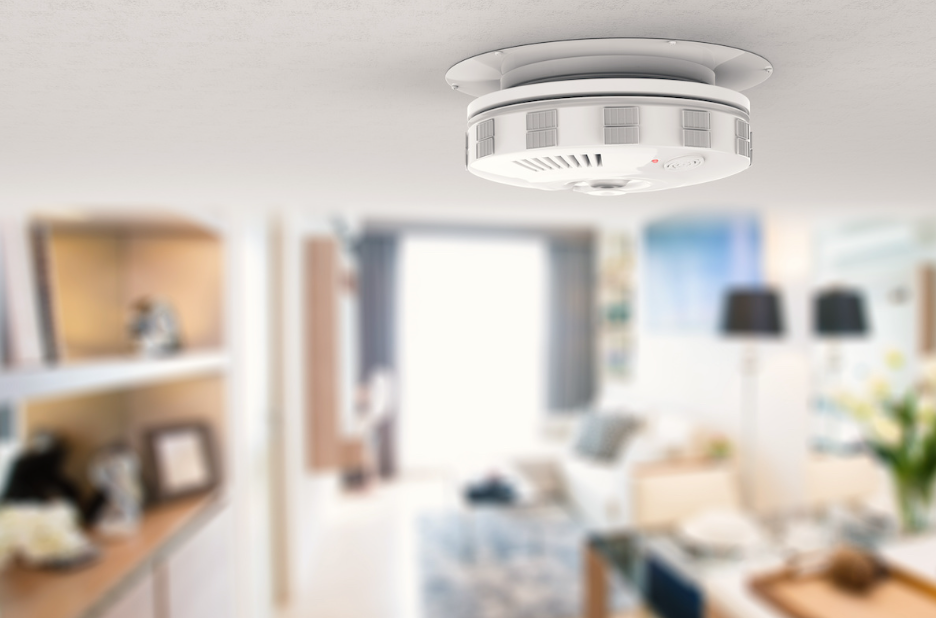
Installing a smoke alarm in your home or business is crucial for the safety of your family and the protection of your property. Therefore, it’s essential to invest in high-quality equipment to ensure your safety. Understanding the two main types of smoke detectors and their functions during a house fire is imperative.
There are two primary types of smoke alarms: ionization smoke detectors and photoelectric smoke detectors. Each type offers different advantages depending on the source of the smoke, providing varying levels of warning. Are you aware of which type of smoke alarms your home currently utilizes? Delve into the distinctions between ionization and photoelectric smoke alarms to grasp their importance and why having both types installed is highly recommended.
What are smoke alarms ?
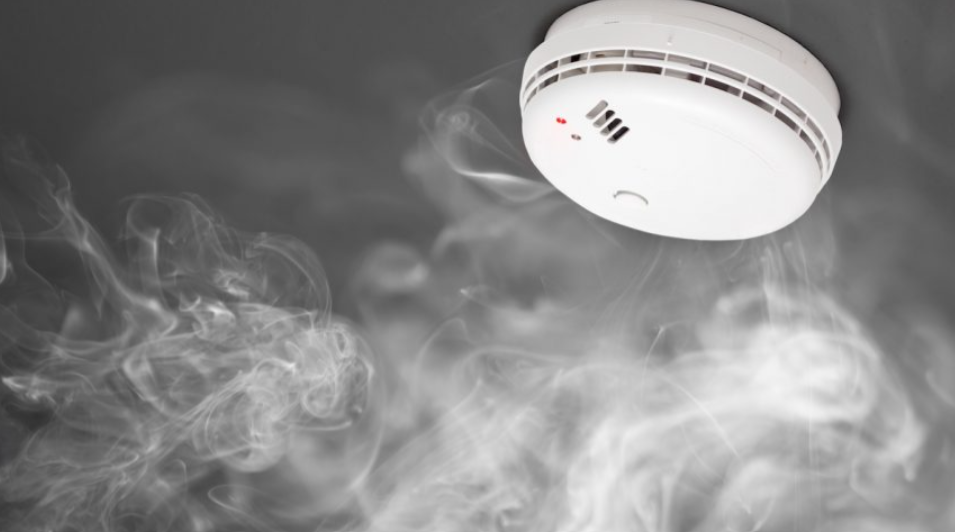
Smoke alarms are devices designed to detect smoke particles in the air, typically signaling the presence of a fire. They are essential safety equipment installed in homes, businesses, and other buildings to alert occupants to the danger of a fire and provide an early warning to evacuate or take necessary precautions.
Why are Home Smoke Alarms Necessary?
Home smoke alarms are necessary for several reasons:
- Early Detection of Fires: Smoke alarms can detect smoke at the earliest stages of a fire, allowing occupants to respond promptly and prevent the spread of flames.
- Protection of Lives: Smoke alarms provide a critical warning to occupants, giving them time to escape safely before the fire spreads and becomes more dangerous.
- Protection of Property: Early detection of fires by smoke alarms can help minimize property damage by allowing firefighters to respond quickly and contain the fire.
- Legal Requirement: Many jurisdictions require the installation of smoke alarms in residential and commercial buildings to comply with fire safety regulations.
Types of Smoke Detectors
There are two main types of smoke detectors commonly used in homes and businesses:
Ionization Smoke Detectors: These detectors contain a small amount of radioactive material that ionizes the air between two electrically charged plates. When smoke enters the chamber, it disrupts the ionization process, triggering the alarm. Ionization detectors are more sensitive to fast-burning, flaming fires.
Photoelectric Smoke Detectors: Photoelectric detectors use a light source and a light sensor to detect smoke particles. When smoke enters the chamber, it scatters the light, causing it to be detected by the sensor and triggering the alarm. Photoelectric detectors are more effective at detecting slow, smoldering fires.
Benefits of Photoelectric Smoke Alarms
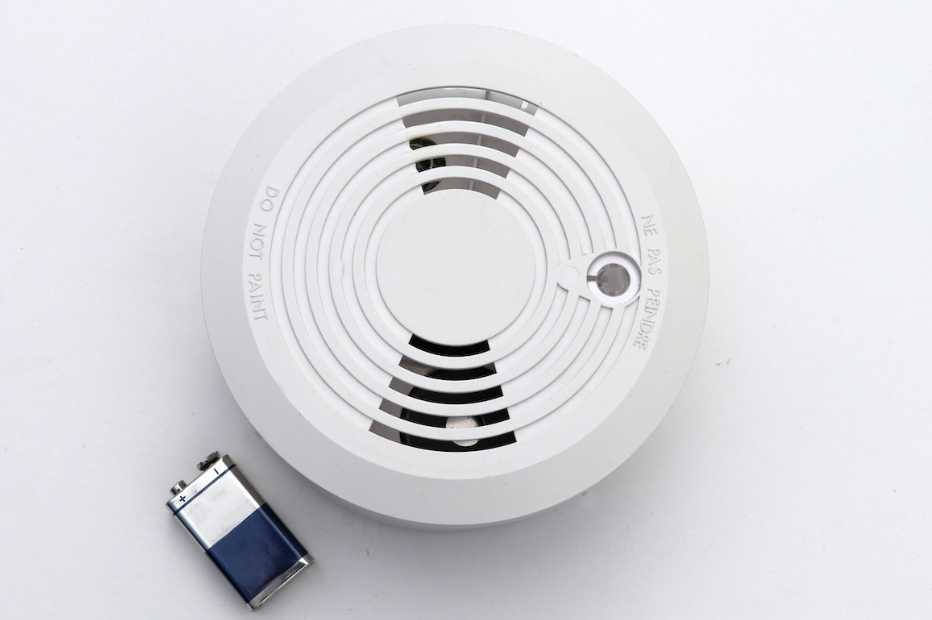
- Early Detection of Smoldering Fires: Photoelectric smoke alarms are highly effective at detecting slow, smoldering fires that produce a lot of smoke but may not generate significant flames. This early detection can provide valuable time for occupants to evacuate safely.
- Reduced False Alarms: Photoelectric smoke alarms are less prone to false alarms caused by cooking smoke or steam from showers, compared to ionization smoke alarms. This helps prevent unnecessary disruption and ensures that the alarm is triggered only when there is a genuine threat of fire.
- Broader Detection Range: Photoelectric smoke alarms are generally better at detecting larger smoke particles, making them suitable for detecting fires over a wider area, such as in larger rooms or hallways.
- Longer Lifespan: Photoelectric smoke alarms often have a longer lifespan compared to ionization detectors, requiring less frequent replacement and maintenance.
Drawbacks of Photoelectric Smoke Alarms
- Less Sensitive to Fast-Burning Fires: While photoelectric smoke alarms excel at detecting smoldering fires, they may be less sensitive to fast-burning, flaming fires. This could result in a slightly longer response time in certain fire scenarios.
- Higher Initial Cost: Photoelectric smoke alarms may have a higher initial cost compared to ionization detectors. However, the cost difference is typically offset by their longer lifespan and reduced false alarms.
- Not Ideal for Every Location: While photoelectric smoke alarms are effective in many situations, they may not be suitable for every location. For example, in areas where fast-burning fires are more common, such as kitchens, a combination of both photoelectric and ionization smoke alarms may be necessary for comprehensive fire detection coverage.
Benefits of Ionization Smoke Alarms
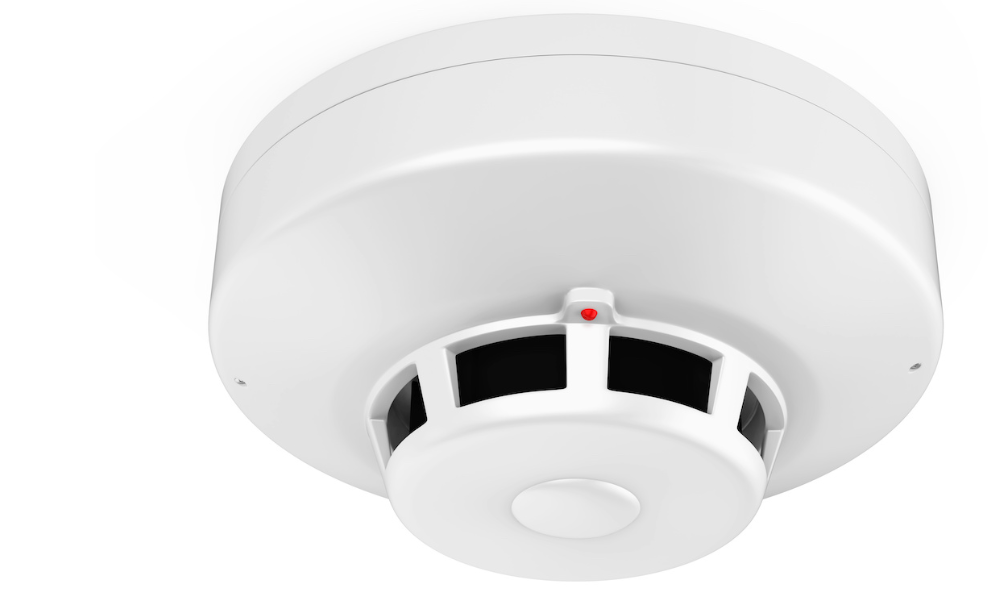
- Sensitive to Fast-Burning Fires: Ionization smoke alarms are highly sensitive to fast-burning, flaming fires, making them effective at providing early detection in such scenarios. They can quickly alert occupants to the presence of a fire, allowing for prompt evacuation.
- Lower Cost: Ionization smoke alarms typically have a lower initial cost compared to photoelectric detectors, making them a more budget-friendly option for homeowners and businesses.
- Compact Size: Ionization smoke alarms are often more compact and lightweight than photoelectric detectors, making them easier to install in various locations throughout a building.
- Widely Available: Ionization smoke alarms are widely available and commonly used in residential and commercial buildings, making them easily accessible for purchase and replacement.
Drawbacks of Ionization Smoke Alarms
- Prone to False Alarms: Ionization smoke alarms are more prone to false alarms caused by cooking smoke or steam from showers, which can lead to nuisance alarms and desensitization of occupants to alarm signals.
- Less Effective for Smoldering Fires: Ionization smoke alarms are less effective at detecting slow, smoldering fires that produce a lot of smoke but minimal flames. This can result in a delayed response to certain types of fires, potentially reducing the amount of time available for evacuation.
- Radioactive Material: Ionization smoke alarms contain a small amount of radioactive material, typically americium-241, which raises concerns about environmental impact and proper disposal at the end of the alarm’s lifespan.
- Limited Lifespan: Ionization smoke alarms may have a shorter lifespan compared to photoelectric detectors, requiring more frequent replacement and maintenance over time.
Ionization vs Photoelectric Smoke Detectors
Ionization Smoke Detectors:
- Detection Method: Ionization smoke detectors contain a small amount of radioactive material that ionizes the air between two electrically charged plates. When smoke enters the chamber, it disrupts the ionization process, triggering the alarm.
- Sensitivity: Ionization detectors are highly sensitive to fast-burning, flaming fires, making them effective at providing early detection in such scenarios.
- Response Time: They typically respond more quickly to rapidly spreading fires, alerting occupants promptly.
- False Alarms: Ionization smoke alarms are more prone to false alarms caused by cooking smoke or steam from showers, which can be a nuisance for occupants.
- Size and Cost: They are often more compact and have a lower initial cost compared to photoelectric detectors.
- Suitability: Ionization smoke detectors are commonly used in residential and commercial settings, especially in areas where fast-burning fires are more likely, such as kitchens.
Photoelectric Smoke Detectors:
Detection Method: Photoelectric smoke detectors use a light source and a light sensor to detect smoke particles. When smoke enters the chamber, it scatters the light, causing it to be detected by the sensor and triggering the alarm.
Sensitivity: Photoelectric detectors are highly effective at detecting slow, smoldering fires that produce a lot of smoke but minimal flames.
False Alarms: They are less prone to false alarms caused by cooking smoke or steam, reducing unnecessary disruption for occupants.
Response Time: They may have a slightly longer response time compared to ionization detectors in certain fire scenarios.
Cost: Photoelectric smoke alarms may have a higher initial cost but often have a longer lifespan, reducing long-term maintenance costs.
Suitability: Photoelectric smoke alarms are suitable for areas where smoldering fires are more common, such as bedrooms and living rooms, providing early detection without frequent false alarms.
In summary, both ionization and photoelectric smoke detectors have their advantages and disadvantages. Combining both types of detectors can provide comprehensive fire detection coverage, ensuring early warning and minimizing false alarms.
Using Both Photoelectric Smoke Detectors and Ionization Smoke Detectors
Using both photoelectric and ionization smoke detectors in tandem can provide a more comprehensive approach to fire detection and enhance overall safety in residential and commercial buildings. Here’s why:
Early Detection of Various Fire Types: Photoelectric smoke detectors excel at detecting slow, smoldering fires, while ionization detectors are more sensitive to fast-burning, flaming fires. By having both types installed, you increase the likelihood of detecting different types of fires at their early stages, providing occupants with more time to evacuate safely.
Reduced False Alarms: Ionization smoke detectors are prone to false alarms caused by cooking smoke or steam, whereas photoelectric detectors are less affected by such factors. Integrating both types helps mitigate false alarms by balancing their respective strengths and weaknesses.
Comprehensive Coverage: Different areas of a building may have varying fire risk profiles. For example, kitchens and garages are more susceptible to fast-burning fires, while bedrooms and living rooms are at higher risk of smoldering fires. By strategically placing both types of detectors throughout the building, you ensure comprehensive coverage tailored to the specific fire risks in each area.
Regulatory Compliance: Some jurisdictions or building codes may recommend or require the installation of both photoelectric and ionization smoke detectors to meet specific safety standards. Adhering to these regulations helps ensure legal compliance and provides occupants with the highest level of protection.
Redundancy and Reliability: Having redundant fire detection systems enhances reliability. If one type of detector fails or is compromised, the other type can still provide early warning of a fire, reducing the risk of injury or property damage.
Peace of Mind: Knowing that your building is equipped with both photoelectric and ionization smoke detectors can give occupants peace of mind, knowing that they have comprehensive fire detection coverage that is tailored to different fire scenarios.
In conclusion, the decision to utilize both photoelectric and ionization smoke detectors in your home or business is a proactive step towards enhancing fire safety and protecting lives and property. By leveraging the unique strengths of each type of detector, you create a comprehensive defense against different types of fires, ensuring early detection and timely evacuation in the event of an emergency.
The combination of photoelectric detectors, adept at sensing smoldering fires, and ionization detectors, proficient in detecting fast-burning flames, offers a balanced approach that minimizes false alarms while maximizing detection accuracy. This strategic integration not only aligns with regulatory requirements but also provides occupants with peace of mind, knowing they are safeguarded by a reliable and redundant fire detection system.
Ultimately, investing in both photoelectric and ionization smoke detectors signifies a commitment to proactive fire safety measures, underscoring the importance of prioritizing prevention and preparedness in protecting lives and property. By embracing this holistic approach to fire detection, you fortify your defenses against the unpredictable nature of fires, ensuring a safer environment for all.