


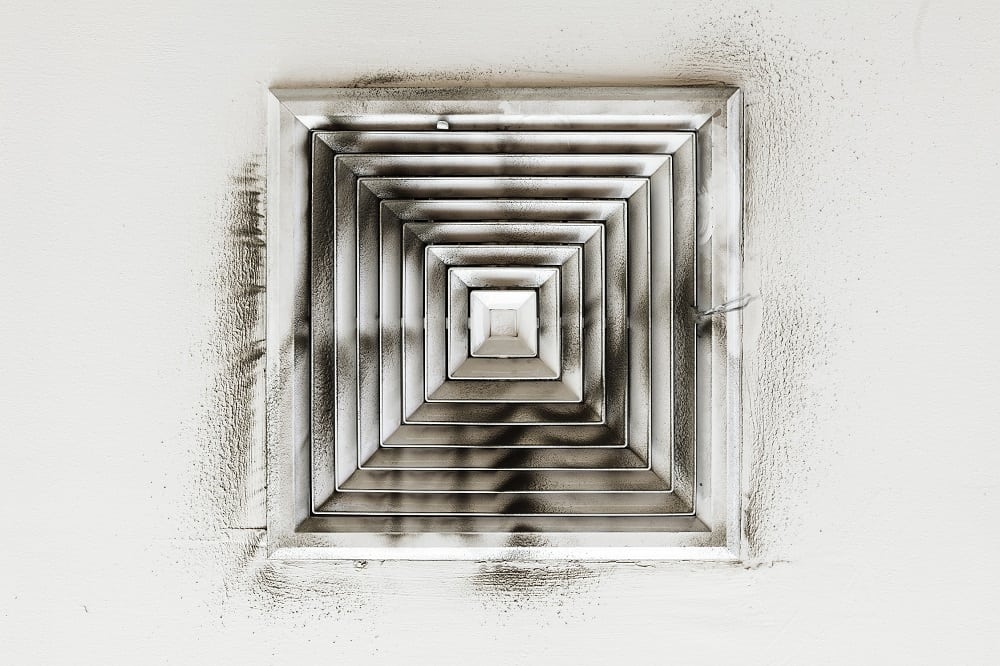
Experiencing a fire in your home or business is a traumatic event that can leave behind a trail of destruction and damage. Apart from the visible destruction caused by flames, the aftermath of a fire can also result in extensive soot damage. Soot is a black, powdery or flaky substance that is left behind after a fire, and it can cover surfaces throughout your property. Properly cleaning and removing soot residue is crucial to restoring your property and ensuring the safety and health of its occupants.
In this comprehensive blog post, we will delve into the world of soot damage, understand its impact, and explore the best methods for cleaning and removing soot after a fire. Additionally, we will highlight the invaluable assistance provided by PuroClean Emergency Recovery Service New Jersey when faced with soot damage.
Understanding Soot and Its Impact
What is Soot?
Soot is a black, carbon-rich substance that results from the incomplete combustion of organic matter during a fire. It can be fine and powdery or sticky and flaky, depending on the materials burned and the fire’s intensity. Soot particles are incredibly small and can easily penetrate porous surfaces, making them challenging to remove without proper cleaning techniques.
The Impact of Soot Damage
Soot damage goes beyond merely staining surfaces; it can have severe implications for your property and health. Soot can corrode metals, tarnish finishes, and discolor walls and ceilings. Inhaling soot particles can also be harmful, leading to respiratory issues, allergies, and other health problems. Proper cleaning and removal of soot are essential to prevent long-term damage and ensure a safe living environment.
Safety First: Protection During Soot Cleanup
Before initiating any cleaning efforts, ensure your safety and the safety of others by taking the following precautions:
Wear Protective Gear: Soot particles can be harmful when inhaled or come into contact with your skin. Wear protective gear, such as disposable gloves, masks, and goggles, during cleanup.
Ventilation: Ensure proper ventilation by opening windows and doors to allow fresh air to circulate while cleaning.
Avoid Agitation: Avoid agitating soot-covered surfaces during the cleanup process, as this can release more soot particles into the air.
Cleaning Soot from Different Surfaces
Soot can settle on various surfaces throughout your property, requiring specific cleaning methods for each material:
Walls and Ceilings:
Dry Cleaning: Use dry chemical sponges or a dry cloth to gently remove loose soot from walls and ceilings. Avoid using water or liquid cleaners, as this can cause the soot to smudge.
Upholstery and Fabrics:
Vacuuming: Use a vacuum cleaner with a brush attachment to remove loose soot from upholstery and fabrics.
Dry Cleaning: Consider dry-cleaning or professional upholstery cleaning for heavily soot-damaged items.
Hard Surfaces (Wood, Tile, etc.):
Damp Cleaning: Mix a mild detergent with water and use a soft cloth or sponge to gently clean hard surfaces. Rinse with clean water and dry thoroughly.
Carpets and Rugs:
Vacuuming: Use a vacuum cleaner with a brush attachment to remove loose soot from carpets and rugs.
Professional Cleaning: Consider professional carpet cleaning services for deep cleaning and removing stubborn soot stains.
Addressing Soot in HVAC Systems
Soot particles can infiltrate your HVAC (Heating, Ventilation, and Air Conditioning) systems, spreading soot throughout your property. Addressing soot in HVAC systems is crucial to prevent recontamination of cleaned areas. Here’s what you can do:
Shut Down HVAC Systems: Turn off your HVAC system to prevent the spread of soot-laden air.
Filter Replacement: Replace air filters in your HVAC system to prevent soot particles from circulating further.
Professional Inspection: Consider hiring a professional HVAC technician to inspect and clean your HVAC system thoroughly.
Seeking Professional Assistance
While cleaning soot from visible surfaces can be a DIY task, some situations call for professional expertise. PuroClean Emergency Recovery Service New Jersey offers professional soot damage cleanup and restoration services. Their certified technicians have the training, experience, and specialized equipment to thoroughly clean soot and restore your property to its pre-fire condition. By entrusting us with soot damage restoration, you can have peace of mind knowing that the job will be done efficiently and safely.
Soot damage can be an overwhelming challenge to deal with after a fire, but understanding the proper cleaning and removal techniques is essential for restoring your property’s safety and health. From walls and ceilings to upholstery and HVAC systems, addressing soot requires careful attention and protective measures. While minor soot cleanup can be tackled by homeowners, extensive soot damage calls for professional assistance.
PuroClean Emergency Recovery Service New Jersey stands ready to assist you in the aftermath of a fire. Their expertise in soot damage cleanup and restoration ensures that your property is thoroughly cleaned and safe for occupancy. Don’t let soot damage linger; choose PuroClean to restore your property to its pre-fire condition and create a safe, healthy living environment for you and your loved ones.