


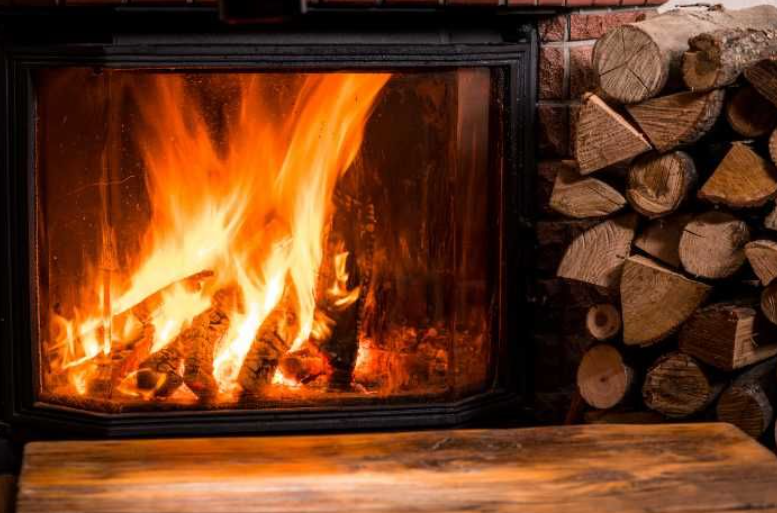
There’s something inherently cozy and nostalgic about a crackling fire on a chilly evening, but what happens when that warm ambiance is overshadowed by billowing smoke invading your living space? If you’ve ever found yourself waving a magazine frantically to clear the haze or desperately opening windows to let the smoke escape, you’re not alone. The frustration of a smoky fireplace can quickly extinguish the romantic image of fireside relaxation.
In this blog post, we’ll delve into the perplexing question: Why does my fireplace smoke up my house? We’ll explore the common culprits behind this irritating issue, ranging from simple maintenance oversights to more complex structural issues. Understanding the reasons behind your smoky fireplace is the first step towards reclaiming those cozy evenings by the hearth.
Reasons Your Fireplace Fills The House With Smoke & How To Fix It
The age-old adage claims that where there’s smoke, there’s fire. Yet, when smoke begins to pour out of your fireplace and infiltrate your home, it’s not just an inconvenient coincidence—it’s a serious issue.
Typically, a properly functioning fireplace and chimney create a pathway for fire by-products, like smoke, vapor, and unburned wood, to ascend through the flue—a vertical passage through which these elements exit. Simultaneously, outside air is drawn into the system, facilitating the combustion process and ensuring that smoke is expelled outside.
However, when fireplace smoke infiltrates your living space, it’s a sign that something isn’t right. Various factors can contribute to this problem, ranging from maintenance oversights to structural issues.
Major Reasons your Fireplace Smoke up the house

Issue #1: Closed Damper
One of the most common culprits behind a smoky fireplace is a closed damper. Before you even think about igniting that cozy fire, it’s essential to ensure that your damper is fully open. A partially opened damper can severely restrict airflow, leaving smoke with no escape route other than back into your living space. Despite its simplicity, overlooking this step is all too easy, leading many to unwittingly fill their rooms with smoke.
Remember, it’s perfectly acceptable to keep the damper closed when your fireplace is dormant. However, the moment you decide to spark a flame, it’s time to swing that damper open and let the smoke find its way out!
Solution – During periods of fireplace inactivity, especially in the winter months, it’s prudent to keep the damper closed. Allowing it to remain open invites chilly drafts indoors, undermining your efforts to maintain a comfortable temperature. Therefore, it’s crucial to discern the appropriate times for opening and closing the damper to strike the right balance between ventilation and insulation.
Establishing a routine of diligently managing the damper can help prevent smoky mishaps. However, it’s important to note that this advice primarily pertains to wood-burning fireplaces. If you’re utilizing gas logs, keep in mind that the damper should typically remain open, unless explicitly designated as “unvented” in the product specifications.
Issue #2: Battling the Cold Downdraft with an Updraft
Chimneys often find themselves nestled against an exterior wall of a home, exposing them to chilly temperatures. Unfortunately, cold air, being denser and heavier than the smoke from a freshly kindled fire, tends to push downward, causing smoke to infiltrate the room. A quick tip: refrain from turning on ceiling fans or any other house fans when your fireplace is smoking; it only exacerbates the issue!
Solution – Thankfully, there’s a remedy: creating an “updraft” before lighting your fire. This involves igniting something—newspapers are a classic choice—and holding it up in the chimney using appropriate chimney tools. By doing so, you initiate an airflow upward through the chimney, encouraging smoke to ascend rather than spread into your living space.
When attempting this method, ensure you use the correct fireplace tools or don a fireproof mitt or glove for safety. Bundle the newspaper at the end of a tool, ignite it, and carefully hold it up the chimney. If you’re unsure about executing this procedure safely, it’s wise to seek professional guidance.
Issue #3: Damper Is Open Yet Ineffective
Ordinarily, keeping your damper open should resolve issues with smoke filling your home. However, if smoke persists despite an open damper, there could be other chimney-related problems at play. One common culprit is a chimney obstruction, such as outside debris or a bird’s or squirrel’s nest atop the chimney, disrupting airflow.
Solution – If obstruction seems to be the issue, it’s best to enlist the expertise of a professional. A certified chimney sweep or a specialist in chimney cleaning can inspect the chimney from the roof and address any blockages or restrictions.
Issue #4: Size Matters: Incorrect Damper Size
Dampers come in various shapes and sizes, and the one on your chimney might not be the right fit for your fireplace. If this discrepancy exists, it’s time to invest in a new damper. A misfit damper can trap smoke, leading to its unwanted return into your home.
Solution – Consulting a professional to inspect your flue can confirm if this issue is at play. They’ll be able to recommend and install the appropriate damper size to ensure smooth smoke flow out of the chimney.
Issue #5: Battling Competing Air Pressure
In some homes, especially newer ones, tight sealing can inadvertently create air pressure imbalances when using the fireplace. Fortunately, a simple solution can often alleviate this issue: cracking open a window near the fireplace. This small adjustment breaks the seal and acts as a source of balance for house pressure, allowing smoke to flow upward through the chimney as intended.
Solution – Conversely, older homes may suffer from air pressure problems due to excessive air escaping. Many such structures have poorly sealed attic doors, allowing air to flee through the attic space. Checking and improving the seal on attic doors, along with adding extra insulation, can help rebalance the air pressure within your home.
Issue #6: The Draft Fan Solution
For persistent and bothersome smoking problems, a draft fan mounted atop the chimney can be a game-changer. While the installation cost may be a consideration, draft fans often prove to be the sole solution for certain smoking issues, significantly improving fireplace performance. If you’re struggling to find a resolution for your fireplace woes, a draft fan might be the answer. However, it’s crucial to have it installed by a professional well-versed in the physics of draft and airflow.
Solution – Remember, a properly functioning fireplace should never inundate your home with excessive smoke. If you encounter this issue, it’s essential to investigate promptly. Don’t hesitate to enlist the expertise of a professional to inspect and rectify any fireplace-related problems. Keep the flames burning bright and smoke-free by addressing any hiccups promptly and effectively!
In conclusion, a smoky fireplace can quickly dampen the warmth and charm of your cozy abode, but armed with knowledge and proactive measures, you can reclaim those cherished fireside moments. From ensuring your damper is open to addressing issues with downdrafts, chimney obstructions, and damper size, there are solutions to suit various fireplace woes. Whether it’s adjusting house pressure, investing in a draft fan, or seeking professional assistance, there’s no shortage of remedies to restore your fireplace to its former glory. Remember, a well-maintained fireplace not only adds ambiance but also serves as a comforting focal point in your home. So, don’t let smoke clouds overshadow your enjoyment—take the necessary steps to keep your fires burning bright and smoke-free.