 PuroClean of Downtown Philadelphia
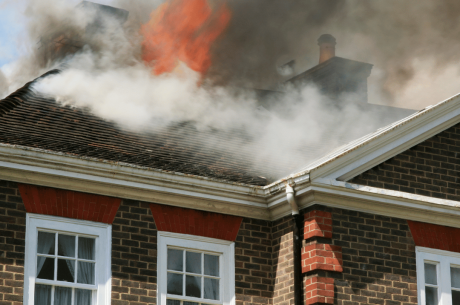
Fire damage can be devastating anywhere—but in a dense, historic, and fast-paced urban environment like Center City Philadelphia, the risks and consequences are even greater. Whether you own a rowhome, manage a commercial property, or operate a business, understanding the full scope and types of fire damage is essential for protecting your investment and recovering quickly.
In Philadelphia, buildings often combine old construction with modern upgrades, creating unique vulnerabilities when fires occur. Beyond visible destruction, smoke, soot, and heat can cause hidden damage that continues to impact your property long after the flames are extinguished.
Types of Fire Damage Found in Philadelphia Properties
Table of Contents
Not all fires behave the same way. The type of fire directly affects the kind of damage your property sustains—and how it should be cleaned and restored.
Protein Fires (Kitchen & Restaurant Fires)
Protein fires are especially common in residential kitchens and Philadelphia’s busy restaurant scene. These fires occur when food burns at high temperatures, producing a nearly invisible residue. While there may be little visible soot, the damage often includes severe odors and discoloration of painted surfaces, cabinetry, and appliances.
In downtown condos and commercial kitchens, this type of fire damage can linger unnoticed until odors become overwhelming. Without proper cleaning, the smell can embed itself into walls, ceilings, and HVAC systems.
Natural Fires (Wood, Paper, and Organic Materials)
Natural fires involve materials like wood, paper, and textiles—common in older Philadelphia homes. Neighborhoods such as Old City Philadelphia feature historic buildings with original wood framing and finishes, making them more susceptible to this type of fire.
These fires produce dry soot, which is powdery and easier to clean than other residues. However, smoke from natural fires can still penetrate porous materials like brick, plaster, and wood, leaving behind persistent odors and staining.
Synthetic Fires (Modern Materials & Furnishings)
Synthetic fires are increasingly common in modern apartments, offices, and retail stores. When materials like plastic, foam, or synthetic fabrics burn, they release thick, black smoke and sticky soot that clings to surfaces.
This type of residue is particularly damaging to electronics, office equipment, and inventory—making it a major concern for businesses in downtown Philadelphia. Additionally, synthetic fires often release toxic chemicals that can pose health risks if not properly remediated.
Fuel & Oil Fires (Garages & Commercial Spaces)
Fuel and oil fires typically occur in garages, maintenance areas, or commercial facilities. These fires leave behind a dense, greasy residue that is difficult to remove and often requires specialized equipment.
For businesses operating in or around Center City, this type of fire can disrupt operations significantly due to the intensity of cleanup required and the potential for structural contamination.
How Smoke, Soot, and Heat Affect Urban Properties
Fire damage goes far beyond flames. In tightly packed city environments, smoke, soot, and heat can spread quickly and affect multiple units or neighboring properties.
Smoke Damage in Multi-Unit Buildings
Smoke travels rapidly through ventilation systems, stairwells, and shared wall cavities. In high-rise buildings and mixed-use properties near Rittenhouse Square, a fire in one unit can impact several others.
Even areas untouched by flames can suffer from smoke contamination, leaving behind odors and microscopic particles that affect indoor air quality. For businesses, this can also mean damage to merchandise, documents, and sensitive equipment.
Soot and Corrosive Residue
Soot is one of the most destructive byproducts of fire. It is highly acidic and can begin damaging surfaces within hours. Left untreated, soot can stain walls, ceilings, flooring, and furniture, while also corroding metals and electronics.
In both homes and commercial spaces, improper cleaning can make soot damage worse. For example, wiping certain types of soot can smear it deeper into surfaces, increasing the cost and complexity of restoration.
Heat Damage and Structural Impact
High temperatures from a fire can weaken structural components, even if they appear intact. Wood can warp, metal can bend, and glass can crack or shatter. In older Philadelphia buildings, heat can become trapped within thick walls, extending the damage beyond the immediate fire zone.
Modern materials, on the other hand, may melt or deform quickly under heat exposure. This combination of old and new construction makes professional assessment critical in determining the true extent of damage.
Hidden Fire Damage Most Property Owners Overlook
One of the biggest challenges after a fire is identifying damage that isn’t immediately visible. In urban properties, hidden damage can lead to long-term issues if not addressed properly.
Structural Weakening
Even if walls and ceilings look intact, the underlying structure may be compromised. Support beams, joists, and subfloors can weaken due to prolonged heat exposure, increasing the risk of future collapse or costly repairs.
Electrical System Damage
Fire can damage wiring behind walls, melting insulation and exposing conductive materials. This creates a serious safety hazard and increases the likelihood of future electrical fires—especially in older buildings throughout Philadelphia.
HVAC and Air Quality Issues
Smoke and soot particles often enter HVAC systems, spreading contaminants throughout the property. Without proper cleaning, these particles can continue circulating, affecting air quality and causing persistent odors.
Water Damage and Mold Growth
Firefighting efforts typically involve large amounts of water. In tightly sealed urban buildings, this moisture can become trapped, creating ideal conditions for mold growth within walls, ceilings, and flooring.
Business Inventory and Equipment Loss
For business owners, fire damage isn’t limited to the structure. Smoke and soot can contaminate inventory, packaging, and equipment—even if items appear undamaged. This can lead to financial losses and potential liability if compromised goods are sold or used.
Why Fast, Local Fire Damage Restoration Is Critical
In a busy area like Center City Philadelphia, time is a critical factor after a fire. The longer damage goes untreated, the more severe and costly it becomes.
Professional restoration services provide:
- Thorough inspection of visible and hidden damage
- Specialized cleaning methods for different types of soot
- Odor removal and air purification
- Structural drying and mold prevention
- Safe restoration of both residential and commercial spaces
Local experts also understand Philadelphia’s building codes, architectural styles, and environmental conditions—ensuring a more efficient and compliant restoration process.
Final Thoughts
Fire damage in Philadelphia properties is rarely straightforward. From the type of fire to the spread of smoke and the presence of hidden structural issues, every situation requires a detailed and informed approach.
For homeowners and businesses in downtown areas like Old City Philadelphia and Rittenhouse Square, understanding these risks can make a significant difference in recovery time and cost.
Acting quickly after a fire—and seeking professional assessment—helps ensure your property is fully restored, safe to occupy, and protected against long-term damage.


 PuroClean of Downtown Philadelphia