 PuroClean of East Fort Wayne
 When temperatures drop, PuroClean of East Fort Wayne knows the risk of frozen pipes becomes a serious concern for homeowners. While winter weather brings many challenges, few cause as much sudden and costly damage as a burst pipe. Understanding why pipes freeze, what happens inside them during extreme cold, and how this can lead to water damage can help homeowners better prepare and act quickly when temperatures drop.
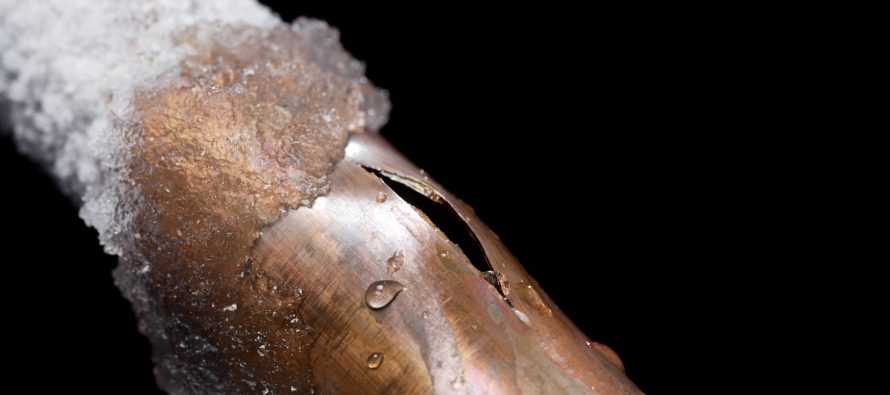
Why Do Pipes Freeze?
Pipes freeze when the water inside them is exposed to temperatures below 32°F. But the freezing process involves more than just cold air touching the pipe; it’s a combination of exposure, insulation, placement, and airflow.
The most common reasons pipes freeze include:
1. Poor Insulation
Pipes that run through unheated or lightly insulated areas such as basements, crawl spaces, attics, garages, and exterior walls are the first to freeze. Without proper insulation, cold air surrounds the pipe, lowering the water’s temperature.
2. Sudden Drops in Temperature
Rapid temperature swings can cause water to freeze quickly, especially if the pipe is already cold.
3. Poor Airflow Around Plumbing
Cabinets, closets, and tight wall spaces can trap cold air around pipes, making them more vulnerable.
4. Exposed Outdoor Plumbing
Hose bibs, sprinkler lines, and exterior faucets freeze easily due to direct exposure to winter temperatures.
What Happens Inside a Pipe When It Freezes?
The freezing process inside a pipe is both simple and destructive.
Water Expands as It Turns to Ice
When water freezes, it expands by roughly 9%. This expansion creates tremendous pressure, far more than most plumbing systems are designed to withstand.
Pressure Builds Between Frozen Sections
Interestingly, pipes don’t usually burst at the frozen spot. Instead, ice creates a blockage, and pressure builds up between the frozen section and the next downstream closed valve or faucet. Once the pressure exceeds the pipe’s capacity, it cracks.
Pipes Can Burst Without Warning
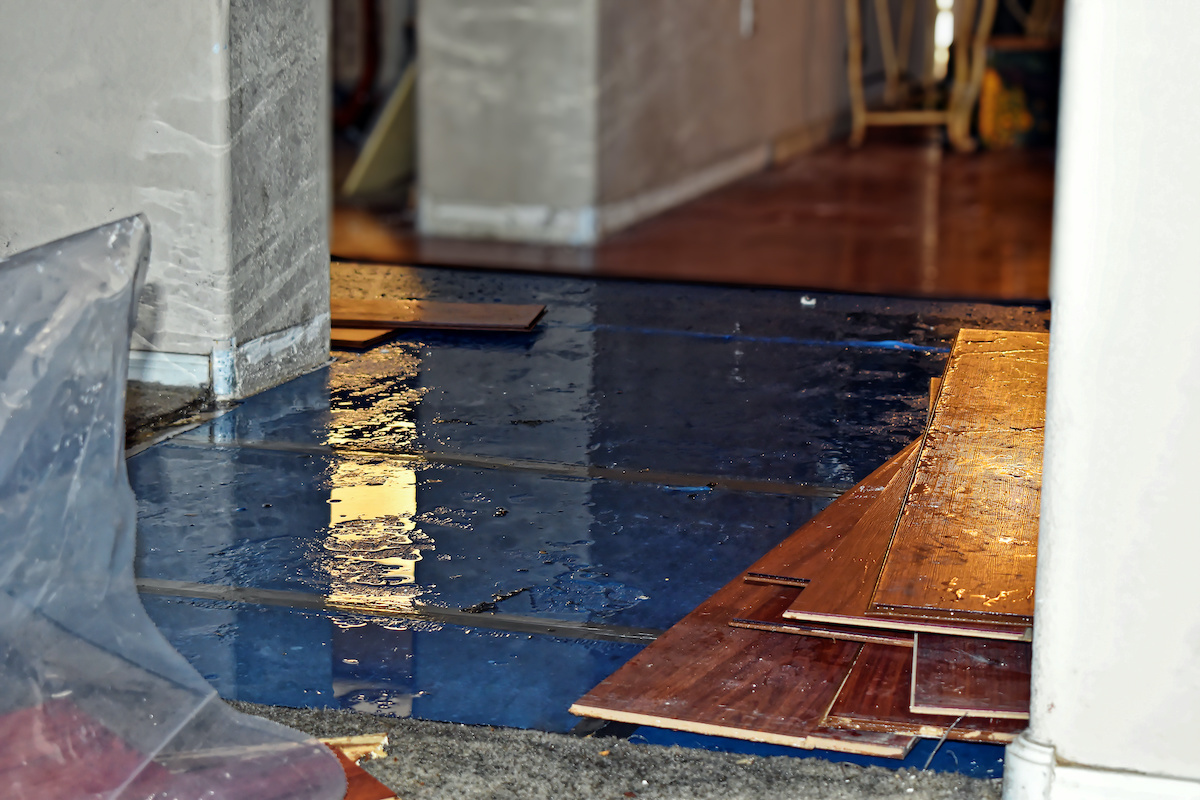
Many homeowners don’t realize their pipes have burst until temperatures rise and the ice begins to thaw. When the water starts flowing again, it escapes through the crack or rupture, flooding surrounding areas.
How Frozen Pipes Cause Water Damage
A burst pipe can release hundreds of gallons of water per hour. This can affect:
- Drywall and ceilings
- Flooring and carpeting
- Insulation
- Electrical systems
- Basements and crawl spaces
- HVAC systems
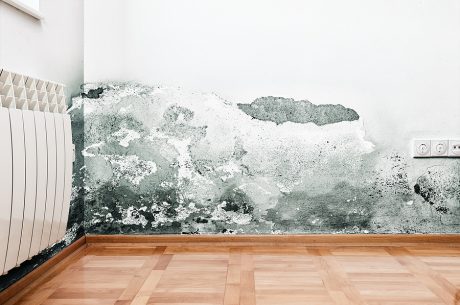
Even small, slow leaks can cause significant long-term damage, including mold growth within 24–48 hours.
Signs a Pipe May Be Frozen or About to Burst
Homeowners should watch for:
- No water or reduced water flow from faucets
- Frost or condensation forming on pipes
- Strange smells are coming from the drains
- Unusual banging or clanking sounds in the walls
- Damp spots, bulging drywall, or discoloration
Early detection can prevent severe damage.
When a frozen pipe bursts, fast action is crucial. PuroClean of East Fort Wayne provides immediate, professional water damage restoration to minimize structural damage and prevent mold growth. We conduct water damage assessments, and our certified technicians use advanced drying equipment, moisture detection tools, and proven restoration methods to:
- Stop and extract water
- Dry affected materials
- Prevent mold growth
- Repair structural damage
- Restore your home safely and efficiently
Our rapid response reduces long-term impact and helps homeowners recover quickly from winter pipe emergencies. Contact PuroClean of East Fort Wayne at (260) 600-8257 for immediate help with water damage restoration.

 PuroClean of East Fort Wayne