 PuroClean of East Fort Wayne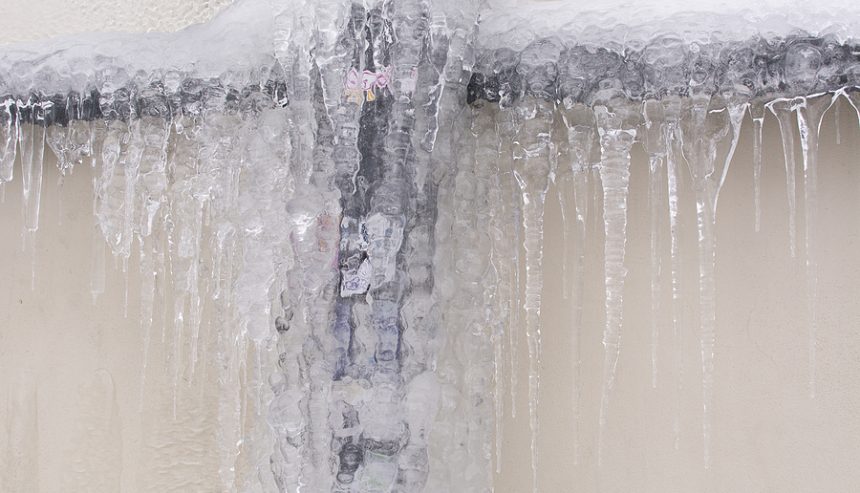
At PuroClean of East Fort Wayne, we frequently respond to Allen County water emergencies caused by cold-weather conditions, many of which could have been prevented with the right precautions. Winter brings freezing temperatures, snow, and ice, but it also brings an increased risk of water damage inside the home. Many homeowners are surprised to learn that winter is actually one of the most dangerous seasons for hidden leaks, flooding, and moisture problems.
Frozen and Burst Pipes
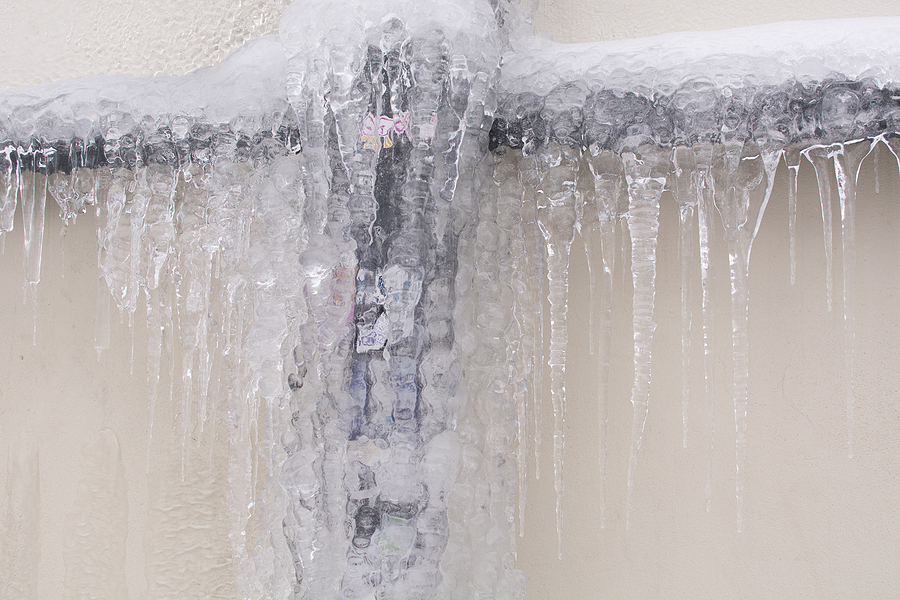
One of the most common causes of winter water damage is frozen plumbing. When water inside a pipe freezes, it expands, creating pressure that can crack or burst the pipe. The damage often isn’t discovered until the ice thaws and water begins pouring into the home.
Pipes most at risk include:
- Lines in unheated basements or crawl spaces
- Pipes near exterior walls
- Attic plumbing
- Outdoor spigots and connected supply lines
A burst pipe can release hundreds of gallons of water in minutes, quickly flooding floors, walls, and belongings.
Ice Dams Causing Interior Leaks
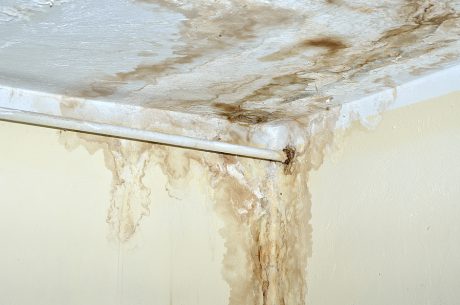
Ice dams form when heat escapes from the roof, melting snow that then refreezes at the edges. Over time, this frozen ridge traps water behind it. With nowhere else to go, the water seeps under shingles and into the home, causing hidden interior damage.
Signs of ice-dam water intrusion include:
- Stained ceilings or walls
- Peeling paint
- Wet insulation
- Dripping around window frames
Left unaddressed, ice dams can lead to mold growth, wood rot, and structural problems.
Condensation and Moisture Buildup
Cold temperatures outside and warm air inside create perfect conditions for condensation, especially in poorly insulated spaces. Moisture commonly forms on:
- Windows
- Exterior doors
- Attics and crawl spaces
- HVAC systems
- Cold wall surfaces
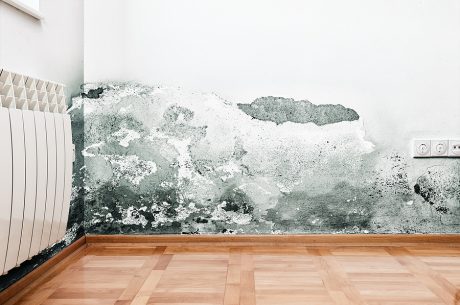
This excess moisture can soak into drywall, flooring, and framing materials. Over time, it may cause mold, warped wood, and musty odors.
Roof Leaks Triggered by Winter Weather
Winter storms are hard on roofing materials. Heavy snow, strong winds, and freeze-thaw cycles can loosen shingles, open gaps, or damage flashing. Even a small gap allows melted snow or ice to drip into the attic or upper floors.
Because these leaks often start slowly, homeowners may not notice the problem until water damage becomes significant.
Appliance Failures During Cold Weather
Winter increases the strain on home appliances. Water heaters work harder, washing machines run more frequently, and older appliances may weaken under the extra load. Hoses can crack, valves can fail, and internal components may freeze in cold spaces like garages or basements.
A single appliance malfunction can release enough water to damage floors, walls, and nearby belongings.
Poor Drainage and Melting Snow
Even though the ground may be frozen, winter thaws and warm days can cause snow to melt rapidly. If water pools around the home’s perimeter, it can seep through foundation cracks or window wells and into the basement.
This type of intrusion is often subtle, but it can lead to persistent moisture issues and mold growth.
Protecting Your Home This Winter
Allen County Homeowners can reduce water damage risks by:
- Insulating exposed plumbing
- Clearing gutters and downspouts
- Sealing drafts around windows and doors
- Inspecting roofing and attic ventilation
- Keeping interior temperatures above 55°F
- Checking appliances and hoses for wear
If water damage occurs, contact PuroClean of East Fort Wayne at (260) 600-8257 as soon as possible. We are available 24/7 to provide emergency water extraction, structural drying, mold prevention, and full restoration services.
 PuroClean of East Fort Wayne