


Imagine waking up, heading downstairs to start the day, and discovering that your basement floor is covered in water. Your storage boxes are soaked, your carpet is squishy, and you have no idea where to begin.
For most homeowners, basement flooding comes as a surprise. However, sometimes the warning signs appear long before water starts to pool on your floor.
A sump pump can help protect your home by collecting excess groundwater and pumping it away from your foundation. When heavy rain puts pressure on your property’s drainage system, that small piece of equipment can make a significant difference.
For homeowners in Edison, understanding how sump pumps work, recognizing the signs of a failing unit, and preparing for periods of heavy rainfall can help reduce the risk of water damage.
Here’s what you should know before the next storm arrives.
Why Should Edison Homeowners Pay Attention to Basement Flooding?
Rain is a normal part of life in New Jersey, but the way rainfall affects your property depends on more than the amount of water falling from the sky.
When rain falls faster than the surrounding ground can absorb it, water begins moving across the surface. Roofs, driveways, sidewalks, parking areas, and other paved surfaces can increase runoff by preventing water from soaking directly into the soil.
In developed communities such as Edison, that runoff can place additional pressure on drainage systems. Water may collect in low-lying areas, flow toward foundations, or find its way through existing cracks and other vulnerable points in a basement.
What does this mean for your home?
Even if your basement has stayed dry for years, it is worth checking whether your drainage system can handle periods of heavy rainfall. Just because your basement has not flooded before does not guarantee that your basement will stay dry during the next major storm.
A sump pump is one part of that protection. However, it needs to be in working order, and your property must also have a way to direct water away from the foundation.
What Does a Sump Pump Actually Do?
If your home has a basement or crawlspace, you may already have a sump pump installed. If you have never needed to think about it, you might not know exactly what it does.
A sump pump is typically installed in a pit at the lowest point of a basement or crawlspace. Water entering the surrounding drainage system collects in this pit. When the water reaches a certain level, a float switch activates the pump, which moves the water through a discharge pipe and away from your home’s foundation.
This process helps prevent groundwater from staying beneath your basement floor or around the foundation.
Sump pumps can be particularly useful for homes that experience recurring groundwater intrusion, have below-ground living spaces, or sit in areas where water collects after heavy rainfall.
However, a sump pump is not a guarantee against every type of flooding. It may not prevent water from entering through basement windows, overflowing drains, plumbing failures, or floodwater entering from outside. The right flood-prevention measures depend on your property’s individual risks.
Why a Working Sump Pump Matters
A functioning sump pump can help homeowners:
- Reduce groundwater accumulation: It removes collected water before it rises high enough to enter the basement.
- Protect stored belongings: Keeping the basement dry helps reduce the risk of damage to furniture, seasonal decorations, electronics, and other possessions.
- Limit damage to building materials: Excess moisture can affect carpeting, drywall, insulation, wood, and other materials.
- Reduce the likelihood of prolonged dampness: Water left behind can contribute to persistent moisture problems and create conditions favorable to mold growth.
If your basement contains a finished living space, laundry area, or home office, the potential consequences of a failed sump pump can extend well beyond a wet floor.
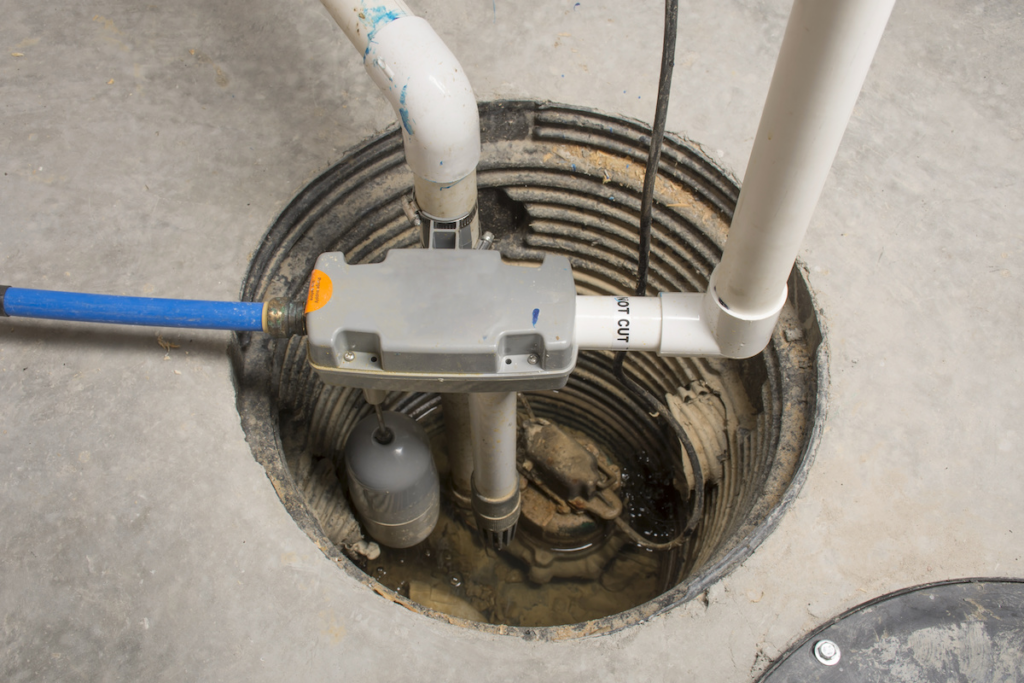
6 Warning Signs Your Sump Pump May Be Failing
A sump pump often works quietly in the background, so it can be easy to forget about it until something goes wrong.
Fortunately, there are several warning signs that may indicate your system needs attention.
1. Your Sump Pump Makes Unusual Noises
Some operating noise is normal. However, grinding, rattling, excessive vibration, or loud humming without the pump moving water may indicate a problem.
Debris, worn components, a damaged motor, or other mechanical issues can interfere with normal operation.
If your sump pump suddenly sounds different, arrange for a qualified professional to inspect it rather than waiting until the next storm.
2. The Pump Runs Constantly
Your sump pump may run more frequently during periods of heavy rain, particularly when groundwater levels rise.
However, a pump that runs continuously even when water levels are low may have a stuck float switch, a drainage problem, or another malfunction. Water may also be flowing back into the pit if the discharge system is not working properly.
Continuous operation can place unnecessary strain on the equipment.
If you notice that the pump rarely shuts off, investigate the cause before the system becomes overwhelmed.
3. The Pump Turns On and Off Too Frequently
Frequent cycling, sometimes called short cycling, occurs when a sump pump repeatedly starts and stops over short periods.
This can happen when the pump is improperly sized, the sump pit is too small, the float switch is malfunctioning, or discharged water is flowing back into the pit.
Repeated cycling can increase wear on the pump’s components and may signal that the system needs adjustment or repair.
4. Water Remains in the Sump Pit
Water in the sump pit is not automatically a problem. The pit is designed to collect water before discharging it.
However, if the water level continues to rise and the pump does not activate, or the pump runs without lowering the water level, something may be wrong.
Possible causes include a failed float switch, a clogged intake, a blocked discharge line, or a malfunctioning motor.
Never reach into a sump pit while the equipment is connected to power. If you suspect an electrical or mechanical fault, contact a qualified professional.
5. You Notice Rust, Corrosion, or Visible Damage
Take a look at the accessible parts of your sump pump system. Rust, damaged wiring, a cracked discharge pipe, or visible deterioration can indicate that maintenance or replacement may be necessary.
A sump pump exposed to moisture over many years can experience wear even if it has not completely stopped working.
If the equipment is aging or showing signs of deterioration, have it evaluated before relying on it during prolonged rainfall.
6. Your Basement Smells Musty or Feels Damp
A musty smell does not automatically mean your sump pump has failed. However, persistent dampness, unexplained moisture, or recurring puddles may indicate that water is entering your basement faster than your current drainage system can manage it.
Check for visible moisture around the foundation, damp flooring, water stains, and condensation.
Because moisture can accumulate behind walls or beneath flooring, the source is not always immediately obvious. If you repeatedly notice dampness despite having a sump pump, a professional assessment can help identify the underlying problem.
How to Prepare Your Sump Pump Before Heavy Rain
You do not have to wait for a flood warning to think about basement protection. A little preparation can help you identify problems before your sump pump is needed most.
Test the System Safely
Follow the manufacturer’s testing instructions to confirm that the pump activates and discharges water properly. Some systems can be tested by carefully adding water to the sump pit, but the correct procedure depends on the equipment.
If you are unsure how to test your unit, ask a qualified plumber or sump pump technician to inspect it.
Check the Discharge Pipe
Your sump pump needs a clear route for moving water away from the home. Inspect accessible portions of the discharge pipe for obvious obstructions or damage, and make sure the outlet is not blocked.
Water should discharge in a way that does not simply send it back toward your foundation. Any required changes to drainage should comply with local requirements.
Consider Backup Power
A sump pump that relies on electricity may stop operating during a power outage, which can occur during severe storms.
Depending on your home’s needs, a battery backup, water-powered backup where appropriate, or another professionally installed backup arrangement may help provide additional protection.
Ask a qualified professional which option is suitable for your system and property.
Maintain Your Gutters and Downspouts
Your sump pump should not have to handle every drainage problem around your home.
Clogged gutters can allow water to spill over near the foundation, while poorly positioned downspouts may concentrate runoff beside basement walls.
Clean gutters regularly and ensure downspouts direct water away from the home in accordance with local requirements.
Keep an Eye on the Basement
After significant rainfall, check your basement for new water stains, damp spots, unusual odors, or changes in the sump pump’s operation.
If you have previously experienced flooding, consider keeping valuable belongings off the floor and storing important items in waterproof containers.
These precautions cannot eliminate every flood risk, but they can help you recognize developing problems and limit potential losses.
What Should You Do If Your Basement Floods?
Even with a well-maintained sump pump, water can still enter your basement. A failed pump, blocked drainage system, overwhelmed infrastructure, or another source of water intrusion can quickly turn a rainy day into a property damage emergency.
If you discover standing water, prioritize safety.
Never walk into a flooded basement if electrical outlets, appliances, extension cords, or other electrical equipment may be submerged. Do not touch a sump pump or attempt to operate electrical equipment while standing in water. Contact emergency services if there is an immediate danger, and have a qualified electrician assess electrical hazards before entering an affected area.
Once it is safe to proceed, document visible damage for your insurance provider and contact your insurer to understand the next steps.
It is also important to address the water promptly. Standing water can damage flooring, drywall, insulation, furniture, and stored belongings. Moisture that remains in building materials can contribute to further deterioration and mold growth.
Basement Water Damage in Edison? PuroClean Emergency Restoration Is Here to Help
A sump pump can play an important role in protecting your basement, but it cannot prevent every water emergency. When water makes its way into your home, knowing whom to call can make the recovery process less overwhelming.
PuroClean of Edison helps homeowners respond to water damage emergencies with our expert water damage restoration services. If your basement has flooded, your sump pump has failed, or heavy rainfall has left your home with unwanted water, professional restoration services can help you address the damage and begin the recovery process.
Is your basement showing signs of water damage? Contact PuroClean of Edison at (732) 986-9009 to discuss your property’s restoration needs. Our IICRC-certified team can help you understand the next steps. The Institute of Inspection, Cleaning and Restoration Certification (IICRC) provides general information about professional restoration standards.
