


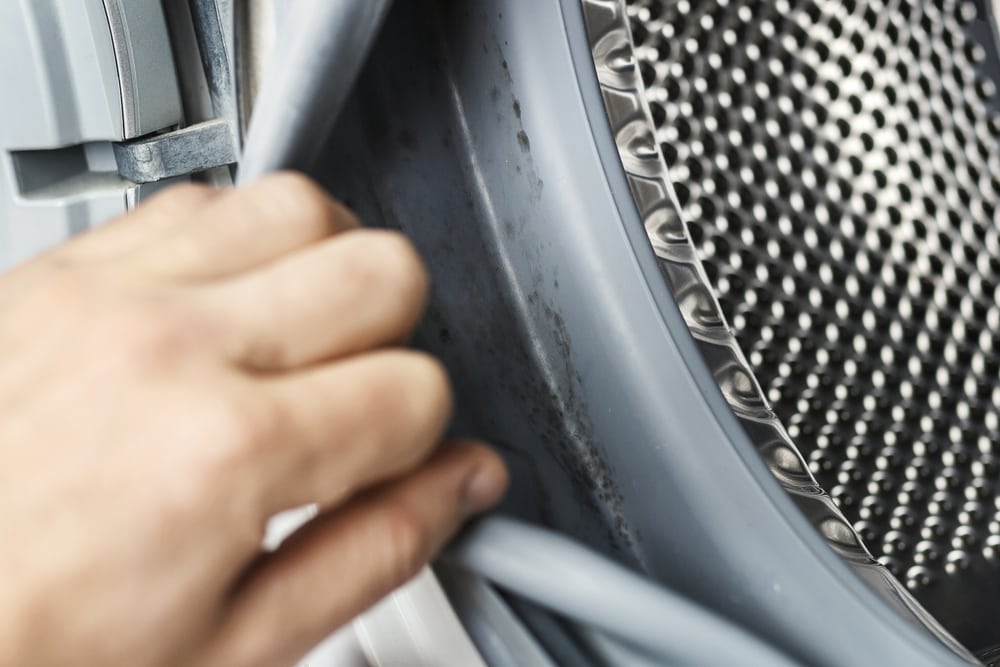
In the realm of household appliances, the washing machine stands as an unsung hero, diligently tackling loads of laundry day in and day out. Yet, amidst its relentless efforts, lurks a hidden threat: mold. A lot of damage can happen when you do not remove mold from washing machines.
A mold-infested washing machine not only compromises its efficiency but also poses a significant risk to our health and well-being. Mold thrives in damp, dark environments, making the interior of a washing machine an ideal breeding ground. Left unchecked, mold can proliferate and spread, leading to foul odors, staining of clothing, and potential damage to the appliance itself.
Overview of Potential Health Risks:
The presence of mold in washing machines poses a myriad of health risks to household members. Mold spores released during the washing process can become airborne, leading to respiratory issues such as coughing, wheezing, and exacerbation of asthma symptoms. In addition, contact with mold-contaminated laundry can cause skin irritation and allergic reactions, further underscoring the importance of maintaining a mold-free environment within our laundry appliances.
Washing machine mold, which is typically found on the rubber gasket of front-loading machines, is a common household problem. This kind of mold is caused by neglecting to clean the machine and/or using it improperly. But don’t worry. In this article, you’re going to learn how to remove mold from washing machines.
Just because a washing machine cleans laundry, this doesn’t mean it cleans itself. Mold feeds on the moisture and detergent residue that the machine produces. With this in mind, here’s how to remove mold from washing machines and how to prevent it.
Signs of Mold in Washing Machines
Mold is a silent intruder, often lurking unnoticed until its presence becomes unmistakable. In this section, we’ll explore the telltale signs that your washing machine may be harboring mold and delve into the underlying causes of its growth.
Recognizing Common Indicators of Mold Infestation:
- Musty Odors: One of the most common signs of mold in washing machines is a persistent musty or mildew-like smell that emanates from the appliance, especially after a wash cycle.
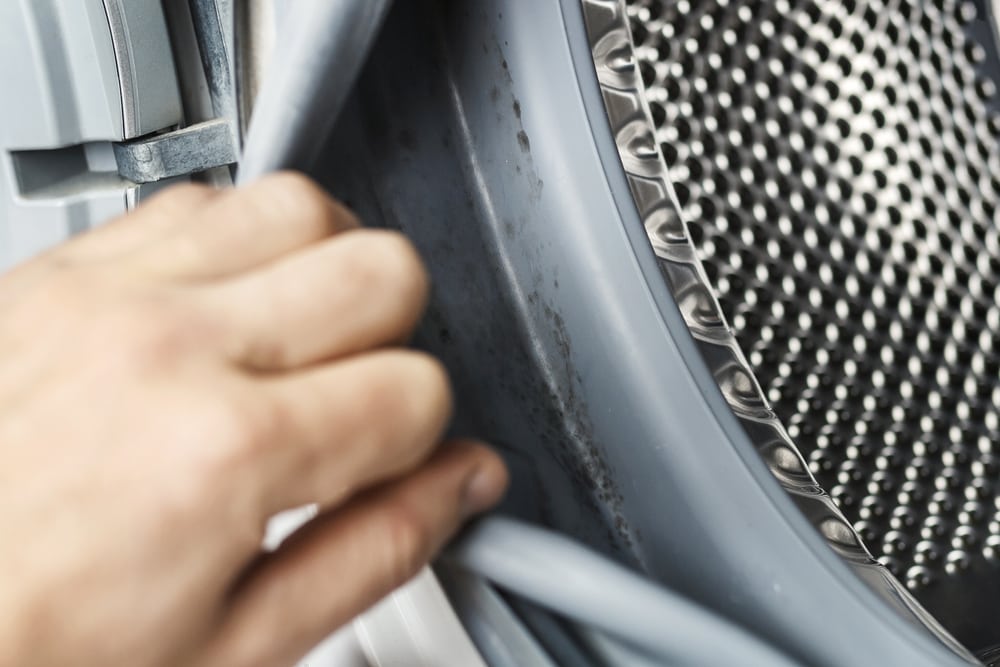
- Visible Mold Growth: Inspect the interior of the washing machine, particularly the rubber door gasket, detergent dispenser, and drum, for any signs of mold or mildew growth. Mold may appear as black or greenish-brown spots or patches.
Understanding the Causes of Mold Growth:
- Excess Moisture: Washing machines create a humid environment ideal for mold growth, especially if moisture is allowed to accumulate within the appliance between wash cycles.
- Organic Residue Buildup: Residual detergent, fabric softener, and lint can accumulate in hard-to-reach areas of the washing machine, providing a food source for mold and bacteria to thrive.
By being vigilant and attentive to these signs, you can catch mold infestations early and take proactive steps to address them before they worsen.
5 Powerful Tips to Remove Mold from Washing Machines
No one wants to think about mold lurking in their washing machine, the very appliance designed to clean our clothes. However, mold thrives in damp environments, and washing machines with trapped moisture can become breeding grounds for these unwelcome guests. But with the right approach, you can effectively remove mold from your washing machine and prevent it from returning.
Tip #1: Identify the Mold and Assess the Situation
Not all black spots in your washing machine are mold. However, if you see fuzzy patches, especially around the gasket (rubber seal around the door), detergent dispenser, or bleach dispenser, it’s likely mold. A musty odor emanating from the machine is another telltale sign. Mold from washing machine growth can also cause respiratory problems and allergies, so addressing it promptly is crucial.
Tip #2: Use Vinegar and Baking Soda
These natural cleaning powerhouses are a safe and effective way to tackle mold from washing machine growth. Here’s how to put them to work:
- Vinegar Solution: Pour 2 cups of white vinegar into the detergent dispenser. Run a hot water wash cycle on an empty machine. Vinegar’s natural acidity works wonders at dissolving mold and killing spores.
- Baking Soda Scrub: After the vinegar cycle, sprinkle baking soda on a damp cloth and scrub any visible mold spots. Baking soda is a mild abrasive that helps loosen mold and deodorize the machine.
Tip #3: Don’t Forget the Gasket!
The gasket is a prime location for mold from washing machine growth. Pull back the gasket and inspect it thoroughly. Use an old toothbrush dipped in the vinegar solution or baking soda paste to clean any moldy areas. Rinse the gasket with clean water and leave the door open to allow it to air dry completely.
Tip #4: Hot Water Cycle
Once you’ve tackled the initial mold removal, incorporate a hot water cleaning cycle into your monthly routine. Run the hottest water cycle available (usually the sanitize cycle) with an empty washer. The high heat helps kill any lingering mold spores and prevents them from returning.
Tip #5: Promote Airflow and Prevent Future Growth
Moisture is mold’s best friend. Here’s how to prevent mold from washing machine from returning:
- Leave the Door Open: Don’t leave the washing machine door shut when it’s not in use. This allows moisture to evaporate and prevents a damp environment.
- Wipe Down the Seal: After every wash cycle, use a dry cloth to wipe down the gasket. This removes any lingering moisture that could promote mold growth.
- Clean the Detergent Dispenser: Mold can also build up in the detergent dispenser. Remove the dispenser regularly and clean it thoroughly with warm, soapy water. Rinse and dry it completely before reinstalling it.
Following these tips will help you keep mold from washing machine and ensure your appliance stays clean and fresh. Remember, a clean washing machine not only means cleaner clothes but also a healthier and more pleasant laundry experience.
Bonus Tip: For heavily mold-infested washing machines, consider professional cleaning services. Restoration companies can provide deep cleaning and sanitization to ensure your machine is thoroughly mold-free.
How to Prevent Mold from Washing Machines
- Use only the right detergent. If you have a High-Efficiency (HE) washer, use High-Efficiency detergent. Non-HE detergent leaves behind too many suds that promote mold growth. Use only the recommended amount of detergent for the same reason.
- Leave the door open after each wash to allow moisture inside the machine to escape. Doing so prevents the formation of a damp environment in which mold can grow.
- Remove wet clothes immediately after a wash. Not only does this prevent moisture and mold buildup, but it also prevents your clothes from smelling musty.
- Wipe the door gasket with your mildew cleaner regularly. Do so at least once a week to eliminate moisture and detergent residue that promotes mold growth.
- Use a dehumidifier where you keep the washer if the area is humid. Humidity from outside the machine may contribute to the mold inside it, so make sure to fix the water or humidity problem. Set up a dehumidifier in the room.
For water damage restoration, contact the PuroClean experts!
Follow these tips on how to remove mold from washing machines to eliminate the health risks associated with mold in your home. But, besides mold growth, washing machines are prone to other problems like overflowing. Learn what to do if your washing machine overflows. Take a look at how to prevent water damage from other appliances as well.
Even with all measures in places, water damage from washing machines can still occur. If that happens to you, know that PuroClean is ready to come to your property’s rescue. For flood water damage repair and water removal services, contact our PuroClean office.
Reviews on Google Instagram LinkedIn Facebook Twitter